
Choosing the right RFID tunnel is a critical decision for companies looking to improve inventory accuracy, automate logistics processes, and gain real-time visibility across their supply chain. While RFID technology has become a key enabler of warehouse automation, not every RFID tunnel is designed for the same operational requirements.
The right RFID tunnel depends on several factors, including throughput, product characteristics, packaging materials, available space, and integration requirements. Selecting a solution that matches your operational needs can help increase efficiency, reduce errors, and support future growth.
In this guide, we’ll explain how to choose the right RFID tunnel for your business and the key criteria that should influence your decision.
The Real Challenge: Losing Traceability in High-Volume Intralogistics Flows
Before selecting the right RFID tunnel, it is important to understand the operational challenges that warehouses face every day.
As product volumes increase, maintaining accurate visibility of goods moving through receiving, storage, picking, packing, and shipping processes becomes increasingly difficult. Manual verification processes often create bottlenecks, generate inventory discrepancies, and limit real-time visibility.
Common challenges include:
- Inventory inaccuracies between physical stock and system records.
- Delays in receiving and shipping operations.
- Increased labour costs associated with manual verification.
- Limited visibility of product movements.
- Operational inefficiencies caused by rework and error correction.
Without the right technology in place, these issues can negatively impact customer satisfaction, productivity, and profitability.
Industries Where This Challenge Is Most Critical
- Retail & Fashion. Large SKU volumes and omnichannel fulfilment demand accurate inventory visibility at all times.
- Pharmaceuticals & Healthcare. Strict traceability requirements make accurate identification and validation essential.
- Third-Party Logistics (3PL). Managing inventory for multiple clients requires fast and reliable verification processes.
- Food & Beverage. High product volumes and traceability requirements increase the need for automated identification.
- Automotive. Complex supply chains and just-in-time operations require precise material flow tracking.
Why Manual Processes and Barcodes Are Not Enough
Many warehouses still rely on barcode systems and manual verification processes. While these technologies can support basic inventory management, they often struggle to meet the speed and accuracy requirements of modern logistics operations.
Barcode technology requires direct line of sight and individual item scanning, creating operational limitations in high-volume environments. As throughput increases, these constraints can reduce efficiency and increase labour costs.
RFID technology overcomes these limitations by enabling multiple tagged items to be identified simultaneously without requiring direct visibility of every label.
Barcode Limitations in High-Volume Operations
- Requires direct line of sight.
- Products must be scanned individually.
- High dependence on operator intervention.
- Labels can become damaged or unreadable.
- Slower processing speeds compared to RFID systems.
- Limited automation capabilities.
What Is an RFID Tunnel and How Does It Solve These Challenges?
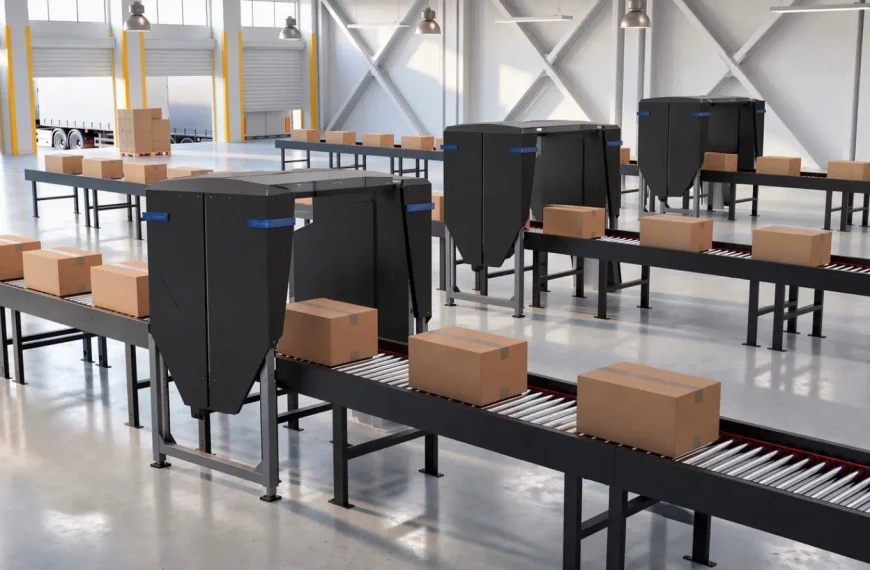
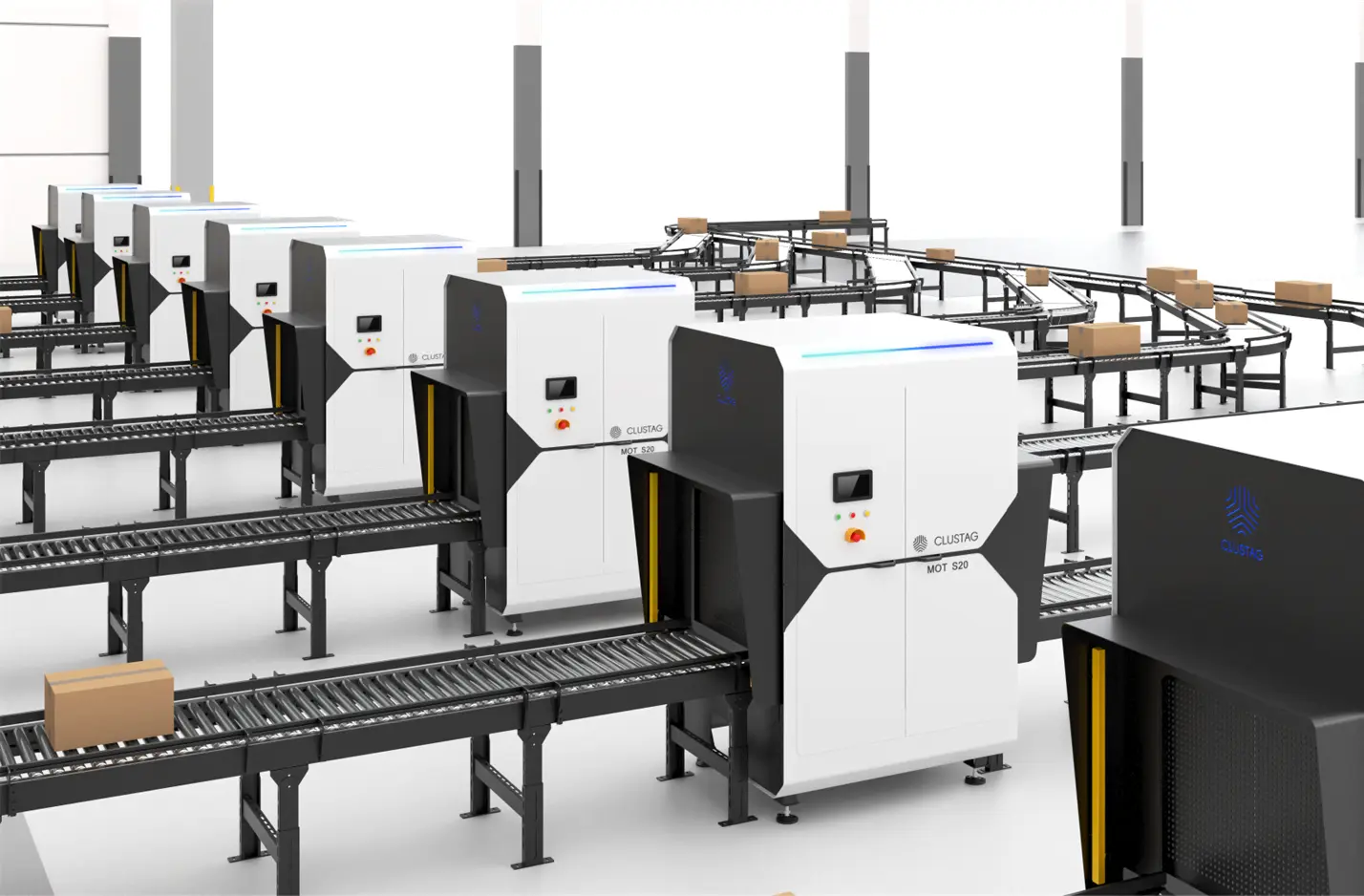
An RFID tunnel is an automated identification system designed to read RFID tags as products move through a controlled reading area. Installed on conveyor lines or logistics workflows, RFID tunnels automatically capture product information without interrupting the movement of goods.
By reading multiple RFID tags simultaneously, an RFID tunnel allows companies to:
- Improve inventory accuracy.
- Eliminate manual scanning tasks.
- Increase operational throughput.
- Validate shipments automatically.
- Reduce operational costs.
- Gain real-time visibility of stock movements.
Implementing the right RFID tunnel helps businesses create faster, more accurate, and scalable logistics processes. As a privder of Smart RFID Solutions, Clustag helps helps companies automate inventory control, shipment verification, and product traceability through tailored RFID tunnel deployments.
Contact us to learn more about our cutting-edge RFID solutions and how they can benefit your business.