Category: News

  • RAIN in Action Key Takeaways from Retailers Leaders

    RAIN in Action Key Takeaways from Retailers Leaders

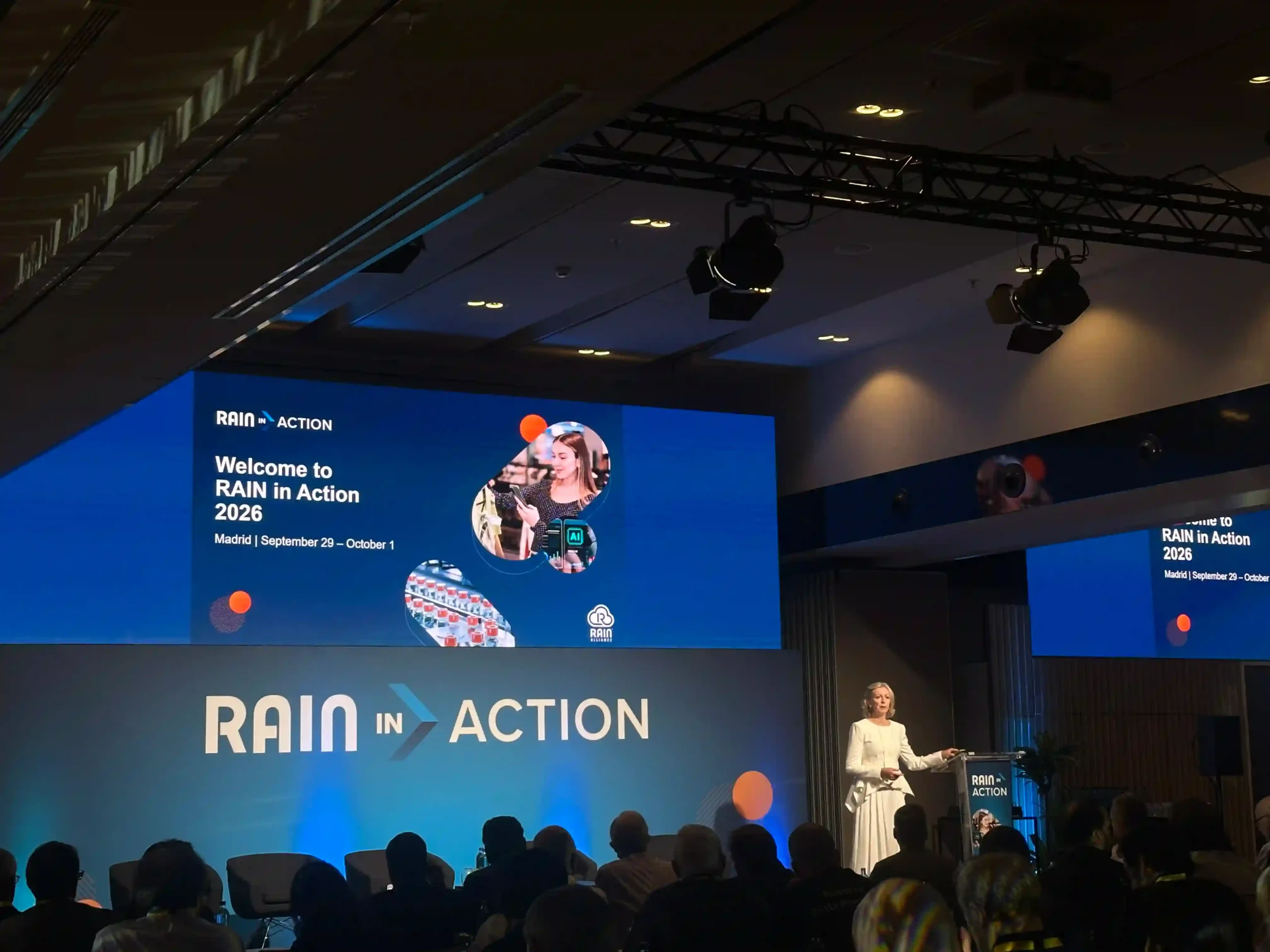
    RAIN in Action 2026 confirmed that the conversation around RFID has moved far beyond inventory visibility. Throughout the event, leading organizations including VF Corporation, UPS, Inditex, Amazon, IKEA and JD Sports shared how they are using RAIN RFID to improve operations, automate decisions and create more connected retail and logistics ecosystems.

    Although each company presented a different use case, a common theme emerged across every session. RFID is evolving from a technology focused on identification into an infrastructure capable of supporting automation, operational intelligence and real-time decision-making.

    From our perspective at Clustag, this evolution is particularly relevant because it highlights a challenge we encounter daily across both retail environments and intralogistics operations: the value of RFID does not depend solely on reading tags. It depends on ensuring that every reading generates reliable, contextualized and actionable data.

    The future of RFID is not simply identifying products. It is enabling trusted operational decisions based on real-world events.

    What RAIN in Action 2026 revealed about the future of RAIN RFID

    The companies presenting at RAIN in Action were addressing different operational challenges, but all were moving toward the same goal: making physical processes more visible and digitally actionable.

    End-to-end inventory visibility based on reliable data

    VF Corporation demonstrated how RFID can connect inventory information across multiple stages of the supply chain.

    The company highlighted the importance of maintaining a consistent product identity from origin to distribution centers and stores. Achieving visibility across the entire network requires more than deploying additional readers. It requires consistency in the way information is captured and interpreted throughout the supply chain.

    From our experience, this becomes particularly relevant in intralogistics environments where receiving processes, shipment validation and inventory control depend on reliable RFID data capture.

    From scanning events to automated decisions

    UPS presented its transition from a traditional scanning network toward a sensing and responding network.

    This approach reflects an important shift. The objective is no longer simply recording that an asset has passed through a location. Instead, RFID events become triggers for operational actions and automated decisions.

    As automation increases, controlling the reading environment becomes critical. Reading accuracy alone is not enough. Organizations must also ensure that only the tags associated with a specific operational process are captured and validated.

    RFID becoming part of store operations

    Inditex offered one of the clearest examples of RFID maturity within retail.

    The company showed how a single product identity can support inventory management, replenishment, product location, customer service and loss prevention throughout the store.

    This demonstrates that RFID is no longer an isolated project. Instead, it becomes embedded within day-to-day retail operations.

    How RAIN RFID is transforming both in-store and intralogistics operations

    One of the most valuable lessons from RAIN in Action is that RFID is creating opportunities across both customer-facing retail processes and logistics operations.

    In-store RFID is driving operational efficiency and customer experience

    Amazon demonstrated how RFID can contribute directly to frictionless shopping experiences.

    The combination of RFID and artificial intelligence shows that different technologies can complement one another depending on the challenge being addressed. RFID provides unique product identity, while computer vision can contribute additional contextual information.

    For in-store environments, precision becomes essential because inaccuracies impact not only internal processes but also customer trust.

    Intralogistics RFID requires different reading strategies

    IKEA shared an approach focused on pallet-level identification rather than item-level tracking.

    This is a significant reminder that RFID projects should always start with the operational objective. Different assets require different identification strategies.

    Pallet validation, warehouse inventory automation and location tracking present challenges related to tag density, materials, orientation and movement. These conditions are very different from those found in retail stores.

    One technology, multiple operational contexts

    A recurring message throughout the event was that RFID deployments cannot follow a one-size-fits-all model.

    A warehouse portal, a store entrance, a checkout area, a validation station and a fitting room all present distinct physical conditions.

    Organizations that successfully scale RFID understand that each environment requires a tailored reading strategy aligned with a specific operational objective.

    What retailers are learning about inventory confidence

    JD Sports introduced a concept that appeared repeatedly throughout several sessions: moving from inventory accuracy to inventory confidence.

    Accuracy alone is no longer enough

    Having an accurate inventory snapshot is valuable, but businesses increasingly need something more important.

    They must be confident enough in the data to:

    • Promise product availability to customers
    • Trigger replenishment processes
    • Validate shipments
    • Automate inventory decisions
    • Support omnichannel operations

    When businesses trust the information they receive, RFID evolves from a visibility tool into a business infrastructure.

    Product identity continues creating value beyond inventory

    JD Sports also highlighted how product identity can support additional initiatives related to authentication, resale and sustainability.

    This demonstrates how a single RFID-enabled identity can continue generating value throughout the product lifecycle.

    Common lessons from VF Corporation, UPS, Inditex, Amazon, IKEA and JD Sports

    Despite their different priorities, the companies at RAIN in Action shared several common themes.

    CompanyMain challengeKey learning
    VF CorporationEnd-to-end visibilityReliable product identity across the supply chain
    UPSOperational automationRFID events must trigger trusted decisions
    InditexStore operationsRFID becomes part of everyday retail processes
    AmazonFrictionless shoppingAccuracy is fundamental for customer-facing applications
    IKEAPallet identificationRFID architecture must match operational objectives
    JD SportsInventory confidenceTrusted data enables business automation

    The pattern behind all these initiatives can be summarized as:

    Identity → Reliable reading → Context → Decision → Action

    This progression illustrates how RFID maturity is evolving across industries.

    Why reliable RFID data remains the foundation of automation

    As organizations increase the level of automation within retail and logistics operations, the quality of RFID data becomes increasingly important.

    Reading RFID is different from automating with RFID

    The event clearly showed that successful RFID projects require more than detecting tags.

    Organizations must answer key operational questions:

    • What products should be identified?
    • Where should readings occur?
    • Which tags belong to the process?
    • How should exceptions be handled?
    • What business action should be triggered?

    The answer to these questions determines whether RFID generates operational value.

    Reliable data enables scalable RFID deployments

    One lesson was repeated across multiple presentations: scaling RFID successfully depends on trust in the data being captured.

    Whether the objective is retail inventory visibility, automated logistics workflows, checkout experiences or pallet management, the ability to make decisions depends on confidence in the underlying RFID events.

    The more automated the decision, the more reliable, controlled and contextualized the RFID reading must be.

    Final thoughts from RAIN in Action 2026

    The strongest takeaway from RAIN in Action 2026 is that RAIN RFID is rapidly evolving from an identification technology into an automation infrastructure.

    VF Corporation focused on visibility. UPS focused on automated responses. Inditex embedded RFID into store operations. Amazon connected RFID to customer experiences. IKEA applied RFID to large-scale logistics environments. JD Sports emphasized confidence in product identity.

    Although their objectives differ, they are all moving toward the same destination: making physical operations more visible, more interpretable and more actionable through digital technologies.

    At Clustag, our experience across both in-store retail environments and intralogistics operations reinforces this same conclusion. The organizations generating the greatest value from RFID are those that focus not only on reading tags, but on transforming every RFID event into reliable operational intelligence.
  • COS Tunnel Simplifies RFID Deployment

    COS Tunnel Simplifies RFID Deployment

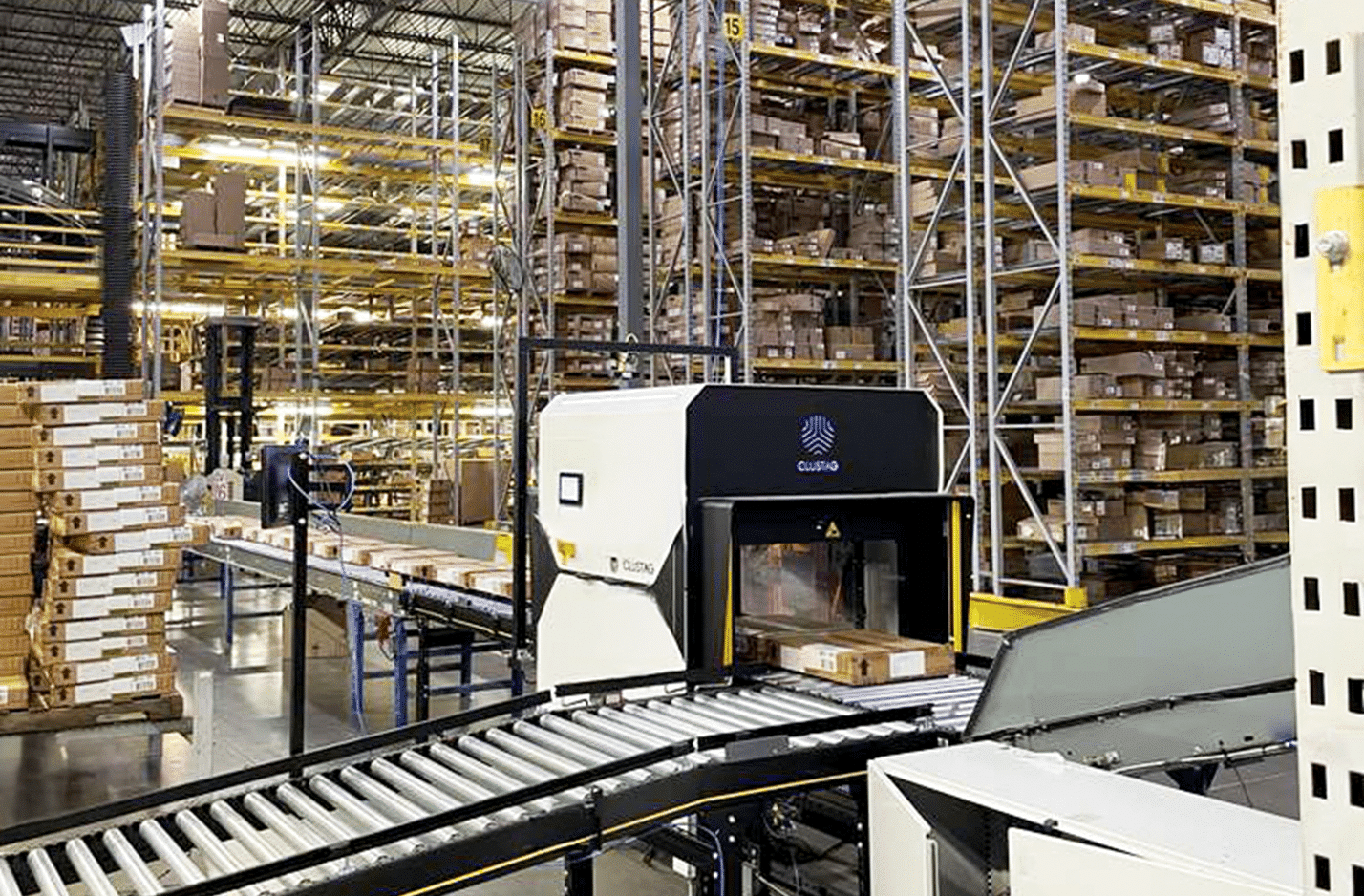
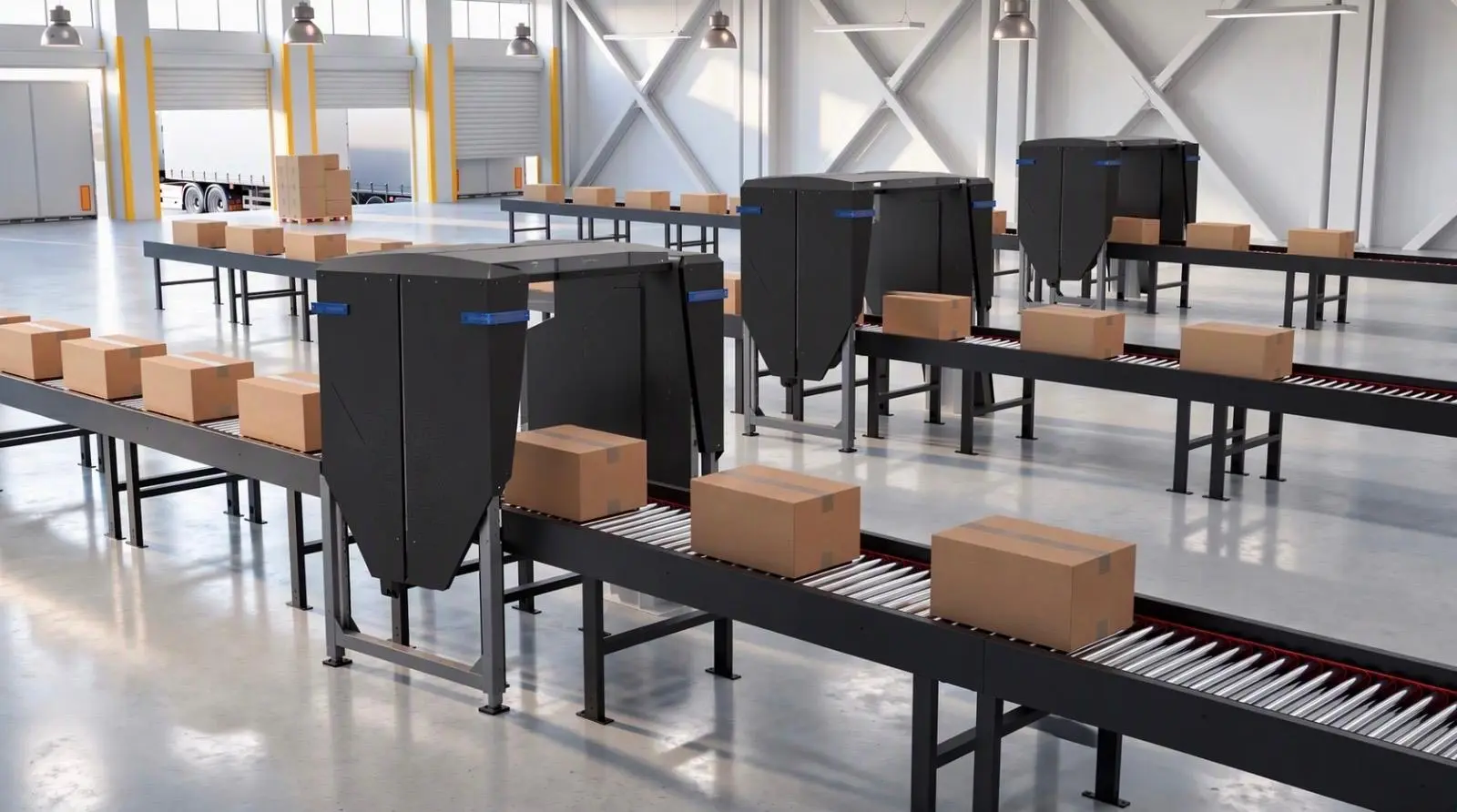
    COS Tunnel expands the Clustag RFID portfolio with a flexible RFID tunnel designed to integrate directly over existing conveyor systems. It enables automated verification of boxes, parcels and bags while minimising infrastructure changes, reducing installation time and accelerating RFID adoption across intralogistics operations.

    As distribution centres continue to look for faster and more agile ways to deploy RFID technology, COS Tunnel provides a practical solution for facilities where operational continuity, rapid deployment and seamless integration are essential.

    COS Tunnel is designed for projects where flexibility, rapid integration and minimal impact on infrastructure are the deciding factors- says Manolo Reguart, CEO of Clustag.

    Why COS Tunnel is changing RFID deployment

    Many intralogistics operations want to automate verification processes without redesigning conveyor lines or interrupting day-to-day activity.

    COS Tunnel addresses this challenge through an open architecture that integrates directly over existing conveyors. This approach allows companies to implement RFID technology faster while avoiding major modifications to their facilities.

    COS Tunnel reduces installation complexity

    The traditional RFID projects often require structural adaptations that increase deployment time and project costs.

    RFID Tunnel simplifies installation because the solution adapts to the conveyor instead of forcing the operation to adapt to the RFID system. As a result, companies can accelerate project execution and start generating value more quickly.

    COS Tunnel adapts to existing intralogistics environments

    This RFID solution is configurable in width, height and operating layout, allowing it to fit different conveyor configurations and operational requirements.

    This flexibility makes COS Tunnel especially attractive for brownfield facilities where maintaining productivity during implementation is a key requirement.

    How COS Tunnel improves RFID verification

    Beyond deployment flexibility, COS Tunnel incorporates technology specifically designed to deliver reliable RFID performance in real intralogistics environments.

    The system includes an innovative RFID wave emission and reading-zone control technology developed by Clustag’s R&D team. This approach concentrates RFID reads within the parcel transit area, improving process reliability and ensuring accurate verification performance.

    COS Tunnel adapts to real operational conditions

    Every intralogistics operation presents different challenges.

    RFID Tunnel is configured according to:

    • Conveyor speed
    • Parcel density
    • Distance between packages
    • Environmental conditions
    • Process requirements

    This allows the solution to deliver performance tailored to the specific needs of each installation rather than relying on a one-size-fits-all approach. [COS Tunnel_EN.docx | Word]

    COS Tunnel and Zentup integration

    Capturing RFID data is only part of the process. The true value comes from transforming that information into operational intelligence.

    RFIDTunnel connects with business systems through the ZENTUP data capture platform, enabling seamless integration with:

    • WMS
    • ERP
    • WCS
    • WES

    This software integration layer ensures that RFID events become actionable data that improves visibility, traceability and decision-making across the supply chain.

    Why Zentup enhances COS Tunnel performance

    By connecting RFID data directly with operational systems, Zentup helps organisations automate workflows and manage information in real time.

    The result is a more connected, more efficient and more intelligent intralogistics operation.

    Where COS Tunnel delivers value

    COS Tunnel is designed for intralogistics processes where rapid implementation and infrastructure adaptability are essential.

    Inbound verification

    This RFID Solution automatically verifies incoming goods, helping organisations increase inventory visibility and improve receiving processes.

    Outbound verification

    Before shipments leave the facility, COS Tunnel validates parcels and lintraogistics units to support order accuracy and operational efficiency.

    Ecommerce fulfilment

    High-volume ecommerce operations benefit from automated verification processes that support faster and more scalable order preparation.

    Brownfield intralogistics projects

    This RFID Tunnel is particularly suited to existing facilities where avoiding conveyor shutdowns and major infrastructure modifications is a critical project requirement.

    COS Tunnel expands Clustag’s RFID portfolio

    COS Tunnel complements the existing Clustag RFID solutions portfolio by offering a solution focused on flexibility and rapid deployment.

    COS Tunnel does not replace MOT Station. Each solution addresses a different operational priority- says Manolo Reguart. COS excels where flexibility and rapid deployment are decisive, while MOT Station remains the benchmark for maximum accuracy and controlled RFID environments

    This approach allows organisations to select the RFID solution that best matches their operational objectives, infrastructure conditions and deployment strategy

    Frequently asked questions

  • Clustag at Logistics & Automation Madrid 2026

    Clustag at Logistics & Automation Madrid 2026

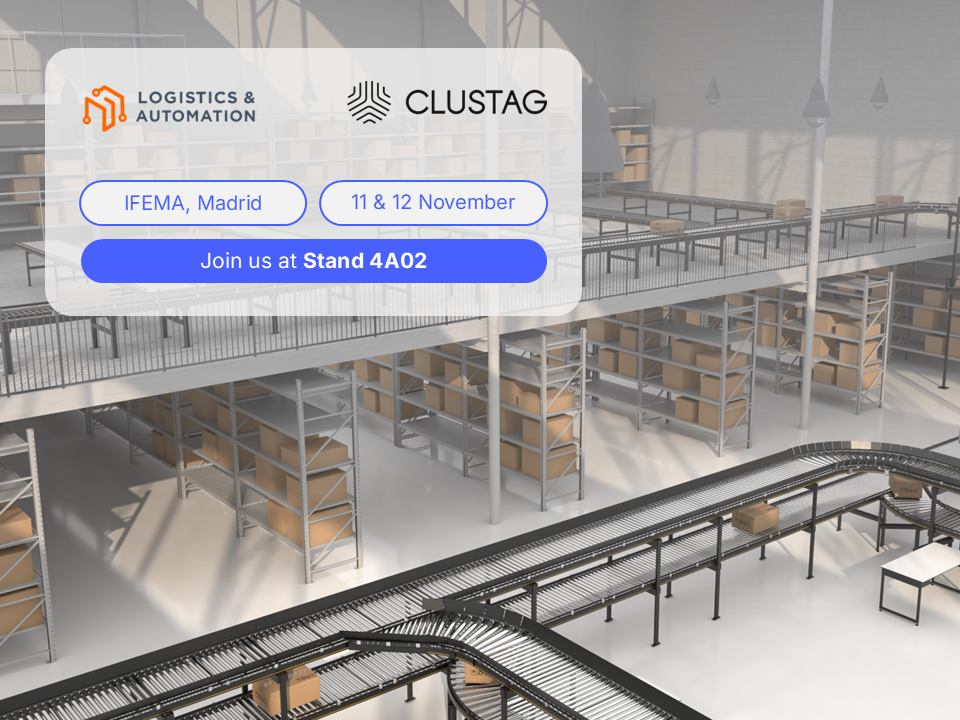
    Logistics & Automation Madrid 2026 is where the future of intralogistics takes shape, and this year, we are excited to announce that Clustag will be exhibiting at Stand 4A02 on 11-12 November at IFEMA Madrid. The event is one of the leading gatherings for logistics, automation, warehousing and supply chain professionals looking to improve efficiency, scalability and operational performance.

    Across Europe, warehouses and distribution centers are facing increasing pressure to process more orders, reduce costs and respond faster to customer expectations. At the same time, labor shortages, operational bottlenecks, limited visibility and growing complexity continue to challenge logistics teams.

    The question is no longer whether companies should automate.

    The real challenge is how to build smarter, more connected and more efficient intralogistics operations that can scale sustainably.

    At Clustag, we believe the answer lies in combining automation, intelligent transport systems, RFID technology and real-time data intelligence into a single connected ecosystem.

    Discovering the Clustag Intralogistics Automation Ecosystem

    At Logistics & Automation Madrid 2026, we will demonstrate how our technologies work together to help organizations improve productivity, traceability, operational efficiency and order accuracy while preparing their operations for future growth.

    Visitors to our stand will be able to explore practical solutions designed for real warehouse environments rather than isolated technologies.

    Building automation around operational needs

    Every logistics operation faces unique challenges. Warehouse layouts, throughput requirements, product characteristics and future expansion plans all influence the success of an automation project. That is why we design solutions that adapt to operational realities rather than forcing businesses to adapt to technology.

    Our automation solutions help organizations:

    • Increase throughput capacity
    • Eliminate repetitive manual activities
    • Reduce operational bottlenecks
    • Optimize internal material flow
    • Improve overall productivity

    From goods receiving to shipping, automation becomes a strategic enabler of sustainable growth.

    Creating connected material flows with conveyor systems

    Automation is only effective when products move efficiently throughout the facility. Our conveyor and internal transport systems are designed to connect warehouse processes and reduce unnecessary handling between operational areas.

    By integrating transport systems with warehouse automation, businesses can:

    • Accelerate order fulfillment
    • Improve process continuity
    • Reduce manual movements
    • Enhance operational efficiency
    • Develop scalable logistics workflows

    These systems provide the foundation for a warehouse that operates smoothly even as demand increases.

    How RFID technology strengthens warehouse automation

    Automation performs best when supported by accurate, real-time data.

    This is where RFID solutions become a critical component of modern intralogistics operations.

    Improving visibility across warehouse processes

    RFID enables automatic identification without manual scanning, allowing organizations to track products and assets in real time.

    Applications include:

    • Inventory management
    • Receiving validation
    • Shipping verification
    • Returns processing
    • Asset traceability

    Using Clustag RFID Solutions, companies can automate data capture at critical control points while improving operational visibility and reducing manual intervention.

    Automated labeling for greater order accuracy

    Accurate product identification remains fundamental to warehouse performance.

    At Logistics & Automation Madrid, visitors will be able to discover automated Print & Apply technologies designed to ensure fast, consistent and traceable labeling processes.

    Why automated labeling matters

    Manual labeling processes often become sources of error, delays and traceability issues.

    Automated labeling solutions help organizations achieve:

    • Reduced manual intervention
    • Improved shipment accuracy
    • Consistent label quality
    • Higher throughput rates
    • Full product traceability

    Following the integration of advanced labeling capabilities into our portfolio, Clustag now provides a more comprehensive approach to end-to-end logistics traceability.

    Common warehouse challenges and how Clustag addresses them

    Warehouse challengeClustag solutionBusiness benefit
    Labor shortagesAutomation systemsReduced manual workload
    Manual material handlingConveyor systemsImproved productivity
    Limited operational visibilityRFID technologyReal-time traceability
    Shipping errorsAutomated labelingImproved order accuracy
    Growth without scalabilityIntegrated automation ecosystemSustainable expansion

    Real projects and practical conversations

    Trade shows are about more than technology. They are opportunities to discuss real operational challenges and explore practical ways to improve logistics performance. Throughout the event, our specialists will be available to share insights from intralogistics projects across multiple industries and discuss how automation, RFID and intelligent transport systems can support specific operational goals.

    Whether you are planning a warehouse transformation, expanding your distribution capacity or evaluating new technologies, our team will be ready to help.

    Meet us at Logistics & Automation Madrid 2026

    On 11-12 November 2026, we will welcome logistics, supply chain and warehouse professionals at Stand 4A02, IFEMA Madrid. Come and discover how automation, conveyor systems, automated labeling, RFID technologies and data intelligence can work together to create more productive, connected and scalable warehouse operations.

    We also invite you to visit our Customer Experience Center, where you can test solutions with your own products and explore real-world RFID and automation applications in a live environment. Contact our team through the Clustag website or schedule a visit to our Customer Experience Center to experience the future of intralogistics firsthand.

  • Picking Errors: The Invisible Enemy of Your Profitability

    Picking Errors: The Invisible Enemy of Your Profitability

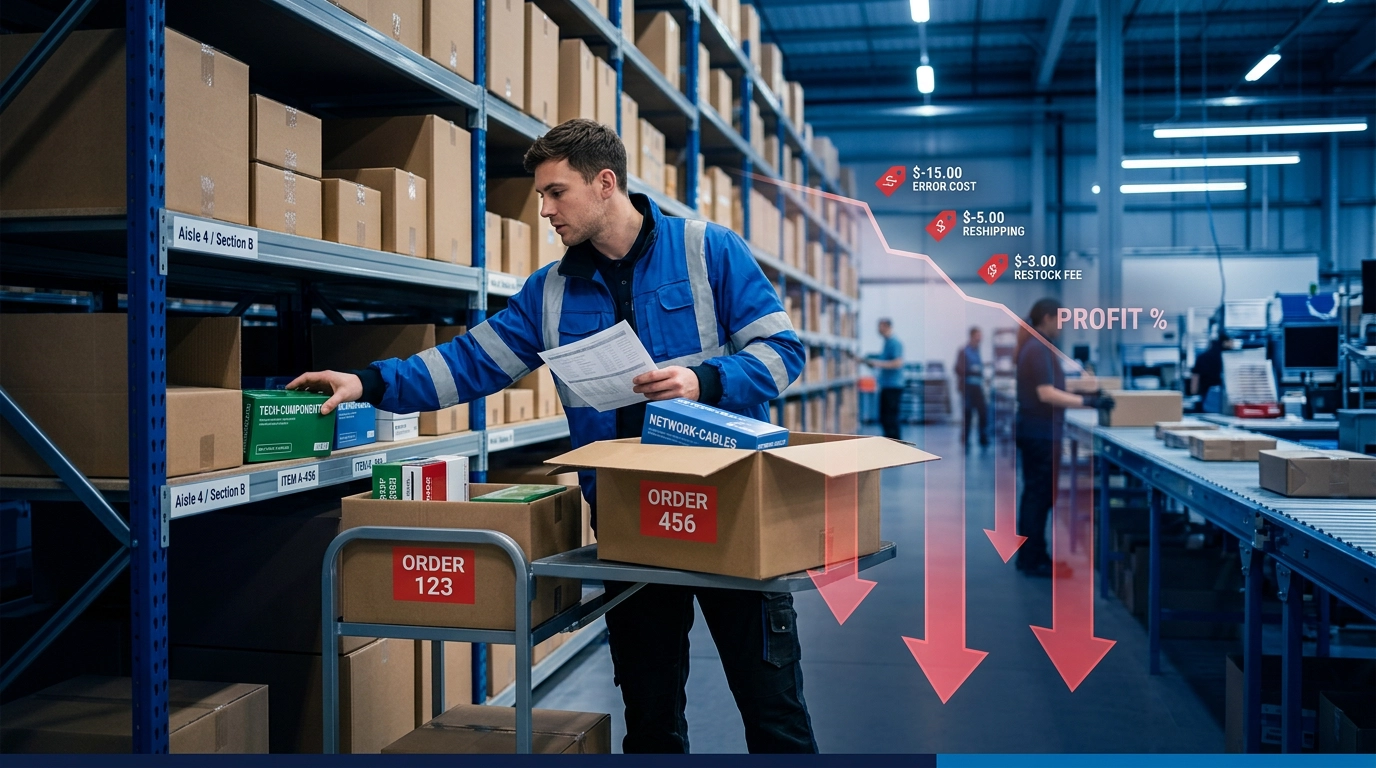
    Picking errors are one of the most underestimated threats in e-commerce logistics. While many companies focus on attracting new customers and accelerating deliveries, they often overlook a costly reality happening inside the warehouse. Every wrong item, missing product, or incorrect order shipped directly erodes profitability.

    In highly competitive e-commerce environments, customers expect perfect fulfillment. A single mistake can trigger returns, customer service incidents, replacement shipments, and reputational damage. When picking processes are performed manually, these errors become increasingly difficult to control as order volumes grow.

    Every picking error generates hidden costs that extend far beyond the value of the wrong product shipped.

    Why manual picking generates costly mistakes

    Manual picking relies heavily on human attention. Operators must identify locations, verify products, confirm quantities, and prepare orders under constant time pressure. As SKU catalogs expand and order volumes increase, the probability of mistakes grows significantly.

    Human errors are inevitable

    Even highly trained warehouse employees are vulnerable to:

    • Selecting the wrong product reference
    • Picking incorrect quantities
    • Forgetting items within an order
    • Confusing similar-looking products
    • Picking from incorrect locations

    These mistakes become more frequent during seasonal peaks, promotions, or high-demand periods.

    Complexity increases operational risk

    Modern e-commerce operations often manage:

    • Thousands of SKU references
    • Multiple product variants
    • Continuous inventory movements
    • Same-day shipping commitments

    Without real-time validation systems, warehouse teams depend entirely on visual checks and manual verification processes.

    The result is simple: increased operational risk and reduced order accuracy.

    The true cost of a picking error

    Many organizations only calculate the direct cost associated with correcting an order. However, the financial impact is much larger.

    Direct operational costs

    When an incorrect order is shipped, companies typically incur:

    1. Reverse logistics costs
    2. Product return handling
    3. Replacement shipment expenses
    4. Customer service intervention time
    5. Additional warehouse labor

    Each error generates multiple operational activities that consume resources.

    Indirect costs that hurt profitability

    The most dangerous consequences are often invisible.

    These include:

    • Customer dissatisfaction
    • Negative reviews
    • Lower repurchase rates
    • Reduced brand trust
    • Increased customer acquisition costs

    In e-commerce, customer experience is a competitive advantage. A fulfillment mistake can quickly become a lost customer.

    Comparing manual versus automated validation

    Operational challengeManual pickingRFID-enabled validation
    Product verificationVisual inspectionAutomatic identification
    Order accuracyDependent on operator attentionReal-time validation
    Error detectionAfter shipmentBefore shipment
    ScalabilityLimited by workforceEasily scalable
    Customer satisfactionVariableConsistently high

    How picking errors impact customer experience

    The customer only sees one thing: whether the order was correct. They do not distinguish between warehouse issues, inventory discrepancies, or operational complexities.

    Wrong orders create immediate frustration

    Receiving the wrong item causes:

    • Disappointment
    • Additional effort to process returns
    • Delays in product availability
    • Reduced trust in the retailer

    A single negative experience may be enough to encourage customers to explore alternative brands.

    Fast delivery means nothing if accuracy is missing

    Many e-commerce businesses invest heavily in delivery speed. However, delivering the wrong product quickly does not improve customer satisfaction. Accuracy must come before speed.

    Customers remember receiving the correct product more than they remember receiving it a few hours earlier.

    How RFID transforms e-commerce order fulfillment

    Reducing picking errors requires more than additional training or supervision. Businesses need automated verification mechanisms capable of identifying mistakes before orders leave the warehouse.

    This is where RFID technology becomes a strategic advantage.

    Real-time product identification

    RFID allows every tagged item to be identified instantly without manual scanning.

    During packing and dispatch operations, products can be automatically verified against the customer order.

    This enables warehouses to detect discrepancies before shipment.

    Automated order validation

    With an RFID-powered e-commerce solution, organizations can:

    • Verify order completeness automatically
    • Detect incorrect products instantly
    • Reduce manual quality controls
    • Increase fulfillment accuracy
    • Accelerate shipping processes

    The result is a more reliable operation with fewer costly incidents.

    Data-driven continuous improvement

    Accurate visibility is essential for operational excellence. Through Zentup, companies can transform fulfillment data into actionable insights, identifying:

    • Error patterns
    • Operational bottlenecks
    • Productivity trends
    • Inventory discrepancies

    Data intelligence helps logistics leaders move from reactive problem-solving to proactive optimization. Learn more about how data visibility improves warehouse performance through Zentup and connected logistics solutions available at Clustag.

    Building a scalable and error-free e-commerce operation

    As order volumes grow, manual controls become increasingly difficult to maintain.

    Organizations that continue relying on manual picking often face:

    • Higher operational costs
    • Increased return rates
    • Lower customer satisfaction
    • Reduced profitability margins

    Operational excellence requires automation

    To create a scalable fulfillment process, businesses need technologies capable of:

    • Automatically validating products
    • Providing real-time inventory visibility
    • Eliminating repetitive manual checks
    • Supporting business growth without proportional labor increases

    RFID-enabled e-commerce solutions provide exactly this foundation.

    The competitive advantage of error-free fulfillment

    Companies that consistently deliver accurate orders benefit from:

    • Better customer retention
    • Lower logistics costs
    • Higher operational efficiency
    • Stronger brand reputation
    • Improved profitability

    In today’s e-commerce landscape, fulfillment accuracy is no longer a warehouse metric. It is a business growth driver.

    Frequently asked questions

    How much can picking errors impact profitability?

    Picking errors generate direct costs such as returns, replacement shipments, and customer service interventions. They also create indirect costs through customer dissatisfaction and lost future sales.

    Why do manual picking processes generate mistakes?

    Manual operations depend on human attention and verification. As SKU volumes and order complexity increase, the probability of errors rises.

    What is the biggest hidden cost of picking errors?

    The largest hidden cost is often customer churn. A poor fulfillment experience can damage trust and reduce repeat purchases.

    How does RFID reduce picking errors?

    RFID automatically identifies products and validates orders in real time, allowing warehouses to detect mistakes before shipment.

    Can RFID improve warehouse productivity?

    Yes. RFID reduces manual verification tasks, speeds up fulfillment processes, and enhances operational efficiency.

    What role does Zentup play in fulfillment optimization?

    Zentup provides operational intelligence by transforming logistics data into insights that help companies improve accuracy and performance.

    Is RFID only useful for large e-commerce operations?

    No. Businesses of all sizes can benefit from improved order accuracy, reduced returns, and greater warehouse visibility.

    How can companies test RFID solutions before implementation?

    Organizations can visit the Clustag Customer Experience Center to evaluate RFID use cases using their own products and operational scenarios.

    Ready to eliminate costly picking errors?

    Picking mistakes may seem like isolated incidents, but they create a continuous drain on profitability, customer satisfaction, and operational efficiency.

    If you want to discover how RFID-powered e-commerce solutions can help you achieve near-perfect order accuracy, contact our team or visit our Customer Experience Center to test the technology with your own products and processes.

  • Manufacturing Hub: One Year of Greater Efficiency

    Manufacturing Hub: One Year of Greater Efficiency

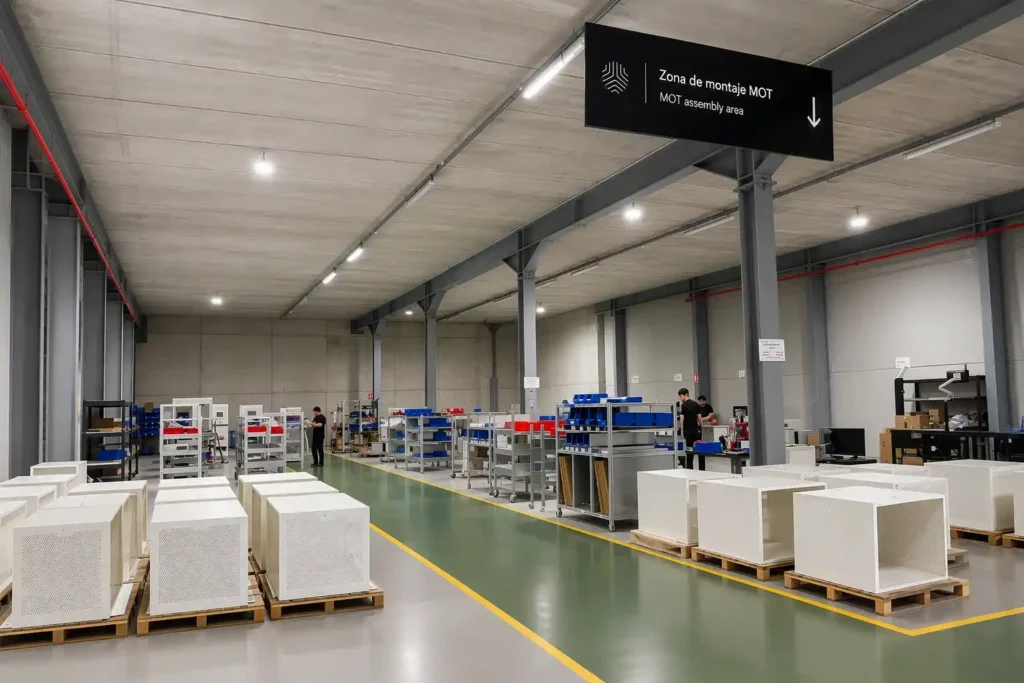
    A unified production hub is one of the most effective ways to improve operational efficiency, strengthen collaboration, and build a scalable foundation for future growth. One year ago, we took a major step in that direction by bringing our operations together in a purpose-built 10,000 m² facility, creating a single operational hub where teams, processes, and workflows are more connected than ever.

    What made this project truly significant was not the relocation itself, but the opportunity to redesign how our operation works. By consolidating production, assembly, quality, warehouse management, logistics, shipping, purchasing, spare parts, and health & safety under one roof, we created an environment where communication flows faster, coordination is simpler, and every department contributes to a shared operational vision.

    Bringing teams together in a single location is not just about sharing a building. It is about creating a connected operation that enables greater efficiency, stronger collaboration, and continuous improvement.

    Why a unified manufacturing hub matters

    As organizations grow, operational complexity increases. Different departments often become separated, creating communication gaps, duplicated efforts, and inefficiencies. A unified manufacturing hub helps overcome these challenges by creating a more integrated environment where departments can work together more effectively.

    Strengthening collaboration across teams

    When operational functions are located in the same facility, collaboration becomes part of daily routines rather than a structured process.

    Key benefits include:

    • Faster communication between departments
    • Improved visibility of operational priorities
    • Better alignment across teams
    • Faster problem-solving
    • More agile decision-making

    The result is a more responsive organization capable of adapting quickly to changing operational requirements.

    Building a shared operational culture with unified manufacturing hub

    Physical proximity plays a critical role in creating stronger relationships between teams. By working side by side, employees gain a better understanding of how their responsibilities impact the broader operation. This creates a stronger sense of ownership, accountability, and teamwork. As collaboration improves, organizations benefit from greater alignment around common goals and long-term objectives.

    Designing a unified manufacturing hub around operational flow

    The new facility was designed with one objective in mind: creating a seamless operational flow that connects every area of the business. Rather than focusing on individual departments, the project focused on how people, materials, and processes move throughout the entire operation.

    Creating a connected workflow

    Every area within the facility was strategically organized to improve coordination and ensure materials are available when needed.

    The new operational layout includes:

    AreaSurface
    Manufacturing, Assembly & Quality7,100 m²
    Bulk Material Warehouse800 m²
    Logistics & Shipping1,300 m²
    Purchasing, Spare Parts & Health & Safety800 m²

    This configuration allows departments to interact more efficiently while maintaining clear visibility across operations.

    Reducing barriers between departments

    One of the greatest advantages of centralization is the elimination of unnecessary barriers between teams. Information can be exchanged more quickly, issues can be resolved faster, and decisions can be made with greater confidence because all stakeholders are working within the same operational environment.

    The impact of a unified manufacturing hub after one year

    The benefits of the new hub extend far beyond the physical facility itself. After twelve months of operation, one of the most noticeable improvements has been the stronger connection between teams and the creation of a more agile operational structure.

    Improved coordination and production alignment

    The centralization of key functions has helped create a smoother and more coordinated operation.

    “Bringing our operations together in a single facility has transformed the way we work. Having manufacturing, warehouse, logistics, quality teams operating side by side has improved communication, reduced internal movements and created a much more connected workflow. Beyond the facility itself, the biggest achievement has been the collaboration and agility we have gained as a team.”

    Pau Micó, DAP Manager

    This enhanced coordination has strengthened day-to-day operations and helped create a more efficient working environment across all departments.

    A more integrated approach to operations

    The project was designed not only to centralize teams but also to rethink how departments interact and how workflows can be optimized.

    “The objective was not simply to bring departments together, but to create a more integrated and efficient flow across all activities. One year later, we can clearly see the benefits in terms of collaboration, visibility and operational alignment.”

    Juan Vicente, COO Clustag

    The result is an operation that is better connected, more agile, and better equipped to support future requirements.

    Building the foundation for future growth

    A unified manufacturing hub is not only an operational improvement. It is also a strategic investment in the future. As organizations continue to evolve, centralized operations provide the flexibility and scalability needed to support expansion while maintaining efficiency.

    Scalability through integration

    By connecting departments within a single operational framework, organizations can:

    • Improve resource allocation
    • Increase operational visibility
    • Facilitate future growth
    • Enhance organizational agility
    • Support continuous improvement initiatives

    This creates a stronger foundation for sustained development over the long term.

    A strategic vision beyond the facility

    The new hub reflects a broader commitment to operational excellence and continuous improvement.

    “This facility represents much more than additional space. It reflects our commitment to continuous improvement, operational excellence and long-term growth. By bringing our teams together under one roof, we have built a stronger foundation to support the next stage of our development.”

    Luis Rius, Founder & CEO Clustag

    The facility may have been the starting point, but its greatest value lies in the collaboration, efficiency, and shared vision it has enabled throughout the organization.

    Benefits of a unified manufacturing hub at a glance

    Operational challengeBenefit of a unified hub
    Departments working in separate locationsImproved collaboration and communication
    Limited operational visibilityGreater transparency across workflows
    Slower decision-makingFaster coordination and response times
    Fragmented processesMore integrated operations
    Challenges supporting growthScalable foundation for future expansion

    Visit our Customer Experience Center

    Visit Clustag’s Customer Experience Center and discover how connected operations, RFID technology, and real-time visibility help organizations improve efficiency, collaboration, and scalability.

  • Join Us at RAIN in Action 2026

    Join Us at RAIN in Action 2026

    RAIN in Action 2026 arrives in Madrid as a defining moment for RFID adoption in Europe, placing Spain firmly on the map as a leading market for connected retail and supply chain innovation.

    Madrid is not just hosting RAIN in Action 2026. We are seeing it emerge as a European benchmark for RFID adoption and real-world impact.

    Rain in Action 2026 in Madrid marks a turning point

    Taking place from 29 September to 1 October at Novotel Madrid Centre, this edition confirms a clear evolution in the European landscape. After Florence and Amsterdam, Madrid represents the next step in the expansion of RFID adoption across key markets.

    Spain is no longer an emerging adopter. It is becoming an active driver, especially in sectors such as fashion, cosmetics, and food retail, where the need for real-time visibility and operational efficiency continues to grow.

    This year’s theme focuses on how RFID evolves from infrastructure into measurable business impact. The message from the organization is clear: RAIN technology is enabling smarter, more connected, and more sustainable businesses by linking billions of everyday items to real-time data.

    From infrastructure to real-world impact

    RAIN in Action 2026 emphasizes how RFID is no longer limited to pilots or isolated deployments. It is now part of scalable infrastructures that support decision-making across entire organizations.

    Key topics addressed during the event include:

    • Digital Product Passport and regulatory readiness
    • Integration of RFID into smartphones and consumer interaction
    • Inventory accuracy across distribution and retail environments
    • Applications in healthcare, manufacturing, and smart environments

    These sessions reflect a broader industry reality: companies are moving from experimentation to execution, focusing on tangible outcomes and long-term value.

    A shared vision driven by the RAIN ecosystem

    RAIN in Action continues to highlight the importance of collaboration, interoperability, and trust. The ecosystem is evolving towards standardized infrastructures capable of supporting future initiatives and global scalability.

    A key industry reflection developed together with the organization focuses on one critical point: trust. Ensuring accuracy and reliability at moments such as shipping and receiving is essential to unlock the full value of RFID and build confidence across the supply chain.

    This vision aligns with the future of the sector, where connected products, transparent data, and regulatory frameworks will depend on robust and interoperable RFID systems.

    Clustag at Rain In Action 2026

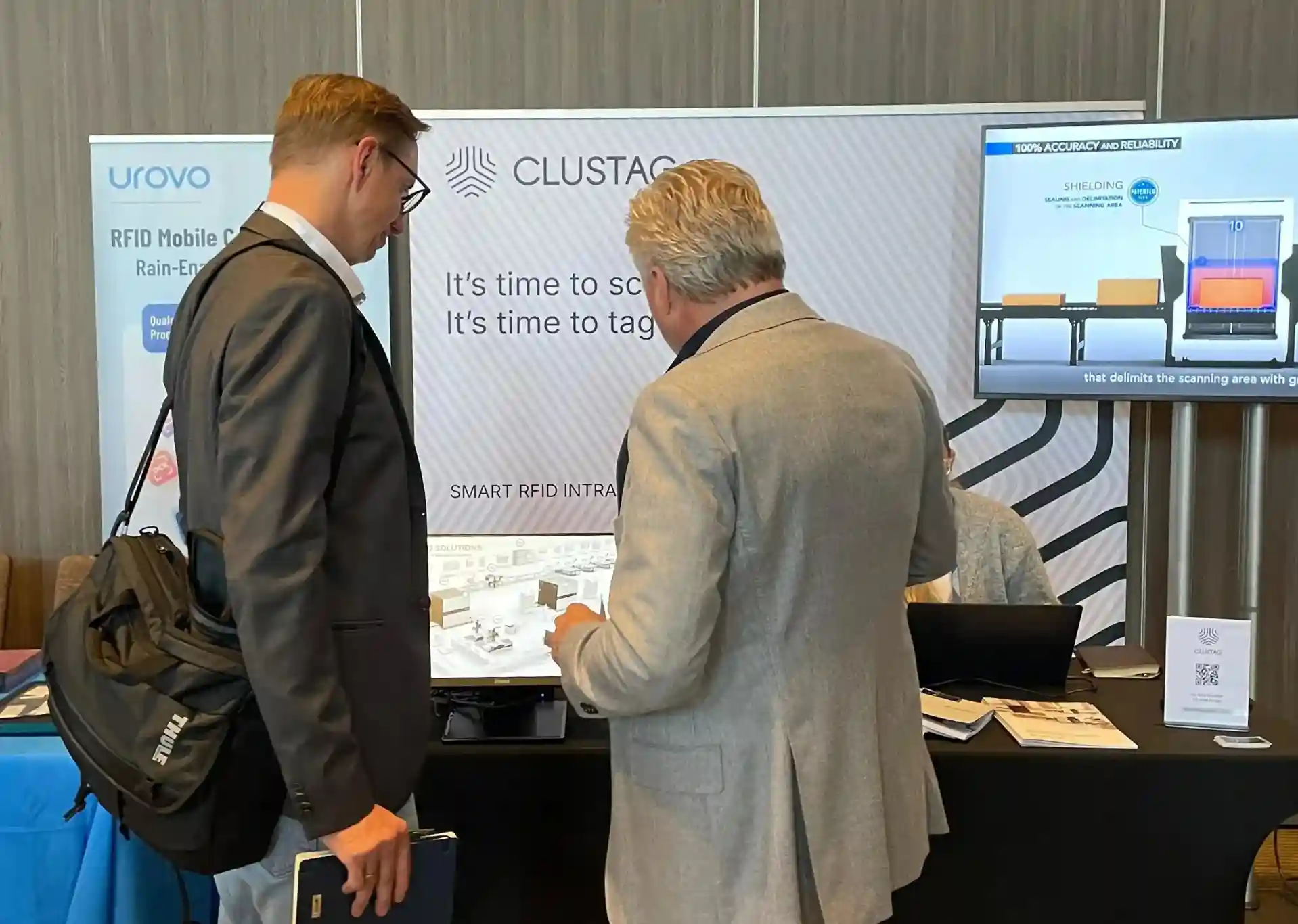
    We are proud to participate in RAIN in Action 2026 for the third consecutive year, reinforcing our role as a recognized Gold member within the RAIN Alliance ecosystem.

    Our presence in Valencia allows us to actively contribute to positioning Spain as a European reference while connecting with leading international stakeholders across retail and intralogistics.

    Furthermore, we have organized an exclusive invite-only networking event designed to bring together top RFID and retail leaders in a curated environment. This creates valuable opportunities to share insights, discuss challenges, and build meaningful connections.

    Visit our booth

    Don’t forget to stop by our Table 5 during the coffee breaks. We are there to discuss your projects, answer your questions, and exchange ideas with industry leaders. Visit us and connect with our team.

    Join us at RAIN in Action 2026 in Madrid for a unique opportunity to connect, learn, and shape the future of RFID together.

  • Clustag expands its traceability platform with Labelmasters

    Clustag expands its traceability platform with Labelmasters

    Labelmasters strengthens our position as an end-to-end technology partner in logistics traceability, expanding our portfolio with advanced automated labeling solutions and reinforcing our vertical integration strategy.

    With this acquisition, we continue executing our growth and consolidation roadmap. Focused on building leading platforms through the integration of complementary capabilities. The addition of Labelmasters allows us to extend our value proposition from intelligent label creation to real-time data capture and exploitation.

    Why Labelmasters strengthens our integrated model

    This operation enables us to gain greater control over traceability projects from their earliest stages, reduce reliance on third parties for critical components, and reinforce recurring business linked to consumables and specialized services.

    Labelmasters contributes deep expertise in automated labeling solutions for high-demand logistics environments. Including distribution centers, automated warehouses, parcel operations, and high-speed sorting processes.

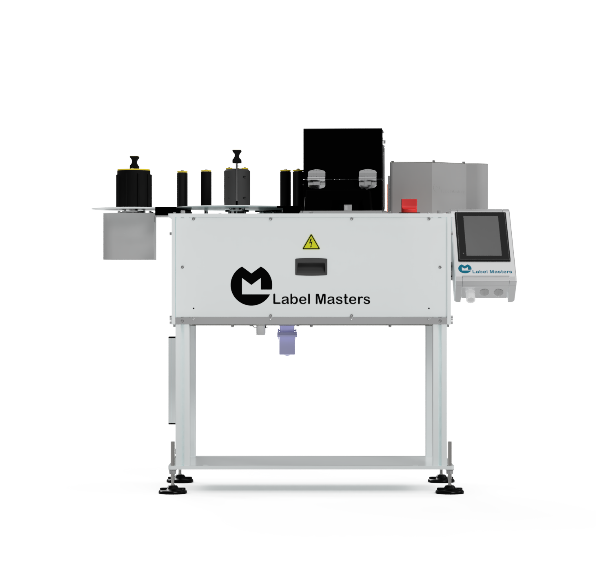
    Korat printer and labeler by Labelmaster
    Operational needAdded value with labelmasters
    End-to-end project controlEarlier involvement and greater ownership
    Complex intralogistics environmentsProven automated labeling expertise
    RFID-focused operationsExpanded industrial and commercial capabilities
    Long-term scalabilityReduced dependency on third parties

    A shared vision for vertical integration

    “This move represents a natural step in Clustag’s evolution toward a vertical integration model. It allows us to enter projects earlier, capture more value across the chain, and offer a truly differentiated proposition: from the physical label to exploitable data in our customers’ systems,” says Luis Rius, CEO of Clustag.

    The integration also opens new opportunities for accelerated innovation in labeling technologies within a broader technological platform.

    “Joining Clustag is a unique opportunity to accelerate the development of innovative labeling solutions and bring them into a reference technology platform. The complementarity of capabilities and the shared growth vision will deliver a more complete and differentiated offering to the market,” adds Giuseppe Vernone, founder of Labelmasters.

    Creating more value for logistics and retail customers

    This acquisition further positions us as a strategic technology partner for retail, and distribution companies, strengthening our ability to deliver integrated, high-performance traceability and automation solutions.

    If you want to explore how our integrated approach can support your logistics strategy, contact our team or visit our Customer Experience Center to see our solutions in action.

  • Clustag Strengthens Its Footprint in Mexico Through Strategic RFID Alliance

    Clustag Strengthens Its Footprint in Mexico Through Strategic RFID Alliance

    RFID solutions in Mexico are entering a new phase of acceleration as we reinforce our presence in North America through a strategic alliance with Malipo, a leading retail technology integrator and official Nedap partner in the country.

    From our operational hub in Puebla de Zaragoza, we continue to scale next-generation RAIN RFID projects across retail, intralogistics, and distribution environments, supporting one of the most dynamic and fast-growing RFID markets in Latin America.

    RFID is no longer an optional upgrade. It has become a decisive competitive advantage for retailers and logistics-driven organizations.

    RFID Solutions in Mexico as a Growth Driver

    Mexico has consolidated itself as a strategic hub for RFID innovation, driven by the convergence of retail digitalization, intralogistics automation, and nearshoring dynamics. The demand for real-time visibility, operational efficiency, and inventory accuracy is reshaping how retailers and manufacturers scale their operations.

    This momentum is clearly visible in sectors such as fashion, footwear, sportswear, and optical retail, where RFID has become a foundational layer for omnichannel execution and inventory intelligence.

    The impact of nearshoring on intralogistics

    Nearshoring has significantly increased operational complexity across supply chains. As production and distribution move closer to end markets, organizations require technologies that can scale rapidly without compromising accuracy.

    RAIN RFID enables this transition by providing:

    • End-to-end traceability across inbound and outbound flows
    • Real-time inventory accuracy at item level
    • Faster and more reliable store and warehouse operations

    Events and ecosystem maturity

    Mexico’s growing RFID ecosystem is reinforced by industry events and logistics forums that connect innovation, solution providers, and retail decision-makers. This environment accelerates adoption and positions the country as a reference point for RFID-driven transformation in the region.

    Our mission in North America

    We support retailers from the very first strategic conversation through to full-scale deployment. Our approach focuses on designing RFID strategies that deliver measurable impact from day one.

    Traceability, operational efficiency, and full inventory visibility are no longer optional. They are essential to compete.

    By combining RFID hardware, data intelligence, and intralogistics expertise, we help organizations achieve ROI in less than two years while building scalable foundations for long-term growth.

    From pilot to full-scale deployment

    Our projects are designed to evolve organically, allowing retailers to start small and scale confidently:

    • Pilot projects in stores or distribution centers
    • Progressive rollout across networks
    • Seamless integration with existing systems such as WMS, ERP, and SAP

    The Clustag and Malipo alliance

    Our alliance with Malipo brings together deep local market expertise and internationally proven RFID technology. Malipo’s understanding of operational flows in Mexican retail environments perfectly complements our RFID devices, software platforms, and intralogistics know-how.

    Together, we enable retailers to adopt RFID with confidence and speed.

    What this partnership delivers to retailers

    Operational challengeRFID-driven solution
    Limited inventory visibilityItem-level traceability with RAIN RFID
    Manual and error-prone processesAutomated capture with Clustag RFID Solutions
    Scalability constraintsModular deployments from pilot to mass rollout
    Data silosReal-time insights via Zentup data intelligence
    Stray reads in dense environmentsRFID Shield Technology for controlled reading zones

    Technology that scales with the business

    Our solutions are built to grow alongside operational needs:

    • Clustag RFID Solutions for store, warehouse, and intralogistics automation
    • Zentup as the RFID data intelligence platform, integrating seamlessly with enterprise systems
    • RFID Shield Technology to mitigate stray reads and ensure precision in high-density environments

    This combination ensures accuracy, control, and scalability across every deployment phase.

    Enabling smarter intralogistics and retail operations

    By aligning local expertise with advanced RFID technology, we are accelerating the adoption of RFID solutions in Mexico across retail and intralogistics. The result is smarter operations, better decision-making, and future-ready supply chains.

    If you want to explore how RFID can transform your operations, we invite you to get in touch with our team or visit our Customer Experience Center to test our solutions with your own products.

  • RFID Chargeback Reduction: The Perry Ellis Success Story

    RFID Chargeback Reduction: The Perry Ellis Success Story

    Achieving RFID chargeback reduction is one of the most effective ways to protect margins in high‑volume distribution. Improving outbound accuracy remains critical in sectors where retailer compliance is strict. In the fashion and apparel industry, even small mismatches generate substantial deductions.

    In this post, we explore how Perry Ellis achieved measurable savings by implementing high‑accuracy RFID validation reinforced with our Smart RFID Solutions. From real‑time control to automated discrepancy detection, we share how this transformation works for any fast‑paced distribution operation.

    The Financial Drain: Why Accuracy Matters

    Improving outbound validation does more than enhance operational quality. It directly protects profitability and stabilizes revenue streams. Before diving into the transformation, it is essential to understand why financial leakage occurs so frequently in B2B distribution.

    “Retailers apply automatic deductions that can reach up to 20% of the invoice value, eroding margins month after month.”

    The Core Challenges

    • Manual Bottlenecks: Manual validation steps often remain the final barrier before shipping.
    • Outbound Velocity: Even with strong picking processes, the last validation point is typically the weakest.
    • Compliance Friction: Recurring financial losses due to strict retailer requirements.

    The Transformation: From Manual to Automated

    Perry Ellis operates a 600,000 square‑foot distribution center in Dublin, Georgia. While their pick‑to‑light system performed well, the post‑picking validation process needed a robust, automated alternative.

    FeatureLegacy Manual ProcessClustag Smart RFID Solutions
    SpeedSlow / Dependent on staffHigh-speed (Conveyor speed)
    AccuracyProne to human errorItem-level EPC validation
    VisibilityLimited to barcode scansReal-time item-level visibility
    Financial RiskHigh (Frequent chargebacks)Low (Automated discrepancy detection)

    The Technology Stack

    To address the issue, Perry Ellis deployed a fully integrated RAIN RFID validation system built on our Smart RFID Solutions ecosystem:

    1. Hardware: RFID tunnels and automated rejection lines.
    2. Software: Zentup middleware integrated with Manhattan WMS.
    3. Process: Real-time verification of every box before shipping.

    Quantifiable Success: The Financial Outcomes

    The power of the system lies in the seamless integration between hardware, software, and operational flow. With Zentup acting as the central intelligence layer, Perry Ellis gained real‑time visibility that directly protects financial performance.

    Key Performance Indicators (KPIs)

    • 17% Reduction in shipping discrepancies from day one.
    • Thousands of dollars saved every single month.
    • Immediate ROI through the elimination of retail penalties.

    Strategic Advantage: Once accuracy stabilizes, the savings compound, freeing up capital for further automation. Improved accuracy also enhances the perception of reliability among retail partners.

    Ready to Protect Your Margins?

    If you want to see firsthand how Clustag RFID Solutions and our high‑accuracy validation tunnels can help your operation eliminate shipping errors and unlock measurable monthly savings, we are ready to help.

  • Clustag and QodeNext strengthen RFID at source adoption across South Asia

    Clustag and QodeNext strengthen RFID at source adoption across South Asia

    South Asia rfid adoption is advancing quickly across major manufacturing hubs. We see a strong need for accurate item‑level identification from the start. This new alliance with QodeNext strengthens our ability to support manufacturers at source. We work together to deliver reliable encoding, verification and automation right where production begins. Our goal is to help companies improve accuracy, reduce errors and build a more connected supply chain. Keep reading to discover how this partnership shapes the region’s digital transformation.

    A strategic partnership accelerating regional transformation

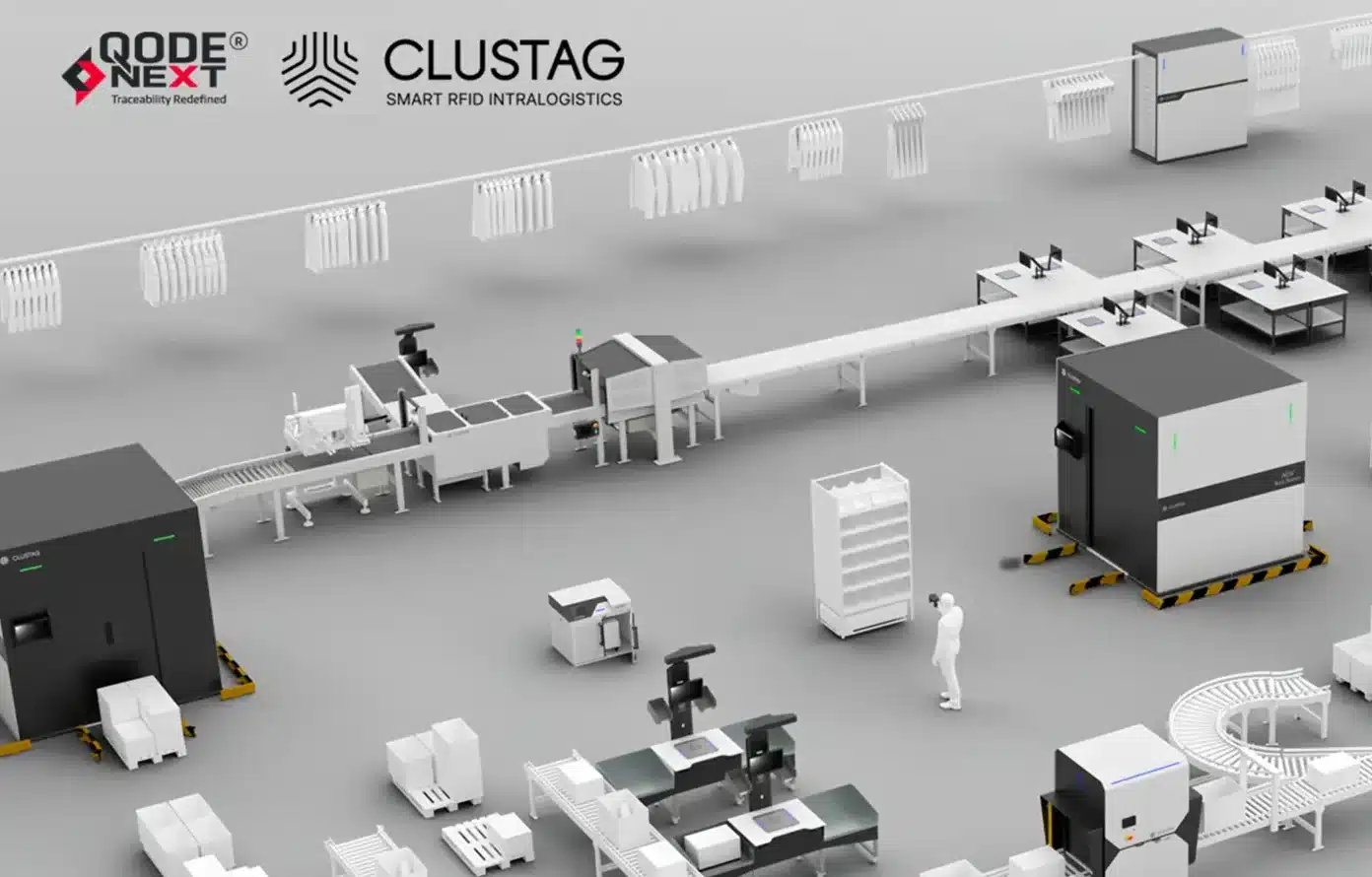
    This alliance expands our capacity to deploy Smart RFID Solutions across South Asia. We combine our hardware, software and intralogistics expertise with QodeNext’s strong local presence.

    Stronger capabilities for manufacturers

    QodeNext has deep experience in AIDC, RFID, automation and integration. This expertise supports factories moving toward more digital operations. We add our item‑level encoding, RFID tunnels and verification systems to their portfolio. This combination strengthens accuracy at source and ensures every tag meets global standards.

    Bringing our ecosystem to key production hubs

    South Asia concentrates a large share of global fashion, sports and home goods manufacturing. We bring our full ecosystem to these environments. Our tunnels, workstations and Zentup middleware improve speed, reliability and real‑time control from day one of production.

    A unified approach to Smart RFID Solutions

    Our partnership addresses real operational needs with practical, scalable tools.

    Encoding and verification built for reliability

    We deliver encoding stations, RFID tunnels and manual workstations for flexible operations. These tools reduce errors and support consistent quality. They also help companies prepare for new regulatory models, including Digital Product Passport requirements. This improves transparency and strengthens south asia rfid adoption across the region.

    Local support and turnkey deployment

    QodeNext provides strong on‑site service. Their teams offer installation, integration and maintenance near the factories. This local support accelerates adoption and ensures systems operate smoothly at scale.

    Expanding our partner network and regional footprint

    This alliance fits our strategy to grow in fast‑moving markets and build reliable regional partnerships.

    Supporting large‑scale deployments

    QodeNext becomes our official partner in India and South Asia. Together we enable large deployments in factories, distribution centers and retail environments. This expansion supports the rapid growth of south asia rfid adoption and strengthens regional supply chains.

    A shared vision for traceability

    Both companies believe in innovation and reliability. We work together to bring accurate, automated and visible operations to manufacturers. This collaboration improves upstream processes and supports global brands that depend on precise encoding at source.

    Connecting with us to explore next steps

    If you want to explore how Smart RFID Solutions can improve your supply chain, we invite you to contact us through our website’s form. You can also visit our customer experience center to test our solutions with your own products. We would be pleased to guide you through your next step toward a more efficient and traceable operation.