
Category: Retail & Apparel

  • Why RFID Self-Checkout Kiosk are a strategic retail priority

    Why RFID Self-Checkout Kiosk are a strategic retail priority

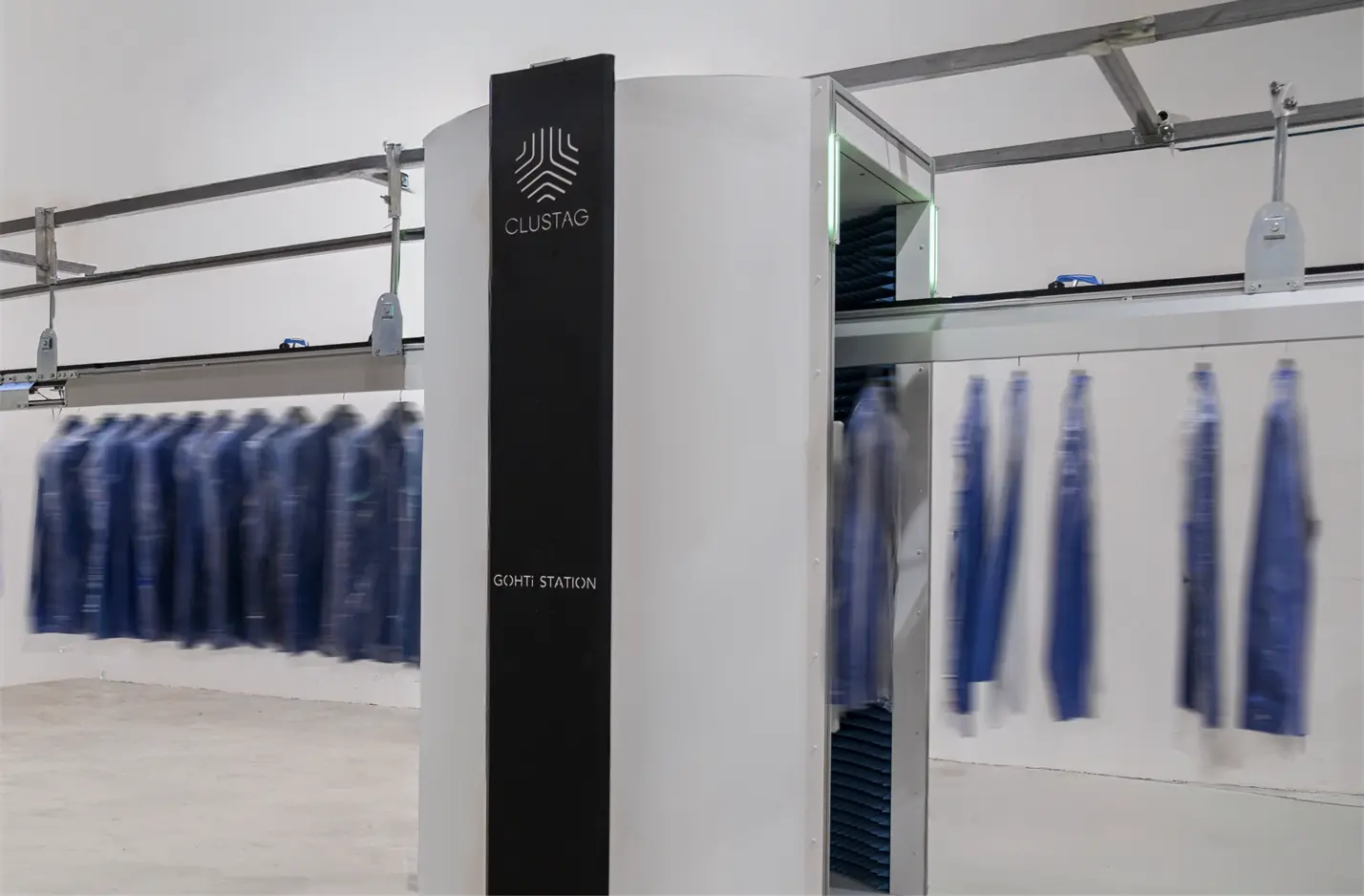
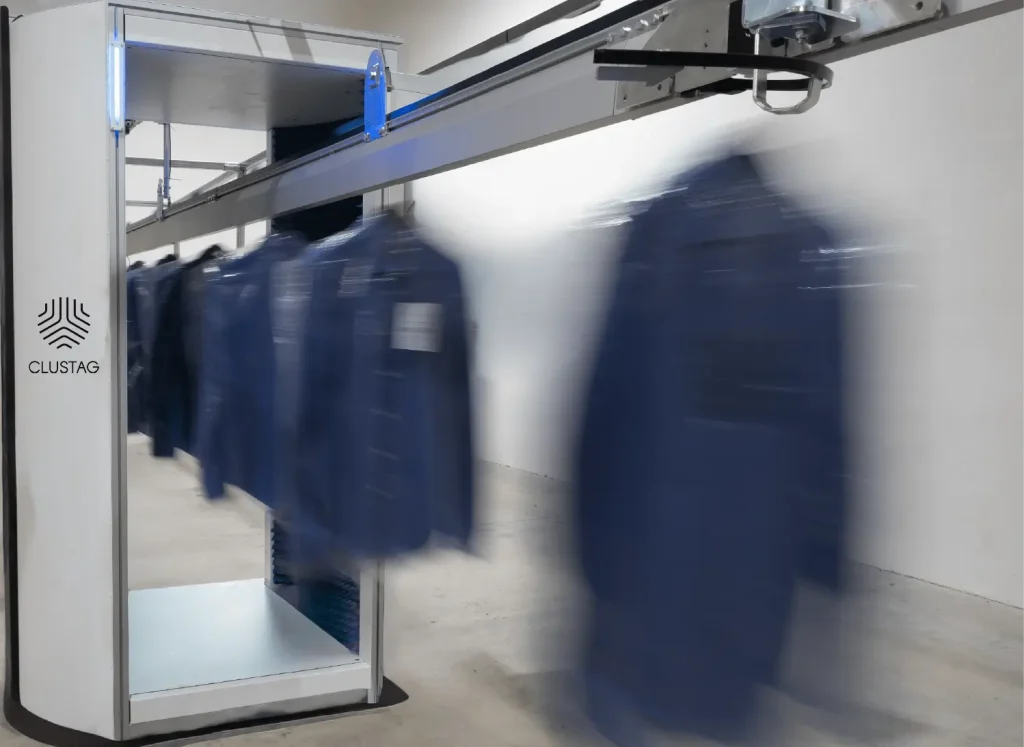
    Retailers are under constant pressure to deliver faster shopping experiences while maintaining operational efficiency. An RFID self-checkout kiosk helps solve both challenges by enabling customers to complete purchases in seconds, reducing queues and freeing store associates to focus on customer engagement rather than repetitive checkout tasks.

    However, successful deployment requires more than installing a checkout device. Every retail environment has unique workflows, store layouts, brand identity requirements, and operational objectives. This is why leading retailers are increasingly adopting a co-innovation approach when developing RFID-enabled customer journeys.

    The most successful RFID self-checkout projects are not technology deployments. They are retail innovation initiatives built around real operational challenges.

    How co-innovation drives RFID self-checkout kiosk success

    Every retailer faces unique operational challenges, store layouts, and customer expectations.

    This is why a one-size-fits-all self-checkout solution rarely delivers optimal results. Through co-innovation, we work alongside retailers to understand their objectives and design solutions that fit their reality from day one.

    Understanding the operational challenge

    Before any technical design begins, we collaborate with stakeholders from operations, store management, innovation, and customer experience teams to identify:

    • Current checkout bottlenecks
    • Peak-hour congestion areas
    • Customer service pain points
    • Existing furniture and store design constraints
    • Brand experience requirements

    This stage ensures the project is built around business outcomes rather than technology specifications.

    Designing around the customer journey

    The customer experience remains at the center of the process. Retailers increasingly need checkout experiences that are:

    • Fast
    • Intuitive
    • Frictionless
    • Consistent with brand identity

    The co-innovation approach allows self-checkout solutions to support these objectives while improving operational efficiency.

    RFID self-checkout kiosk design adapted to every store

    One of the biggest challenges retailers face is integrating self-checkout without disrupting the visual identity of their stores.

    A successful RFID self-checkout kiosk should become part of the retail environment rather than feeling like an external technology layer.

    Flexible integration into existing store concepts

    Through co-innovation, self-checkout stations can be integrated into:

    • Existing furniture
    • Countertop environments
    • Standalone kiosks
    • Shop-in-shop concepts
    • Flagship store designs
    • Custom retail formats

    This flexibility allows retailers to maintain consistency across their stores while introducing new service models.

    Maintaining brand consistency

    Store design plays a key role in customer perception. By adapting materials, finishes, dimensions, and physical integration, retailers can ensure the self-checkout experience remains aligned with their overall brand strategy.

    From operational challenge to customized retail solution

    The co-innovation process follows a structured methodology that ensures every project evolves from a real operational need to a validated retail solution.

    Step 1. Co-ideation and challenge definition

    The project begins by identifying operational objectives and defining measurable success criteria. Alignment between retail teams and solution developers is established from the outset.

    Step 2. Operational and technical planning

    The operational workflow is analysed to determine how self-checkout can create measurable value. Planning includes:

    • Customer flow analysis
    • Process design
    • Store integration requirements
    • Operational validation criteria

    Step 3. Prototype development and real-world validation

    Concepts are transformed into working prototypes. Testing in real stores allows retailers to validate:

    • Customer usability
    • Store integration
    • Operational performance
    • Employee adoption

    Step 4. Engineering optimization

    Feedback gathered during validation is translated into design improvements. This stage ensures performance, reliability, and scalability.

    Step 5. Manufacturing and quality control

    Solutions move into industrialisation while maintaining strict quality standards.

    Step 6. Deployment and continuous improvement

    After deployment, performance indicators can be monitored to identify additional optimization opportunities.

    Real-world use case of RFID self-checkout kiosk co-innovation

    A practical example of this co-innovation approach can be seen in RFID self-checkout deployments developed together with fashion retailers.

    The initial challenge was not simply to accelerate transactions. Retailers needed to introduce self-service checkout while preserving customer experience, operational consistency, and store aesthetics.

    Adapting the solution to different retail environments

    Through a collaborative design process, self-checkout stations were adapted to multiple store concepts.

    These deployments demonstrated that retailers can introduce self-service checkout without redesigning their entire retail environment.

    Different configurations were developed depending on:

    • Available sales floor space
    • Customer flow patterns
    • Store design requirements
    • Brand identity standards

    Business results achieved through co-innovation

    The resulting solutions delivered measurable improvements across store operations.

    Retail challengeRFID self-checkout benefit
    Long checkout queuesCheckout completed in less than 5 seconds per basket
    Peak-hour congestionUp to 40% of customer traffic redirected to self-service
    Limited staff availabilityUp to 30% reduction in cashier workload
    Customer frustrationNPS improvements of up to 15%
    Inconsistent brand experienceFully adaptable store-integrated designs

    Measurable business impact for retailers

    Retail innovation initiatives must deliver clear business value. RFID self-checkout solutions help retailers improve both customer-facing metrics and operational performance indicators.

    Improving customer experience

    Customers increasingly expect shopping journeys that minimise waiting times. RFID self-checkout enables:

    • Faster checkout experiences
    • Greater purchasing autonomy
    • Reduced queue-related frustration
    • More convenient store visits

    Optimising store operations

    Operational teams benefit from more efficient resource allocation. Benefits can include:

    • Reduced checkout workload
    • Better management of peak traffic periods
    • Improved service availability
    • Increased operational flexibility

    Supporting retail transformation initiatives

    Many retailers view self-checkout as part of a broader digital transformation roadmap.

    RFID self-checkout provides a scalable foundation for future innovation while maintaining alignment with existing operational strategies.

  • How RFID Retail Store Inventory Performs Under Peak World Cup Demand

    How RFID Retail Store Inventory Performs Under Peak World Cup Demand

    RFID retail store inventory becomes the decisive factor when World Cup demand hits physical stores at full intensity. During these peaks, customers are not browsing; they are searching for a specific jersey, a specific player, and a specific size, and they expect it immediately.

    For ecosystems shaped by brands like Nike, Adidas, and Puma, and retailers such as JD Sports, stores must operate with absolute precision. Every stock discrepancy translates directly into a lost sale. When demand concentrates at SKU and size level, real-time visibility becomes the difference between conversion and missed opportunity.

    Peak season is not about having more stock. It is about knowing exactly where it is inside the store, at every moment.

    How RFID retail store inventory changes peak season store operations

    Physical stores are now active nodes within a connected retail network. They support fulfillment, returns, and real-time demand response, especially during global sporting events. As foot traffic increases and products move continuously between the sales floor and stockroom, operational complexity rises sharply.

    Without accurate inventory, stores operate reactively. With RFID retail store inventory, they operate with control. At Clustag, we enable store teams to move from manual processes to real-time decision-making, supported by continuous item-level visibility.

    Real-Time Store Inventory Visibility During Peak Demand

    RFID retail store inventory provides a live view of stock at SKU and size level, which is critical in sports retail environments where demand is highly specific and constantly shifting.

    Through our co-innovative approach, combining different RFID solutions tailored to each retailer’s needs:

    • Store staff can identify exactly what is available in real time.
    • Inventory checks can be completed instantly without interrupting operations.
    • Stock accuracy is maintained throughout the day, not only after store closing.

    The difference between having stock and selling stock is knowing exactly where it is, at the right moment

    Managing size-level demand with RFID retail store inventory

    Peak World Cup demand does not occur at category level. It occurs at the most granular level: size. Customers are not searching for a generic product. They are looking for a very specific combination:

    • Team jersey
    • Player name
    • Exact size

    This creates micro-demand peaks within each SKU.

    Without RFID retail store inventory:

    • Systems may show availability, but store teams cannot locate the correct size
    • Staff spend valuable time searching instead of serving
    • Customers leave due to frustration

    With RFID:

    • Items are located instantly within the store
    • Size availability is accurate and visible
    • Store teams respond faster and more effectively

    This directly improves conversion at the most critical moment.

    The shift from traditional processes to RFID-enabled operations is clear when comparing core store activities:

    Operational challengeTraditional storeRFID with Clustag
    Stock visibilityPeriodic and manualReal-time and item-level
    Size availabilityUncertainAccurate and immediate
    TransfersSlow and manualFast and validated
    ReturnsDelayedInstant restocking
    OmnichannelFragmentedFully connected

    Connecting stores across the network

    No single store can satisfy all demand during peak moments. Inventory must flow across the store network.

    RFID enables:

    • Immediate visibility of stock across stores
    • Faster decision-making on transfers
    • Automatic validation of shipments

    This transforms stores into a connected system, not isolated locations.

    Integrating store, DC, and e-commerce inventory

    Customers expect a seamless experience across all channels. They do not differentiate between store and online stock.

    RFID retail store inventory connects:

    • In-store availability
    • Distribution center stock
    • E-commerce visibility

    This enables:

    • Reliable click and collect
    • Ship-from-store operations
    • Faster store replenishment

    In our deployments with a major Nike distributor in Europe, RFID tunnel technology is used at post-picking stages to verify shipments automatically at item level. This ensures store replenishment arrives accurate and ready to sell during peak demand.

    Faster returns and immediate restocking in store

    Returns increase during World Cup events, especially due to size exchanges.

    Without automation:

    • Items remain in backroom for too long
    • Stock is not available for resale
    • Inventory accuracy drops

    With RFID retail store inventory:

    • Returned items are identified instantly
    • Products are validated automatically
    • Items return to the sales floor immediately

    This ensures that products are still sold while demand exists.

    Building a store-first peak season strategy

    To operate effectively during global sporting events, retailers should focus on:

    • Implementing item-level RFID tagging at source
    • Enabling real-time store inventory visibility
    • Connecting store, DC, and e-commerce operations
    • Activating store-to-store transfer workflows
    • Automating returns and restocking

    We explore similar challenges in other peak periods such as Black Friday and seasonal sales in our related peak season articles, helping retailers build a consistent strategy across demand cycles.

    Experience peak performance in your stores

    Peak season is a real-time test of store operations. Retailers that succeed are those that operate with accuracy, speed, and full visibility. We invite you to visit our Customer Experience Center or contact our team to test your own products in a real RFID-enabled environment.

  • Handheld RFID vs SABI Station for Store-to-Store Transfers in Retail

    Handheld RFID vs SABI Station for Store-to-Store Transfers in Retail

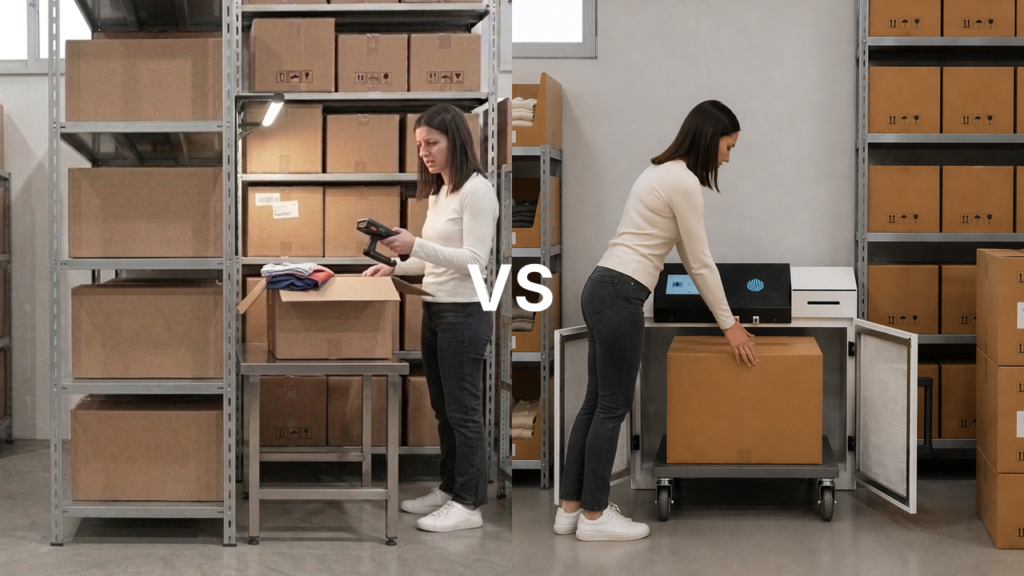
    Handheld RFID vs SABI Station for store-to-store transfers in retail is no longer simply a technology comparison. As retailers handle higher transfer volumes, faster product rotations, and increasingly complex omnichannel operations, many are discovering that handheld readers alone are not always enough to maintain operational control.

    At the same time, inventory discrepancies between stores continue to generate stock inaccuracies, reconciliation efforts, and lost sales opportunities. As a result, more retailers are complementing handheld RFID readers with dedicated validation solutions such as SABI Station to achieve greater accuracy during transfer workflows.

    Inventory visibility is important. However, when transfer volumes increase, precision becomes the real competitive advantage.

    Why store-to-store transfers become a challenge

    Every transfer involves multiple steps, from preparing products for shipment to receiving them at the destination. Consequently, even a small validation error can create discrepancies between what was sent and what was received.

    Furthermore, as omnichannel strategies continue to grow, the volume of store-to-store transfers and store-to-warehouse transfers increases, placing additional pressure on store teams.

    The cost of transfer discrepancies

    When transfers are not properly controlled, retailers often face:

    • Inventory discrepancies between locations.
    • Time-consuming investigations and reconciliations.
    • Lost sales caused by inaccurate stock information.
    • Additional operational costs.
    • Reduced confidence in inventory data.

    Why manual validation creates risks

    Many retailers still rely on manual checks or barcode scans to validate transfer shipments. While these methods may work at low volumes, they become increasingly difficult to manage during seasonal peaks and large stock movements.

    Operational aspectManual processes and barcodesRFID-enabled transfers
    Product verificationItem-by-item scanningSimultaneous reading of multiple items
    Validation speedOperator dependentCompleted in seconds
    Discrepancy detectionUsually discovered after receivingImmediate
    Risk of human errorHighVery low
    Inventory visibilityPartialReal-time

    As a result, teams spend less time solving transfer issues and more time focusing on customer-facing activities.

    How RFID improves store-to-store transfers

    A reliable transfer process requires more than visibility. Retailers need complete traceability, automatic validation, and real-time inventory updates across the entire network.

    This is where RFID delivers significant value.

    Mass reading and immediate discrepancy detection

    Unlike barcode-based workflows, RFID identifies multiple products simultaneously without requiring line-of-sight scanning.

    Consequently, retailers can:

    • Validate entire transfer boxes in seconds.
    • Eliminate manual counting.
    • Detect missing or unexpected items immediately.
    • Improve operational efficiency.

    Real-time inventory visibility

    Every validated transfer automatically updates inventory records.

    Therefore, retailers gain visibility over:

    • Products in transit.
    • Products received.
    • Current stock levels.
    • Inventory movements between stores.

    For organizations looking to optimize these workflows, our Store-to-Store Transfer Solution helps automate validation and improve inventory accuracy.

    The role of handheld RFID readers

    Handheld RFID readers remain one of the most valuable tools available to retail teams. Their mobility allows employees to perform multiple operational tasks using a single device.

    What handheld readers do well

    Handheld RFID readers are particularly effective for:

    • Inventory counts.
    • Product searches.
    • Goods receiving.
    • Quick transfer validations.

    Furthermore, they provide flexibility and can support multiple RFID use cases throughout the store.

    Where handheld readers reach their limits

    However, challenges appear when transfer volumes increase or when products must be validated inside densely packed boxes.

    Typical issues include:

    • Unwanted reads from nearby products.
    • Repeated scans to confirm results.
    • Greater dependence on operator actions.
    • Reduced efficiency during seasonal peaks.

    Therefore, many retailers complement handheld readers with dedicated RFID validation stations.

    How SABI Station optimizes transfer validation

    To overcome these limitations, Clustag combines handheld RFID readers with controlled reading environments powered by RFID Shield Technology.

    SABI Station creates an isolated reading zone that minimizes interference and ensures highly accurate box validation.

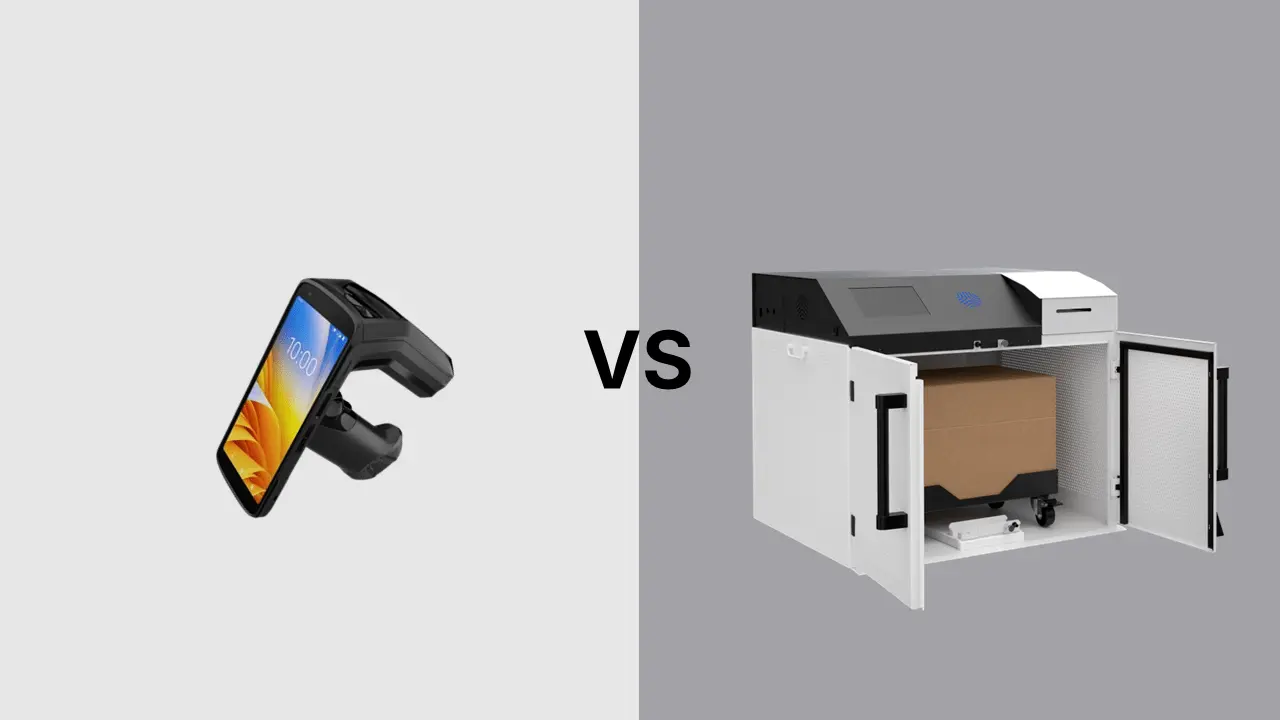
    Handheld vs SABI station

    Handheld RFID vs SABI Station

    The goal is not to replace handheld readers. Instead, both technologies fulfil different roles within a mature RFID strategy.

    CriteriaHandheld RFIDSABI Station
    Main purposeMobility and inventory tasksTransfer validation and shipment control
    Reading environmentOpenControlled with RFID Shield Technology
    Cross readsPossibleVirtually eliminated
    Full-box validationMore operator dependentAutomatic and controlled
    Validation speedVariableConsistent
    Best use caseInventory and item locationHigh-volume transfers and shipments

    Handheld readers provide flexibility. SABI Station provides the level of precision required when every transfer must be validated with confidence.

    Business impact of adopting SABI Station

    Adding a dedicated RFID validation station delivers benefits that extend beyond faster scanning.

    Retailers can achieve:

    • Significant reduction in transfer discrepancies.
    • Faster validation processes.
    • Greater operational consistency.
    • Higher productivity during seasonal transitions.
    • Lower costs associated with transfer errors.

    As a result, store teams can continue using handheld readers for inventory tasks while relying on SABI Station for high-volume transfer validation.

    Frequently asked questions about RFID store transfers

    Do all products need RFID tags?

    Yes. To achieve complete traceability and accurate transfer validation, products must carry RFID tags.

    Does SABI Station replace handheld readers?

    No. SABI Station complements handheld devices by providing greater accuracy and control during transfer validation.

    What advantage does RFID offer compared to barcodes?

    RFID reads multiple products simultaneously, reducing validation times and minimizing manual effort.

    Can RFID integrate with existing retail systems?

    Yes. RFID solutions can integrate with ERP, WMS, and central inventory platforms to keep stock information synchronized.

    Does store staff require technical training?

    No. Both handheld readers and SABI Station are designed to be intuitive and easy to use in day-to-day operations.

    Take your RFID transfers to the next level

    Retailers that have already adopted RFID have improved inventory visibility. The next step is improving transfer accuracy as operational volumes continue to grow.

    At Clustag, we combine RFID, RFID Shield Technology, and Zentup Data Intelligence to help retailers reduce discrepancies, improve inventory accuracy, and gain greater operational control.

    We invite you to visit our Customer Experience Center to test these solutions using your own products, or contact our team through our contact form to discover how we can help optimize your transfer operations.

  • Tag Inspector: Q&A on RAIN RFID and Tag Validation

    Tag Inspector: Q&A on RAIN RFID and Tag Validation

    RAIN RFID plays a key role in enabling accurate item identification, traceability, and automation across retail, logistics, and industrial environments. But when it comes to deploying RFID successfully, one question consistently comes up: how do you test, validate, and truly understand tag performance in real conditions?

    In this Q&A, we share our approach to RAIN RFID, introduce Tag Inspector, and explain how smartphone‑integrated RFID is changing the way professionals test and validate tags. From real‑world use cases to standards and next steps, this article breaks down the essentials, clearly, practically, and straight from hands‑on experience.

    Who are we and how do we work with RAIN RFID?

    We design and deploy RAIN RFID solutions to identify, verify, and track items automatically—without line of sight or manual scanning.

    Our work focuses on delivering real operational impact by combining:

    • Engineering, software, and real-world integration
    • Zentup, our middleware connecting RFID devices with WMS and ERP systems
    • Complementary technologies like RFID‑Shield to avoid unwanted reads

    We take a collaborative, R&D‑driven approach, designing each solution around real customer workflows so RFID fits existing processes, not the other way around.

    What is Tag Inspector?

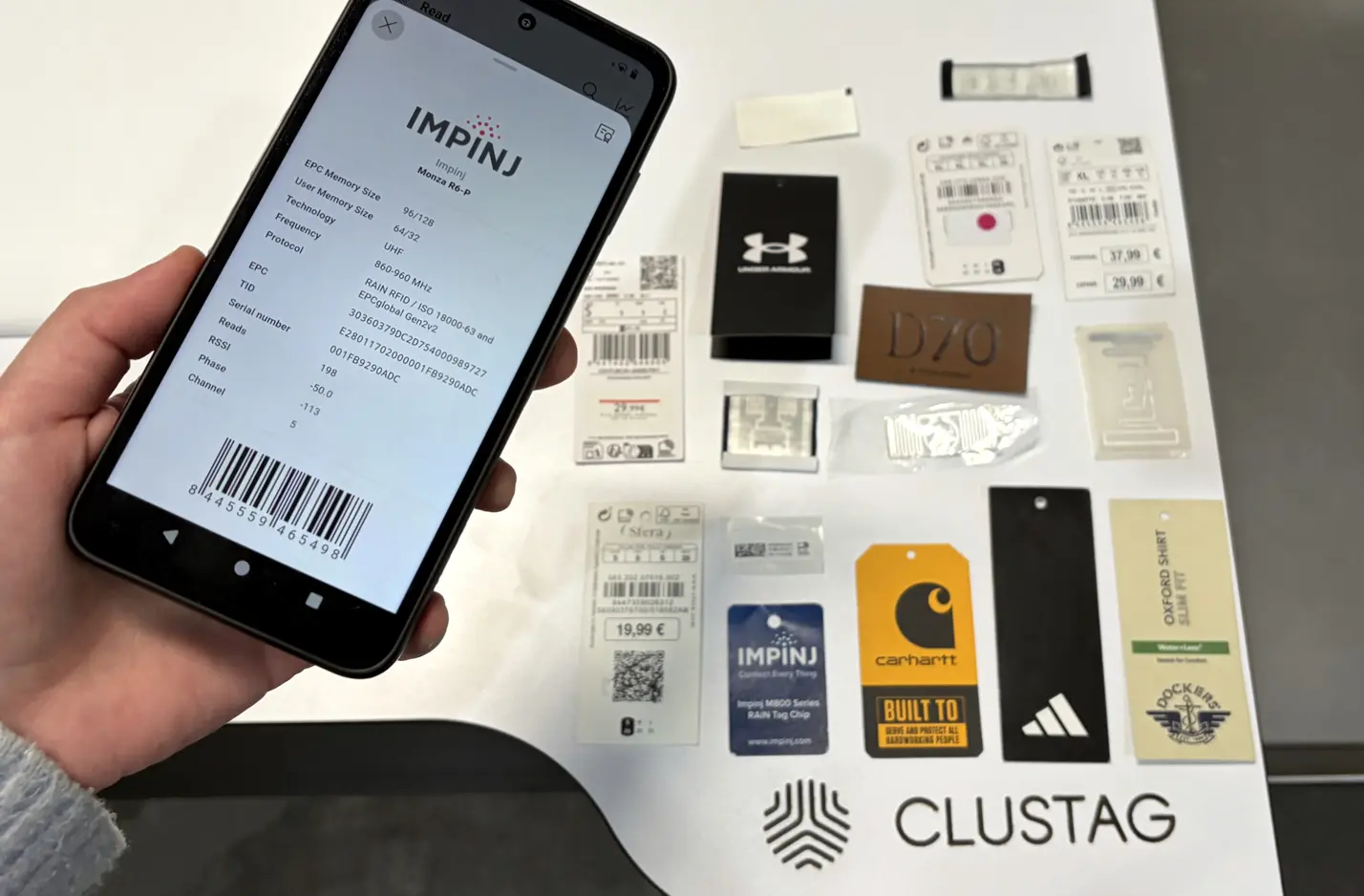
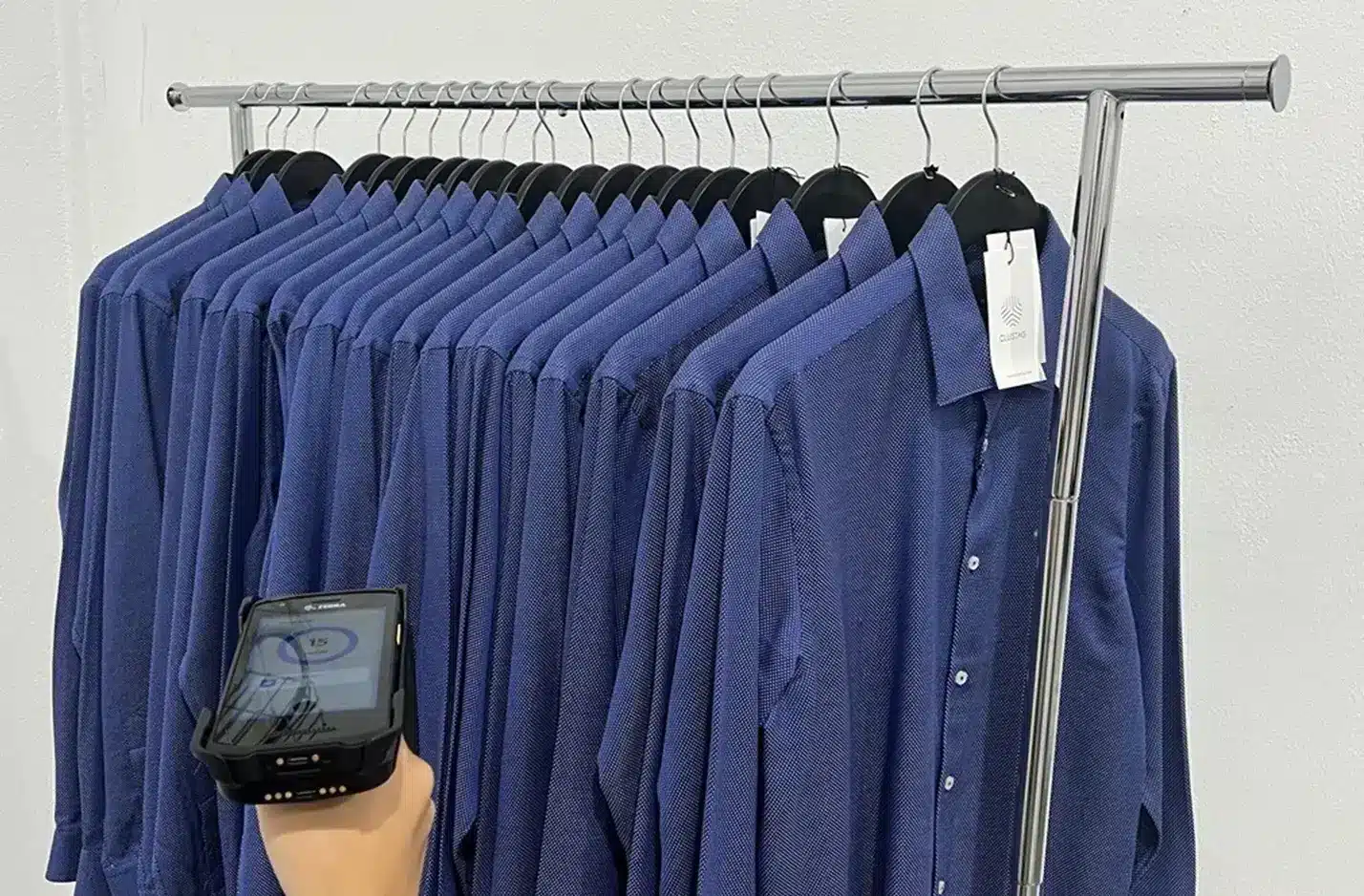
    Tag Inspector is an application that allows professionals to test and analyze RFID tag performance using an RFID‑enabled smartphone, such as the Zebra EM45‑RFID or Zebra TC53e‑RFID.

    In short, it turns smartphones into practical RFID testing tools, without the complexity of traditional RFID equipment.

    How does Tag Inspector work in practice?

    Through a clean and intuitive interface, users can evaluate tags in seconds, both in controlled and real‑world environments.

    With Tag Inspector, users can:

    • Read and write RFID tags
    • Check EPC and barcode data
    • Compare tag behavior
    • Visualize performance through real‑time RSSI charts

    This makes it easier to run technical validations and make data‑driven decisions on the spot.

    What problems does Tag Inspector help solve?

    Tag Inspector simplifies and speeds up RFID validation tasks that are often time‑consuming or hardware‑dependent.

    It helps teams:

    • Validate tag quality and consistency
    • Compare tags from different suppliers
    • Troubleshoot performance issues in real scenarios
    • Reduce reliance on specialized RFID equipment

    All from a single mobile device.

    What are the benefits of smartphone‑integrated RAIN RFID?

    Integrating RAIN RFID into smartphones brings professional RFID capabilities directly to where work happens.

    Key benefits include:

    • Mobility: testing can be done in store, in the field, or in the lab
    • Simplicity: no need for dedicated RFID readers
    • Speed: quick tests and immediate feedback
    • Flexibility: one device for multiple technical tasks

    This is especially valuable in retail, logistics, and technical validation environments.

    Who typically uses Tag Inspector?

    Tag Inspector is designed for a wide range of both operational and technical users. It is commonly used by RFID engineers and R&D teams working on tag performance analysis, as well as by quality and validation teams responsible for ensuring consistency and reliability. Integrators and technical consultants also rely on it during deployments and evaluations, while retail and logistics teams use it on site to validate tags directly in real operating conditions. Thanks to this flexibility, Tag Inspector is useful across multiple stages of an RFID deployment, from early testing to day‑to‑day validation.

    Why did we join the RAIN Alliance?

    We joined the RAIN Alliance to actively contribute to the global ecosystem driving RAIN RFID adoption and standardization.

    Being part of the Alliance allows us to:

    • Stay aligned with industry standards
    • Collaborate with technology partners
    • Support interoperability across devices and platforms

    We believe shared standards accelerate innovation and real‑world adoption.

    Why are RAIN RFID standards so important?

    Standards are what make RAIN RFID scalable and future‑ready.

    They ensure:

    • Interoperability across devices and systems
    • Long‑term compatibility
    • Easier integration of new use cases, like RFID‑enabled smartphones

    By aligning with RAIN standards, we help protect customer investments and simplify collaboration.

    What’s next for Tag Inspector?

    Tag Inspector will continue evolving based on feedback from users, customers, and partners.

    Our focus moving forward includes:

    • New validation and analysis features
    • Enhanced mobile RFID workflows
    • Continued investment in applied R&D

    The goal remains the same: making RAIN RFID easier to test, validate, and use in real operational environments.

  • Store To Store Transfer As A Strategic Capability For Smarter Retail Operations

    Store To Store Transfer As A Strategic Capability For Smarter Retail Operations

    Store to Store Transfer (STS) is no longer a tactical workaround for inventory imbalances. It has become a strategic capability for retailers aiming to operate faster, leaner, and with full control at item level. When executed correctly, store to store transfer allows organizations to rebalance stock dynamically across the network, reduce stock-outs, and protect margins without relying on centralized redistribution flows. Retailers typically redistribute 10–18% of total inventory volume through store to store transfer, making STS a core operational lever rather than an exception.

    In a context where demand volatility is the norm, the backstore plays a critical role. With the right Clustag RFID Solution, it evolves from a passive storage area into an active logistics node that enables accurate, scalable, and fully traceable store to transfer operations.

    Store to store transfer only works at scale when inventory data is trusted, real-time, and validated automatically at item level.

    Why Store to Store Transfer Fails in Traditional Backstore Operations

    Before RFID, STS transfer processes have typically been manual, reactive, and difficult to control. Compromised store-level inventory accuracy causes even well-designed allocation strategies to break down.

    Retailers commonly face structural backstore challenges that directly impact STS execution.

    Structural pain points limiting store to store transfer performance

    These issues are recurrent across fashion and sporting goods retail:

    • Phantom inventory at store level that leads to unreliable transfer decisions
    • Manual picking and shipping processes with high error rates
    • Lack of visibility for items in transit between stores
    • Excessive labor time spent on reconciliation and dispute resolution

    Without automation and real-time validation, STS becomes a cost center instead of a value driver.

    How RFID Transforms STS into a Data-Driven Process

    With Clustag RFID Solutions, store to store transfer shifts from a reactive correction mechanism to a proactive, intelligence-led flow. Each item is uniquely identified, and the backstore becomes a reliable, real-time stock pool that feeds transfer decisions with trusted data.

    This transformation is not only technological but also operational. RFID removes manual scanning, accelerates execution, and eliminates uncertainty at every step of the STS lifecycle.

    RFID-enabled STS in practice

    In an RFID-enabled environment, STS follows a predictable and scalable logic:

    • We continuously monitor inventory levels and sales velocity at store level.
    • The system automatically detects imbalances between stores.
    • We generate transfer proposals using real backstore inventory data.
    • Picking and outbound validation are executed automatically via RFID portals or shielded stations
    • Inbound validation at the receiving store occurs without manual scanning

    The result is a closed-loop STS process with full item-level traceability and real-time inventory synchronization across locations.

    Business Impact of STS Powered by RFID

    When accurate, automated data capture supports store‑to‑store transfers, organizations can clearly measure the operational and financial impact. The following table summarizes the typical outcomes observed when RFID is applied to STS scenarios.

    Operational challengeImpact with RFID-enabled store to transfer
    Inventory accuracy gapsInventory accuracy above 98%
    Frequent stock-outsStock-out reduction of up to 50%
    Manual handling effortManual handling time reduced by 70%
    Picking errorsPicking accuracy improved by 80%
    Excess markdownsMarkdown reduction of up to 30%

    These results demonstrate that STS is not just an operational fix, but a margin-protection mechanism when supported by the right technology.

    Accurate store to transfer execution directly translates into fewer markdowns, higher product availability, and lower operational friction.

    Why Clustag is Purpose-Built for Store to Store Transfer at Scale

    Clustag approaches STS as a system-level capability rather than a standalone use case. Through a co-innovation model, we adapt each deployment to the retailer’s layout, operational constraints, and throughput requirements.

    Key enablers include:

    • Clustag RFID Solutions for automatic validation of full boxes without manual scanning
    • RFID Shield Technology to eliminate cross-reads and ensure clean outbound confirmations
    • Seamless integration with ERP, WMS, and OMS ecosystems
    • Zentup data intelligence to turn item-level events into actionable transfer decisions

    This combination ensures that STS remains fast, accurate, and scalable as store networks grow and demand patterns evolve.

    Turning Store to Store Transfer into a Competitive Advantage

    Retailers that master store to store transfer gain a structural advantage. They respond faster to local demand, reduce dependency on safety stock, and unlock hidden inventory already present in the network.

    At Clustag, we help retailers validate these benefits in real operational conditions. We invite you to experience how STS can be executed with precision using your own products at our Customer Experience Center, or to contact our team to explore how RFID can reshape your backstore operations.

  • Chargeback Reduction with RFID Improves Retail Accuracy and Protects Margins

    Chargeback Reduction with RFID Improves Retail Accuracy and Protects Margins

    For manufacturers and 3PLs, shipping errors are more than just a logistical headache, they are a financial drain. Retailer penalties and dispute costs can quickly erode margins. Achieving significant chargeback reduction requires moving beyond manual checks toward a system of automated, indisputable verification.

    A chargeback is often the price of a lack of evidence. Clustag RFID Solutions provides the digital proof needed to validate every shipment before it leaves the dock.

    By implementing automated outbound verification, organizations can eliminate the root causes of shipping disputes and secure their relationships with major retailers.

    Understanding Chargeback Challenges in Retail Fulfillment

    Managing accuracy across warehouse operations becomes more complex as retail organizations handle diverse product categories and seasonal peaks. Before leveraging digital tools, it is vital to understand the operational risks.

    Common Sources of Discrepancies

    • Manual Picking Routines: Variability in SKUs often leads to picking errors.
    • Labeling Inconsistencies: Incorrect or missing labels trigger retailer penalties.
    • Repetitive Barcode Scanning: A bottleneck that increases the margin for human error.

    The Financial Impact on Retail Margins

    When errors reach their destination, retailers face deductions tied to inaccurate shipments or failed compliance. Each deduction reduces margins and adds an administrative workload for operations, finance, and customer service teams.

    How RFID Supports Chargeback Reduction

    RFID technology has become a key enabler for retail operations seeking higher accuracy and measurable chargeback reduction. With Smart RFID Solutions from Clustag, we transform warehousing into an automated, verified environment.

    Efficiency Comparison: Manual vs. RFID Control

    ProcessTraditional Manual RiskClustag RFID Solutions
    Inbound ValidationPaper-based / SlowInstant PO matching
    Packing AccuracyManual SKU verificationAutomated assortment check
    Outbound ControlSampling / Visual checks100% Automated validation
    Data IntegrityProne to deviationsReal-time digital traceability

    Protecting the Lifecycle of the Retail Shipment

    To achieve sustainable chargeback reduction, precision must be embedded into every touchpoint of the logistics chain:

    • Automated Inbound Validation: Confirm that what arrives matches purchase order expectations before discrepancies flow downstream.
    • Real-time Packing Accuracy: Stations equipped with RFID automatically confirm each carton. Operators receive immediate notifications if an incorrect SKU is detected.
    • Outbound Control: RFID portals positioned at outbound areas validate each carton before it leaves, ensuring orders are complete and correctly routed.

    Precision supports growth. By validating every item and confirming every assortment, we reduce the likelihood of disputes and strengthen reliability across store networks.

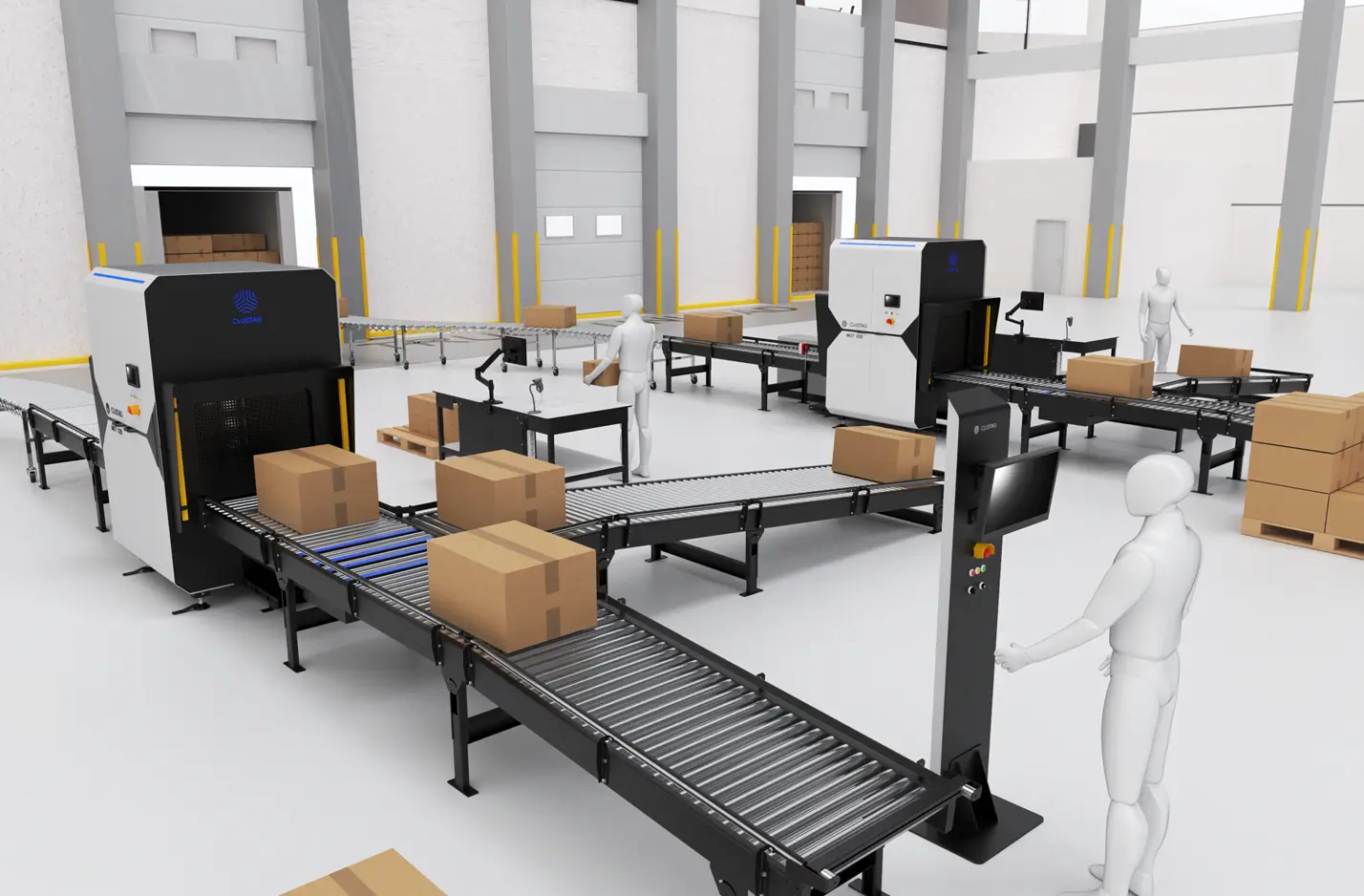
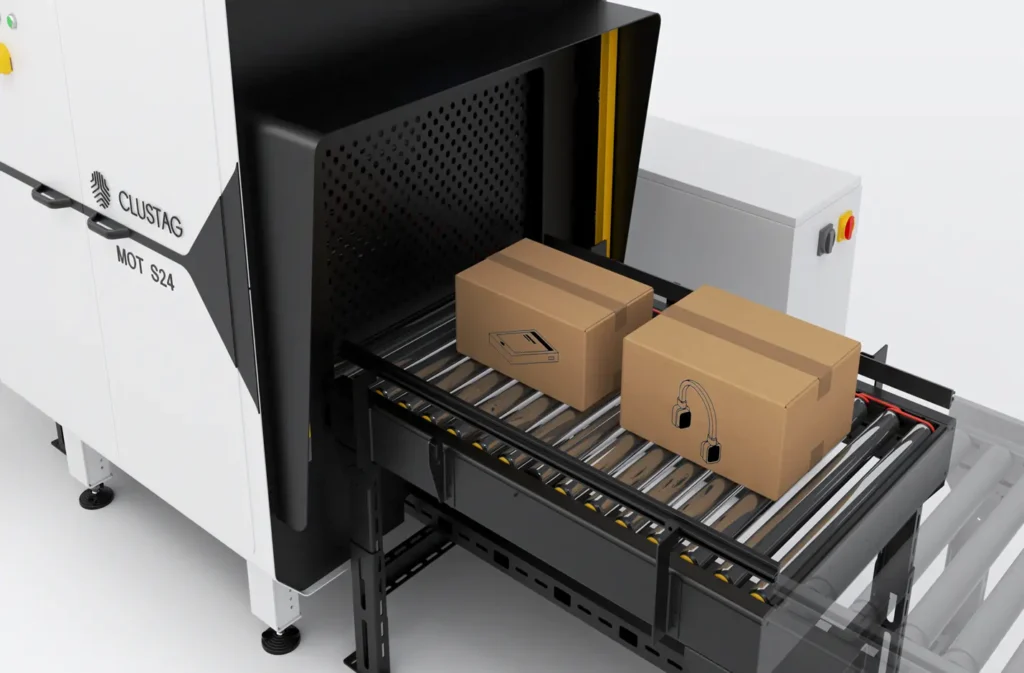
    chargeback reduction with inbound verification using Mot S24 from Clustag RFID Solutions

    Enhancing Operations Through Analytics

    Technology is most effective when paired with strong routines. By combining structured processes with real‑time data, retail organizations can boost execution quality and minimize operational variability.

    • Standardized Workflows: Embed accuracy into daily routines, even during high‑volume seasonal peaks.
    • RFID-powered Analytics: Zentup generates real-time dashboards that highlight patterns in stock deviations or pick errors.
    • Store Alignment: When stores receive error-free deliveries, teams focus on merchandising and customer service rather than resolving discrepancies.

    Building Long-term Financial Resilience with Clustag RFID Solutions

    RFID delivers value far beyond real‑time visibility. It provides the data needed to avoid operational deviations that lead to deductions and financial loss.

    • Operational Integrity: A roadmap for consistent performance and effective chargeback reduction.
    • Enhanced Visibility: Real-time tracking from inbound reception to outbound dispatch.
    • Scalable Work Cycles: Handle higher volumes without compromising quality during product launches or promotions.

    Take Control of Your Retail Efficiency

    We would be glad to help you explore how digital automation enhances operational integrity and reduces financial losses. You can reach us through the contact form and you are also welcome to visit our Customer Experience Center, where we demonstrate our RAIN RFID Solutions in action and discuss how they can support your operational goals.

  • Tailored RFID Store Solutions for Modern Retail Operations

    Tailored RFID Store Solutions for Modern Retail Operations

    In the current retail environment, operational pressure continues to rise as brands face increasing inventory complexity, omnichannel demand, and rapid product rotation. To stay competitive, retailers are increasingly turning to RFID Store Transfer Solution that strengthen accuracy, accelerate workflows, and deliver real-time visibility without adding complexity.

    Our approach focuses on building adaptable, data-driven configurations that simplify store execution and enhance decision-making. By analyzing how each operation truly works, we help teams remove friction, strengthen control, and elevate performance across every store.

    Building Adaptable Systems for Store Performance

    Every store has unique dynamics, layout restrictions, and operational priorities. Rather than applying generic templates, we build flexible configurations that respond to how each store actually functions.

    Understanding Store Dynamics

    Backrooms face constant pressures such as:

    • Variable shipment sizes.
    • Seasonal return peaks.
    • High SKU density.
    • Unpredictable customer demand.

    By observing these patterns, we codesign reading points and validation flows that stay consistent even under fluctuating volumes. Our goal is to ensure every store captures reliable item-level data without interruptions.

    Aligning with Strategic Retail Goals

    Retailers operate with different priorities: sustainability, reduced shrinkage, improved omnichannel accuracy, or faster replenishment. We map our configurations to these priorities, ensuring data consistency from inbound to sales floor and supporting stronger fulfillment and inventory integrity through specialized RFID Store Solutions.

    Designing Solutions That Scale With Your Operations

    A future‑ready store system must evolve over time. For this reason, we create modular RFID configurations powered by a Smart RFID ecosystem that ensures software, devices, and data flows remain synchronized as the business grows.

    • Combining Automation with Human Efficiency: Store teams gain agility when repetitive tasks are removed. Automated read points and verification steps streamline counts and allow staff to focus on customer experience.
    • Superior Accuracy through Item‑Level Insight: RAIN RFID technology elevates store visibility by transforming every product movement into actionable information. With high‑performance reading and real‑time synchronization, retailers reduce errors and reinforce inventory integrity.

    Practical Applications to Strengthen Store Execution

    The true impact comes from selecting configurations that respond to specific operational pain points. Our approach focuses on building RFID Store Solutions that solve real problems rather than applying universal models.

    1. Enhancing Inbound Visibility

    For environments affected by slow manual validation or recurring discrepancies, we deploy streamlined inbound verification setups that confirm item accuracy immediately upon arrival. These configurations:

    • Reduce check‑in times.
    • Prevent errors caused by mislabeled units.
    • Accelerate product availability on the sales floor.

    2. Processing Returns with Speed and Precision

    High return volumes can overwhelm backrooms. We design rapid return‑processing workflows equipped with dependable item‑level checks. This prevents missed sales opportunities, especially for brands managing highly seasonal assortments.

    3. Maintaining Real‑Time Stock Awareness

    For locations with large assortments or frequent movement, we implement item‑location scanning routines that help teams detect missing units early. These routines are tailored to each store’s layout, supporting better omnichannel execution.

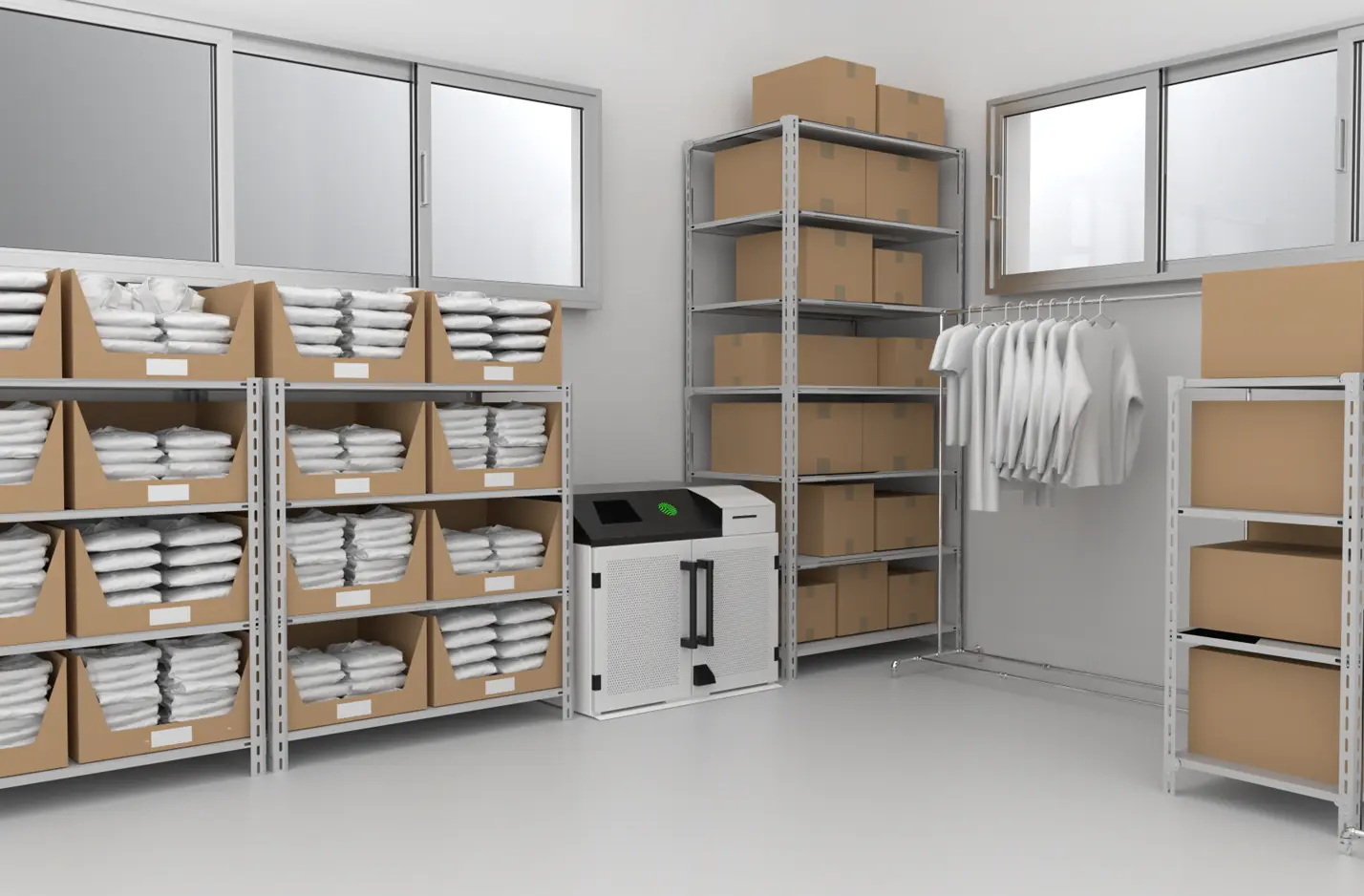
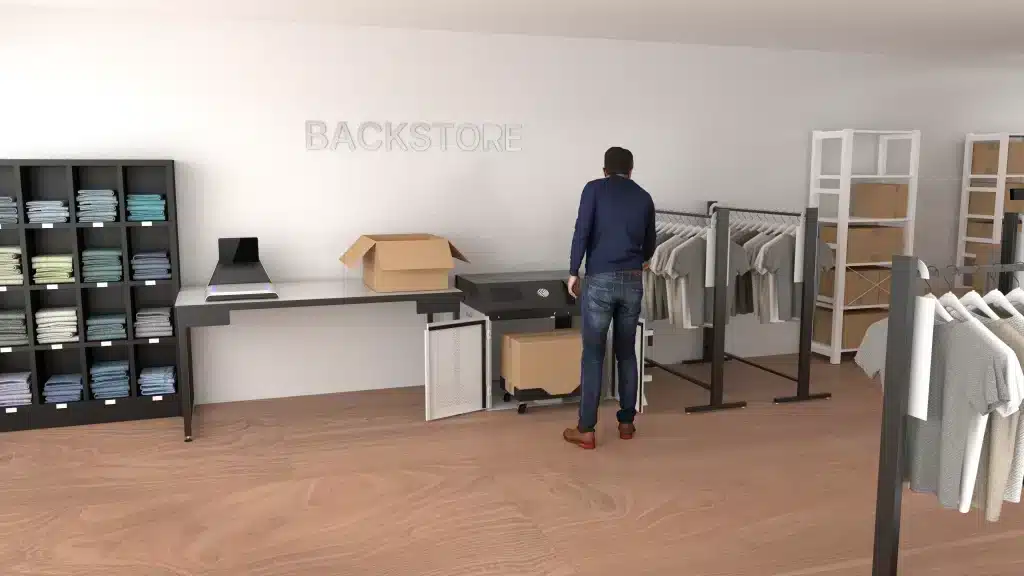
    Backroom workflow with an RF Surface validation station and Sabi Station processing inventory in a retail backstore environment.

    Creating Value Through the Smart RFID Ecosystem

    Our holistic approach ensures every device, software module, and reading point reinforces the others through a unified architecture.

    • Seamless Enterprise Integration: We ensure every read point aligns with the retailer’s ERP, POS, and e-commerce systems.
    • Operational Evolution: Modular configurations enable retailers to expand functionality or add new read points as campaign cycles and product assortments shift.

    Drive Measurable Impact with Personalized Innovation

    Improving store workflows requires more than deploying technology. It demands a careful study of product behavior, customer journeys, and process rhythms.

    If you are ready to enhance accuracy, visibility, and operational flow across your stores, we invite you to contact our team and explore how a personalized RFID strategy can empower your retail operations.

  • Outbound verification: Your shield against chargebacks

    Outbound verification: Your shield against chargebacks

    Why outbound verification matters for retail compliance

    Wholesale operations with major retailers likeNordstrom, Macy’s, and Walmart demand strict compliance with shipping standards. Any non-conformity,such as incorrect quantities, missing RFID tags, or misaligned labeling , can trigger chargebacks, costly returns, and strained relationships. In a margin‑sensitive market, avoiding these penalties is critical.

    Retailers have issued RFID mandates to suppliers, requiring item-level tagging and GS1/EPC compliance to ensure visibility and accuracy across the supply chain. Failure to comply can lead to financial penalties and even loss of vendor status

    “Outbound verification is not just a technical step, it’s the last safeguard before goods leave the warehouse. Automating this process with RFID ensures compliance and protects margins.” Manolo Reguart

    The Challenge: The risks of skipping outbound verification in wholesale operations

    Outbound verification is the final checkpoint before goods leave the distribution center. Manual checks are slow, error‑prone, and incompatible with high‑volume environments.

    Key risks include:

    • Incorrect item counts or SKU mismatches
    • Missing or unreadable RFID tags
    • Packaging errors violating retailer specifications

    Impact:

    • Chargebacks and financial penalties
    • Operational inefficiencies due to rework and returns
    • Loss of trust with strategic retail partners

    According to GS1 standards, EPC/RFID compliance is essential for traceability and retail mandates.

    Meeting retail mandates and GS1 Standards

    Clustag delivers an advanced RFID ecosystem designed for automated outbound verification, integrating seamlessly with ERP/WMS systems and supporting both manual and automated workflows.

    Core Features of RFID outbound verification

    • Item‑Level Accuracy: Reads thousands of RFID tags in seconds, ensuring 100% verification before sealing
    • RFID‑Shield Technology: Prevents cross‑reading between pallets and boxes
    • Real‑Time Alerts: Immediate notifications for discrepancies between shipment and order data
    • Scalable Integration: Works with conveyor systems, AGVs, and manual packing stations

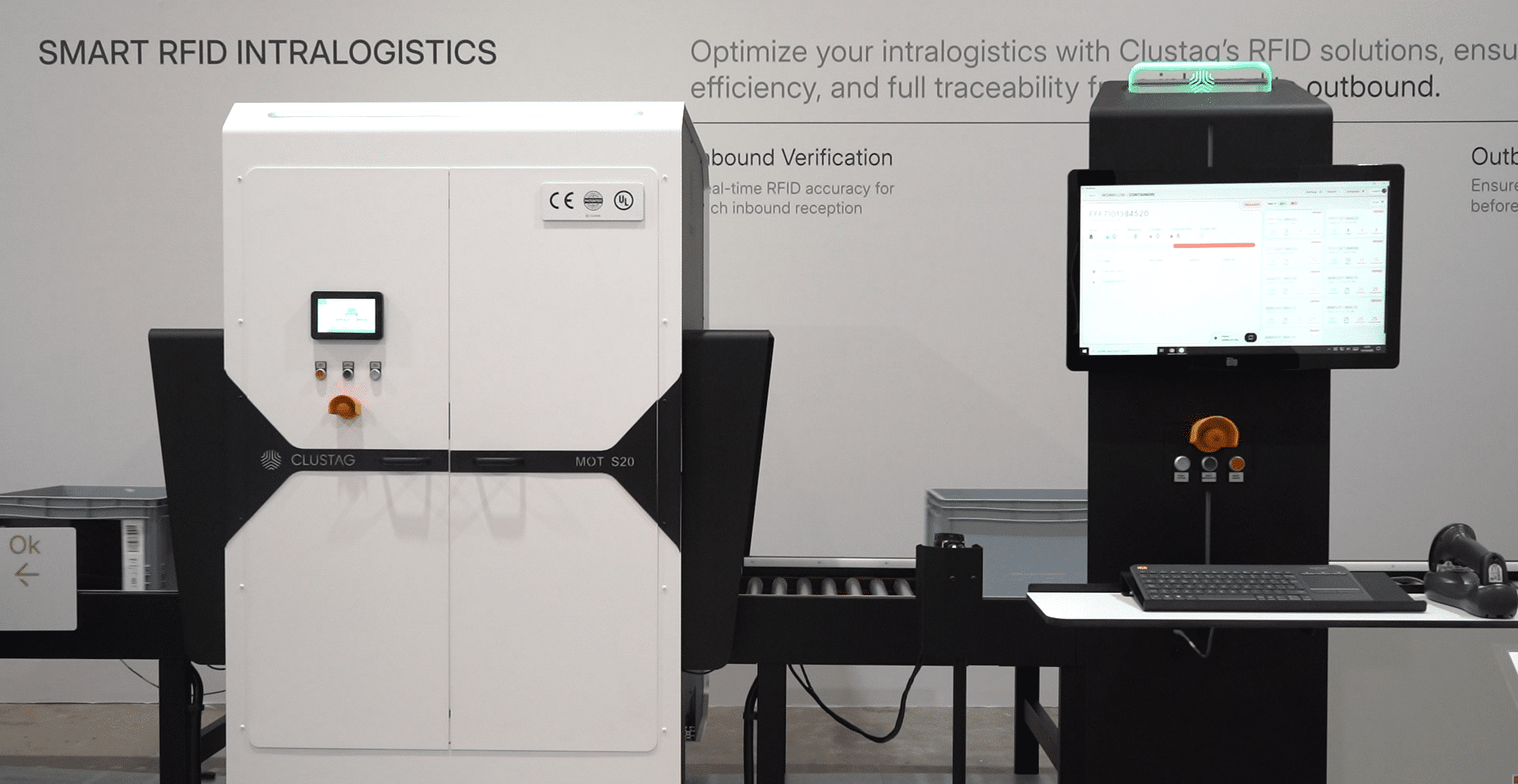
    Our flagship device, the Clustag MOT S20 Station, guarantees item‑level accuracy at speed. For high‑volume environments, Bulk Stations and Audit Plus Stations provide flexible options for outbound workflows.

    “Our MOT Station proves that precision matters. When the gates close, the system reads only what’s inside, without any stray readings, without errors. That’s how we guarantee item‑level accuracy with our RFID-Shield technology”, Manolo Reguart

    The solution: KPIs That Prove Outbound Verification Delivers Results

    Clustag solutions align with GS1 EPC standards and meet retail mandates, reducing the risk of non‑compliance and penalties. This ensures shipment conformity and builds trust with strategic retail partners.

    Implementing RFID solutions for outbound verification delivers measurable benefits:

    • >99.8% Accuracy in shipment validation
    • Zero chargebacks related to outbound errors
    • Reduced labor costs through automation
    • Enhanced retailer confidence, strengthening long-term partnerships

    For wholesale operations with Nordstrom, Macy’s, Walmart, and similar retailers, Clustag ensures:

    • Chargeback prevention by guaranteeing shipment conformity
    • Operational efficiency during peak seasons (e.g., Black Friday, holiday sales)
    • Global scalability, supporting omnichannel strategies across multiple regions

    Experience RFID verification live at the Clustag Experience Center

    Outbound verification isn’t optional, it’s a strategic necessity. By adopting Clustag RFID solutions, brands protect margins, maintain compliance, and build stronger relationships with wholesale partners.

    Ready to see it in action? Visit the Clustag Experience Center and discover how we manage outbound verification with real‑time RFID systems.

  • RFID in fashion during Black Friday helps you optimize returns and recover sales

    RFID in fashion during Black Friday helps you optimize returns and recover sales

    Black Friday is no longer just a date on the calendar. It has become the biggest logistics challenge of the year for the apparel and fashion sector. In this context, RFID in fashion during Black Friday helps brands manage inventory more efficiently, optimize Black Friday returns, and recover sales that would otherwise be lost. Every minute counts. Any item missing from stock means a lost sales, and in a competitive market, delays push customers toward competitors.

    Retailers face a dual challenge. They must manage high sales volumes while also processing a large number of returns without affecting stock availability. As the holiday season approaches, pressure increase. This makes fashion inventory management with RFID essential for operational success.

    The challenge of returns in fashion during Black Friday

    Returns are a growing reality in e-commerce, and the fashion industry is particularly affected. According to the 2025 Annual Returns Benchmark Report for Spain, prepared by ZigZag in collaboration with Retail Economics, the value of online returns in Spain is expected to reach €13.3 billion by 2025. During campaigns like Black Friday, consumers may return up to 35% of their purchases, creating a logistical bottleneck for retailers.

    A common practice known as bracketing, buying multiple sizes or colors only one, make the situation even more challenging. Over 60% of online fashion shoppers admit to doing this, multiplying the volume of returns and putting pressure on order preparation processes and retail reverse logistics.

    The economic impact is significant: in Europe, operational costs associated with returns can reach up to 66% of the product’s value. Any delay in reintegrating a returned item into inventory translates into lost sales that end up in competitor’s hands. In addition, delayed returns can lead to inaccurate stock data, causing issues with online availability and in-store replenishment, ultimately affecting customer satisfaction and brand reputation.

    From 72 to 8 hours: the speed of fashion inventory management with RFID

    Historically, a returned item could take up to 72 hours to be reintegrated into stock. Thanks to RFID in fashion during Black Friday, brands can reduce this time to less than 8 hours. This technology, based on smart tags that can be read remotely, allows every item to be tracked in real time, even during the return process.

    Complete inventory visibility transforms retail reverse logistics: it creases to be an unavoidable cost and becomes an additional sales opportunity. Each item quickly returned to the store or online inventory means satisfied customers and recovered sales. Moreover, RFID helps retailers avoid stock discrepancies, allowing them to plan better promotions, restock efficiently, and make data-driven decisions during peak sales, periods.

    By reducing reintegration times, brands can also manage high-demand products more effectively. For example. If a popular jacket is returned in the morning, it can be back online or ins-tore by the afternoon, ready for another customer who might have otherwise missed the opportunity to purchase it.

    Clustag recovers sales in record time

    The Spanish tech company Clustag has demonstrated how RFID in fashion during Black Friday can make a measurable difference. During the latest European campaign, their solutions allowed the reintegration of 20 million returned items in record time.

    The economic outcome was clear: their clients recovered more than €600 million in sales that would have otherwise been lost to competitors.

    Luis Rius, CEO of Clustag explains: “During campaigns like Black Friday or Christmas, every minute counts. Our technology allows returns to be processed and available for sale almost immediately, preventing customers from turning to competitors. It’s not just about optimization. It’s about ensuring an impeccable customer experience.”

    By combining speed with accuracy, Clustag ensures that retailers can handle even the most complex holiday peaks without compromising service quality or losing revenue.

    Optimizing Black Friday returns to improve customer experience

    The benefits of RFID go beyond speed. In an omnichannel environment, where consumers expect to buy online and return or pick up products in-store seamlessly, fashion inventory management with RFID becomes a strategic asset. Its advantages include:

    • Intelligent stock redistribution between physical stores and online channels. Retailers can decide in real time whether returned items should go back to the closest store or to the central warehouse.
    • Improved product availability, with returns reintegrated almost immediately, ensuring customers find what they want without frustration.
    • Reduced losses from delayed returns reintegrated almost immediately, ensuring customers find what they want without frustration.
    • Reduced losses from delayed returns, preventing customers from shopping elsewhere.
    • Optimized customer experience, increasing loyalty. Consumers are more likely to shop with brands that provide fast, reliable, and transparent return processes.

    Thanks to this, optimizing Black Friday returns cases to be a challenge and becomes a competitive advantage for fashion brands. Retailers can even promote their fast return capabilities as part of their marketing campaigns, turning what was traditionally a pain into a selling point.

    Why RFID in fashion during Black Friday is key for the future

    The fashion market is constantly evolving, and logistics has become a strategic factor. The ability to process returns quickly and keep inventory updated in real time determines the difference between a successful campaign and lost opportunities.

    RFID in fashion during Black Friday offers a triple benefit:

    1. Operational efficiency: less time lost on returns, freeing staff to focus on other critical tasks.
    2. Sales recovery: each item reintegrated quickly means recovered revenue and minimized lost opportunities.
    3. Enhances customer experience: fast returns and guaranteed availability increase loyalty and build long-term brand trust.

    In a market where consumers are increasingly demanding, RFID becomes an essential tool to maintain relevance and competitiveness. It also supports data-driven decision-making, allowing retailers to anticipate demand trends, prevent stockouts, and optimize inventory across multiple channels.

    Make the most of Black Friday with Clustag

    Don’t let returns slow down your sales this Black Friday. With RFID in fashion during Black Friday, Clustag helps you optimize Black Friday returns, recover stock, and ensure every item is available to your customers in record time.

    Discover how our solutions can transform your retail reverse logistics, improve fashion inventory management with RFID, and turn returns into sales opportunities. This Black Friday, sell more, sell faster, and keep your customers satisfied with Clustag.

    Visit Clustag’s customer experience centre

    Visit our Customer Experience Centre to see our solutions in action and experience the speed, accuracy, and traceability that Clustag can bring to your warehouse. To explore how our RFID solutions can be tailored to your specific needs, fill out our contact form and one of our experts will guide you through a personalized demonstration. Don’t miss the opportunity to optimize your warehouse processes and take your order preparation to the next level.

  • How RFID transforms returns processing and prevents e-commerce stockouts

    How RFID transforms returns processing and prevents e-commerce stockouts

    Reverse logistics has become one of the biggest black holes in modern ecommerce. While commercial teams push massive campaigns and promotions the reality in the warehouse moves at a different pace: thousands of products are returned every day, and most take too long to be restocked and made available online. Implementing RFID returns processing with Inbound Verification and RFID for returns can help close this gap, ensuring returned items are quicky visible online and reducing lost sales.

    This gap is especially critical in premium fashion, where top-selling items have very short sales cycles. Clara’s story illustrates how slow returns processing can turn a physical available product into a lost online sale.

    Slow returns processing and delayed restocking

    Madrid, December 12th.

    Clara knew exactly what to give for Christmas: a limited-edition camel jacket she had seen weeks earlier on her favourite brand’s website. After Black Friday, it appeared as “sold out”. But she trusted that typical December returns would make it available again.

    What Clara didn’t know was that the jacket she wanted had already been returned to the warehouse on December 9th. However, it hadn’t been processed yet. The warehouse used a manual returns processing workflow: opening the package, validating the label, checking condition, re-tagging, updating systems. During the post-Black Friday surge, this process took 72 hours.

    On December 11th, Clara checked the website again. It was still sold out. With Christmas approaching, she bought an alternative from another brand.

    For her, it was just a practical decision. The company, however, lost a sale. Meanwhile, the competition gained a customer.

    The impact of stockouts during peak season

    These situations are not exceptions; they are constant during peak periods. For a premium fashion brand with a strong online channel, the impact is huge:

    • Approx. 10.000 returns between Black Friday and Christmas
    • 40% are high-rotation items
    • Average price €90

    Sales that never happen, because the item is in the warehouse but not online, represent €540.000-€720.000 in lost revenue over three weeks.

    This is not a commercial failure or poor planning: it is an operational problem. And this is where RFID returns processing and RFID reverse logistics make a difference.

    How returns processing affects online stock availability

    Before diving into solutions, it is important to understand how the returns process itself affects online stock availability. Most traditional systems create a time gap between what exists physically and what is shown digitally. This gap is the root of “phantom sales” that never happen.

    Out of stock due to returns

    When a return takes days to be restocked, the e-commerce marks the item as sold out. This hides hundreds of items from customers that are physically in the warehouse. A delay of 48 and 96 hours can make the difference between selling a product or losing it forever to the competition.

    Customer frustration is evident, but the economic impact is even greater: an invisible product is an unsellable product.

    Inventory visibility issues

    Additionally, manual workflows create other critical problems:

    • Discrepancies between physical and digital inventory
    • Distorted demand forecasts
    • Inefficient replenishment
    • Overproduction to cover perceived “out of stock” that is not real

    The result is a less competitive ecommerce and higher operational costs. The solution is not more stock, but better inventory visibility, which RFID returns processing enables.

    What RFID brings to reverse logistics and returns processing

    To bridge the gap between the warehouse and ecommerce, brands are adopting item-level RFID, especially in the returns workflow known as Inbound Verification. This technology transforms a slow operation into a reliable, fast, and automated process.

    RFID returns processing explained

    With RFID, each item has a unique identifier. In a return, the system can:

    • Read the item without handling it
    • Validate its authenticity
    • Check category, size, and price
    • Detect anomalies or fraud
    • Update stock in seconds

    The key difference is that everything happens automatically, reducing errors and accelerating product availability through automated returns processing.

    Automated vs manual returns workflows

    The contrast between the two approaches is clear:

    Manual

    • 3-5 minutes per item
    • 48-72 hours for restocking
    • Labor-intensive
    • Frequent errors
    • Delayed e-commerce updates

    RFID with Inbound Verification (Clustag):

    • Process completed in seconds
    • Restocking in less than 6 hours
    • No package opening
    • No human errors
    • Stock updated almost in real time

    The result is clear: a product is back online the same day it arrives at the warehouse.

    RFID tunnel solutions for high-speed returns handling

    The use of specialized RFID tunnels enables this speed to become a reality. Solutions like those offered by Clustag automate returns validation and eliminate almost all manual handling.

    How RFID tunnel reading accelerates reintegration

    The process is simple for warehouse staff but powerful for the brand:

    1. The returned box is placed in the tunnel.
    2. The system reads all RFID tags simultaneously (RFID tunnel reading).
    3. It validates authenticity and SKU matching
    4. It detects any discrepancies.
    5. Stock is updated automatically.

    These massive reads, hundreds per minute, reduce restocking time from 72 hours to just 6.

    This cuts typica sales losses of 15-20% to 2-3%, potentially recovering up to €600.000 during peak campaigns.

    How RFID prevents stockouts in fashion and e-commerce

    Availability is key to online performance. An e-commerce that reflects in real time what happens in the warehouse can capture sales that would otherwise be lost.

    How item-level RFID prevents stockouts

    Full inventory visibility allows:

    • Returned items to be restocked the same day
    • Stock balance between stores and online
    • Prevention of apparent stockouts (stockouts e-commerce)
    • Maximized ecommerce conversion
    • Reduced safety stock needs

    Reliable inventory equals profitable inventory.

    Reducing lost sales with RFID

    The most direct benefit of reducing lost sales with RFID is recovered sales:

    • More availability = more conversion
    • Fewer OOS (out-of-stock) = fewer lost sales to competitors
    • Greater accuracy = less overproduction

    As Ferran Bodí, Clustag’s RFID manager, summarizes:

    “During critical campaigns, every minute counts. RFID turns returns into opportunities, not losses.”

    Peak season pressure: Black Friday and Christmas as stress tests

    Black Friday and Christmas are the critical weeks when a brand is truly tested. High demand and a surge of returns put reverse logistics to the rest: if return processing fails, lost sales multiply and customer experience suffers.

    During these periods, every minute matters. A 48–72-hour delay in restocking can mean returned items are not visible when customers want to purchase them. This not only frustrates customers but directly impacts revenue, diverting sales to competitors.

    RFID for Christmas peak season

    RFID technology changes the rules. With automated return reading, items can be restocked in hours, not days (RFID for Christmas peak season), keeping them available online even during peak season.

    In Clara’s case, the story would have been very different: the jacket she wanted would have returned to stock on December 9th, and she would have seen it available on December 11th. The sale would have been completed, her experience would have been positive, and the competitor would not have gained a customer. This example shows how RFID returns processing ensures that every return can become a sales opportunity rather than a loss.

    ROI of RFID in reverse logistics

    Beyond improving stock availability and customer experience, implementing RFID reverse logistics delivers clear, measurable financial returns, especially in fashion and e-commerce.

    Key benefits include:

    • Recovered sales because returned items become immediately visible online
    • Reduced labor in manual verification and restocking processes
    • Reliable inventory with fewer discrepancies between physical and digital stock
    • Fraud and grey market prevention, ensuring item-level traceability
    • Optimized stock across the networks, avoiding overproduction or unnecessary purchases

    As Clustag point out:

    Item-level traceability not only prevents errors, but it also stops fraud and the grey market.”

    Thanks to these advantages, most implementations achieve ROI in less than 12 months, showing that investing in RFID not only improves operations but protects and increases sales during critical campaigns.

    Turning returns into opportunities with Clustag

    After implementing RFID and achieving measurable ROI, the next step is turning every return into a real sales opportunity.

    With Clustag’s RFID technology, brands can:

    • Process returns in seconds instead of days (automated returns processing)
    • Update online inventory almost immediately
    • Reduce apparent stockouts and lost sales
    • Improve customer experience by ensuring the product they want is available

    Each returned item can become a sales opportunity rather than a loss

    Discover how Clustag can transform your returns management and ensure your products are always available to your customers.

    Visit our Customer Experience Centre to see our solutions in action and experience the speed, accuracy, and traceability that Clustag can bring to your warehouse. To explore how our RFID solutions can be tailored to your specific needs, fill out our contact form and one of our experts will guide you through a personalized demonstration. Don’t miss the opportunity to optimize your warehouse processes and take your order preparation to the next level.

    See how RFID technology speeds up your reverse logistics.