

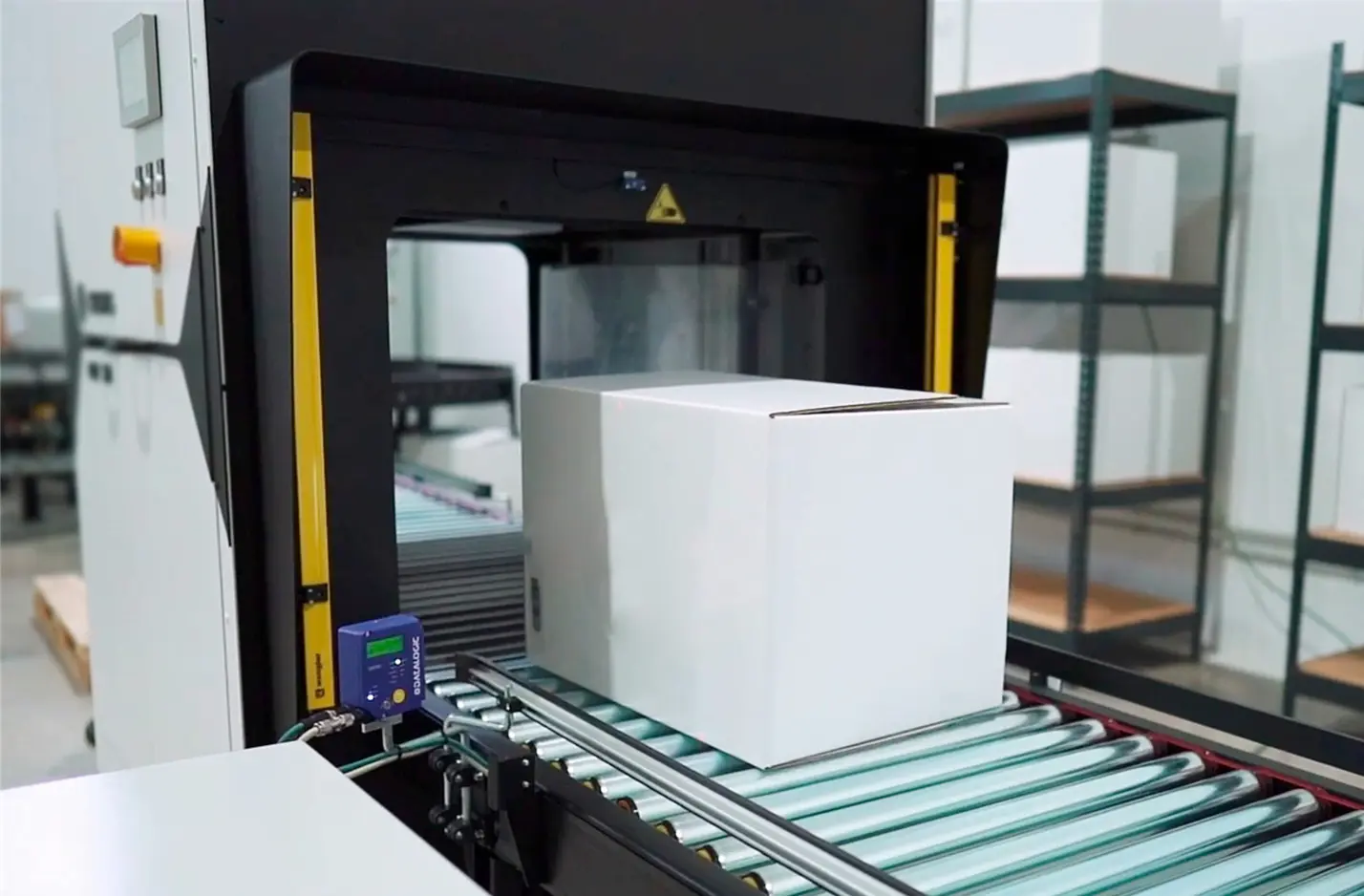
Proof of Concept (PoC) validation is one of the most effective ways to reduce risk, avoid unnecessary costs, and ensure a successful project rollout. While laboratory testing and controlled demonstrations provide valuable insights, nothing compares to testing a solution in the real operational environment where it will ultimately be deployed.
At Clustag, we strongly believe that every RFID, automation, or data intelligence project should be validated under real operating conditions whenever possible. A well-executed PoC allows us to identify limitations, optimize performance, and uncover hidden challenges before significant investments are made.
The earlier a problem is detected, the lower the cost of fixing it.
In fact, internal Clustag testing procedures already emphasize the importance of working with real products and real operational conditions during validation stages, ensuring that solutions can be verified before entering production.
Why PoC testing matters
A PoC is not simply a technical check. It is a business decision that helps organizations validate assumptions and reduce uncertainty before committing to a full-scale implementation.
By testing a solution in advance, we can:
- Verify that the technology performs as expected.
- Detect environmental factors that could affect performance.
- Identify operational bottlenecks.
- Optimize workflows before deployment.
- Reduce implementation risks.
- Improve user adoption.
- Avoid costly redesigns and modifications.
When technologies such as RFID are involved, real-life conditions often introduce variables that cannot be fully replicated in a laboratory environment.
PoC testing with real products delivers more reliable results
Many companies initially test solutions using samples or standard products. While this approach can provide useful indications, it does not always reveal the challenges presented by actual operations.
Real products may differ in:
- Packaging materials.
- Product density.
- Metal content.
- Liquid content.
- Orientation and stacking methods.
- Storage and transport conditions.
These variables can significantly impact RFID performance and automation processes.
This is why we recommend validating solutions using the exact products, containers, pallets, or assets that will be used during daily operations. This methodology is also reflected in Clustag testing plans, which require the availability of real products during validation activities.
Testing at Clustag versus testing in the real environment
Our Customer Experience Center is an excellent place to evaluate concepts, demonstrate technologies, and perform initial feasibility studies.
However, there is a fundamental difference between a controlled environment and a production facility.
| Testing at Clustag | Testing in the real environment |
|---|---|
| Fast initial validation | Real operational validation |
| Controlled conditions | Real-world challenges |
| Ideal for concept demonstration | Ideal for decision-making |
| Simulated product flows | Actual product flows |
| Limited infrastructure variables | Real infrastructure variables |
| Reduced environmental interference | Actual operational interference |
Both approaches provide value, but the highest confidence level is achieved when the PoC is executed under real operating conditions.
Why real environments reveal hidden risks
Even when a solution performs perfectly in a controlled setting, unexpected variables may emerge on-site.
Examples include:
- Metal structures causing RFID signal reflections.
- Reader placement limitations.
- Forklift traffic interference.
- Unexpected product configurations.
- Human operational habits.
- ERP or WMS integration constraints.
Identifying these factors before deployment allows corrective actions to be implemented while costs are still manageable.
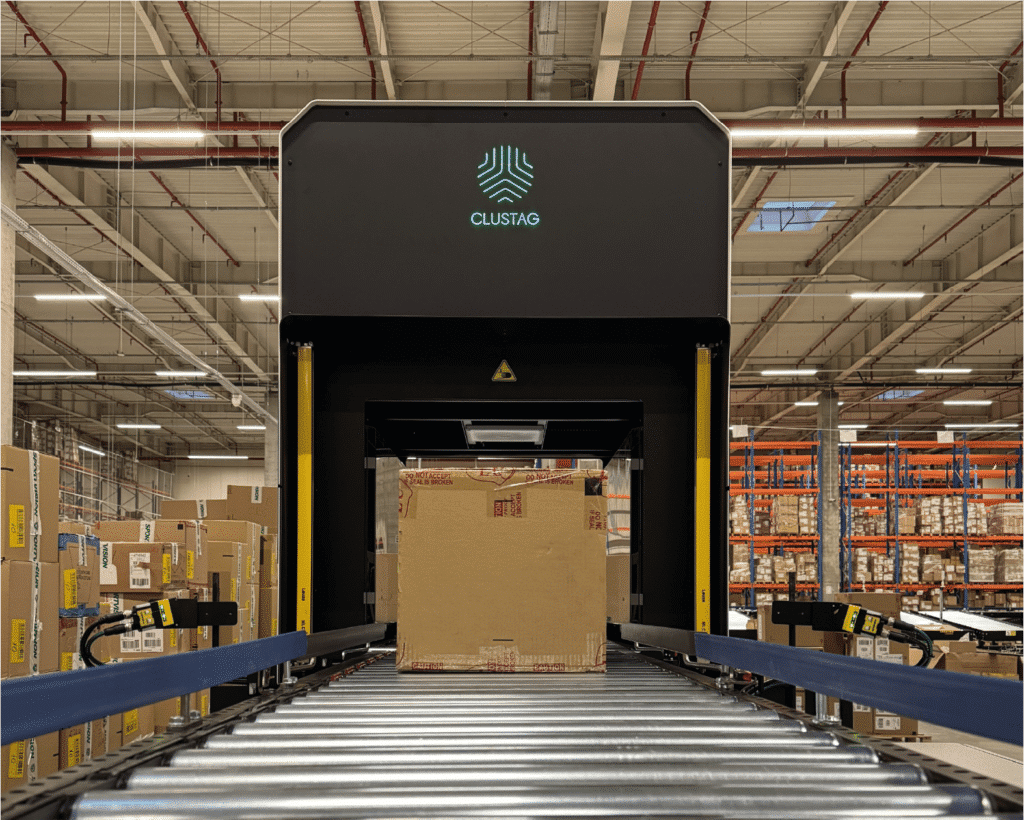
How Clustag technologies strengthen the PoC process
A properly designed PoC can do much more than simply validate reading performance.
Clustag RFID Solutions validate operational feasibility
Our RFID systems help organizations confirm that tracking, identification, and automation requirements can be achieved before scaling the project.
This enables decision-makers to move forward with confidence and clear performance expectations.
Zentup transforms test data into business intelligence
During a PoC, massive amounts of operational information can be generated.
With Zentup, organizations can:
- Visualize performance indicators.
- Measure process efficiency.
- Detect operational anomalies.
- Compare different test scenarios.
- Quantify expected improvements.
Instead of relying on assumptions, decisions can be supported by data.
RFID Shield Technology eliminates stray-read risks
One of the most common challenges in RFID environments is the appearance of unwanted reads from nearby products or adjacent operational areas.
RFID Shield Technology helps mitigate stray reads and creates a more controlled and reliable testing environment, ensuring that PoC results accurately represent the intended process.
00 in PoC optimization avoids more than €25,000 in post-deployment corrections while accelerating the path to operational success.
The real value of a PoC
The true objective of a PoC is not to prove that a solution works.
The objective is to discover everything that could prevent it from working perfectly before the final implementation begins.
Organizations that validate projects in real conditions gain:
- Greater confidence in investment decisions.
- Faster deployment timelines.
- Reduced operational risk.
- Improved ROI.
- Higher stakeholder acceptance.
Most importantly, they avoid surprises when the solution enters production.
If you are evaluating an RFID, automation, or data intelligence project, we invite you to contact our team or visit our Customer Experience Center. Better yet, bring your own products and let us validate the solution together under real operating conditions before your final deployment decision.