As peak season approaches, warehouse ready for peak season becomes one of the most important questions for eCommerce and logistics leaders. From Black Friday and Cyber Monday to the Christmas shopping rush, fulfillment operations face an enormous challenge: handling significantly higher order volumes without sacrificing accuracy, customer satisfaction, or profitability.
Every year, warehouses experience the same dilemma. More orders mean more pressure on picking teams, more opportunities for shipping mistakes, more returns, and higher operational costs. Yet increasing headcount is becoming increasingly difficult and expensive.
This is where RFID technology is transforming eCommerce fulfillment. By enabling real-time item identification, automated validation, and accurate inventory visibility, RFID helps operations scale efficiently while reducing the costly errors that typically accompany peak-demand periods.
The most successful eCommerce operations are not the ones that hire the most people during peak season. They are the ones that eliminate manual errors before they happen.
Why peak season exposes warehouse inefficiencies
The final quarter of the year acts as a stress test for every fulfillment operation. Processes that work reasonably well during normal periods often begin to break down when order volumes multiply.
During seasonal campaigns, warehouses typically face:
- Increased order volumes within short periods
- Greater workforce turnover and temporary staff onboarding
- Higher pressure to meet service-level agreements
- Increased risk of picking and packing errors
- More customer service incidents
- Higher return rates
- Rising labor costs
These challenges create a direct impact on profitability.
| Peak Season Challenge | Operational Impact | Business Consequence |
|---|---|---|
| Picking mistakes | Incorrect orders shipped | Customer complaints |
| Packing errors | Rework and audits | Increased labor costs |
| Shipment discrepancies | Wrong deliveries | Chargebacks and returns |
| Slow returns processing | Delayed restocking | Lost sales opportunities |
| Limited visibility | Inventory inaccuracies | Stockouts and overselling |
For many organizations, the solution is not simply adding more labor. Instead, they need smarter workflows and technologies that improve productivity and accuracy simultaneously.
How RFID improves order preparation during peak season
Order preparation is one of the most labor-intensive and error-prone processes inside any eCommerce fulfillment center.
When operators rely on manual verification, barcode scanning, or visual checks, the probability of errors increases significantly as workload rises.
Faster item identification with RFID
Unlike barcode technology, RFID allows multiple items to be identified simultaneously without line-of-sight scanning.
This means operators can verify products instantly, accelerating the picking and preparation process.
Key advantages include:
- Instant item recognition
- No need for individual barcode scanning
- Simultaneous reading of multiple products
- Reduced operator handling time
As order volumes increase, these time savings become highly significant across thousands of daily orders.
Real-time operator assistance powered by Zentup
Technology becomes even more valuable when it actively supports warehouse staff.
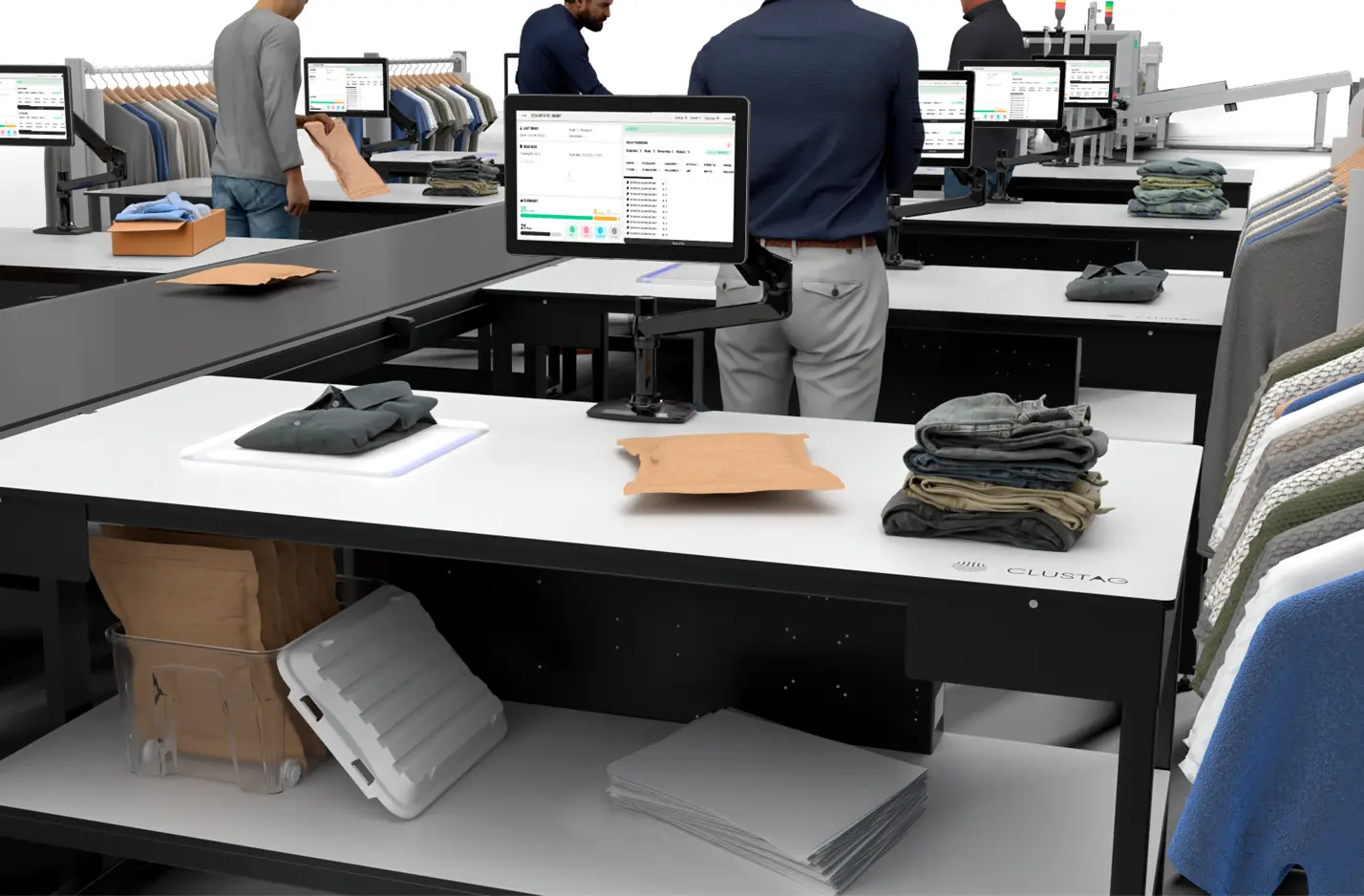
Clustag’s RFID-enabled workstations, powered by Zentup Workflow, guide operators in real time throughout the preparation process.
The system provides visibility into:
- Expected items
- Missing products
- Unexpected products
- Excess items
- Order completion status
This real-time assistance helps reduce human error while improving productivity.
RFID order preparation accuracy
A successful peak season requires consistent accuracy, even when temporary staff are introduced.
RFID-enabled preparation stations help standardize operations by automatically validating the content of each order.
Benefits include:
- Improved picking accuracy
- Reduced training requirements
- Faster onboarding of temporary workers
- Consistent operational performance during demand spikes
How RFID shipping validation prevents costly delivery errors
Even when picking is completed correctly, errors can still occur before shipment.
Many retailers discover mistakes only after customers report the issue.
At this point, the costs multiply quickly.
RFID shipping validation before dispatch
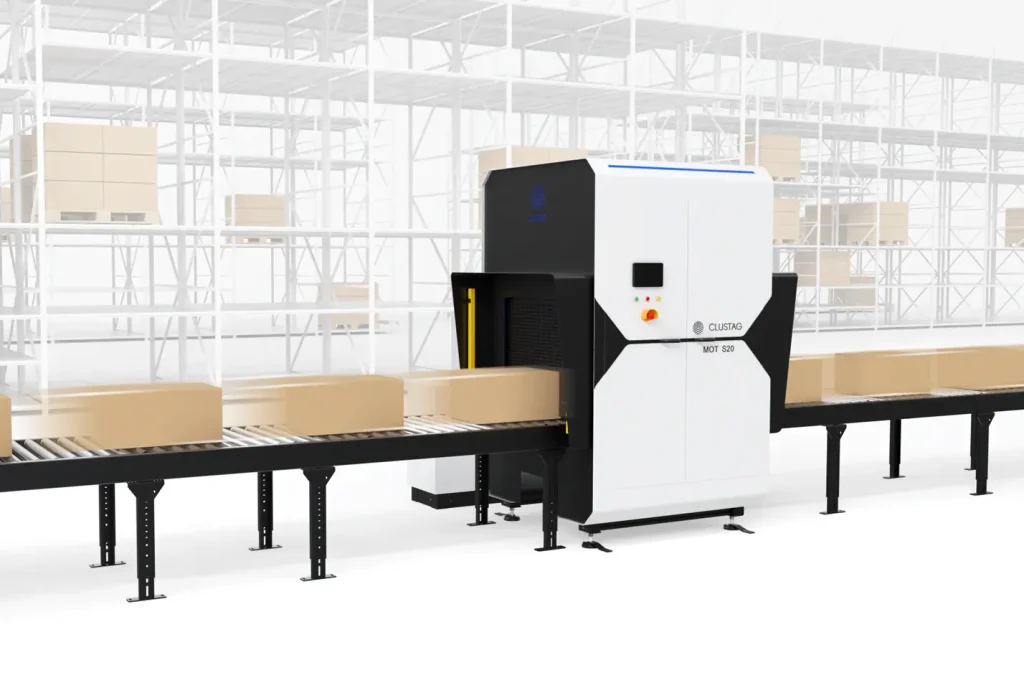
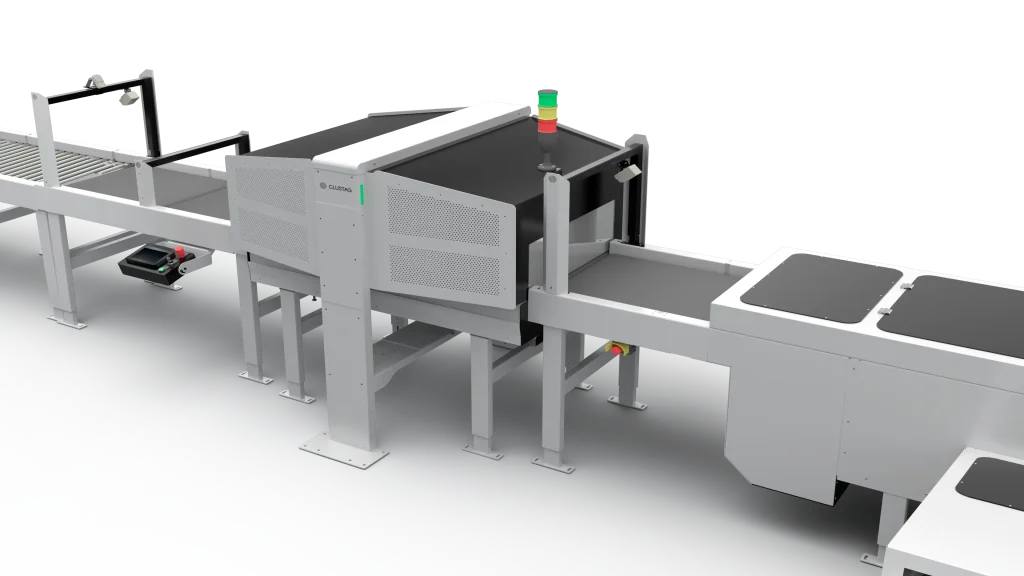
One of the biggest advantages of RFID is the ability to perform a final verification before the parcel leaves the warehouse.
Instead of manually auditing a small percentage of shipments, RFID enables automated validation of every order.
The system compares the actual parcel contents against the expected order information.
This process helps identify:
- Missing items
- Wrong products
- Extra items
- Shipment mismatches
The role of RFID-Shield Technology
One challenge in high-volume RFID environments is the risk of stray reads.
External tags located near the reading area can interfere with data accuracy if not properly controlled.
This is precisely why Clustag developed RFID-Shield Technology.
RFID-Shield Technology creates a controlled RFID reading environment that minimizes interference and unwanted readings.
Benefits include:
- Elimination of cross-reads
- Higher read accuracy
- More reliable validation processes
- Consistent performance in high-throughput operations
Accurate shipping validation is not just about reducing mistakes. It is about protecting customer trust during the most important sales period of the year.
Business benefits of automated shipment verification
| Manual Validation | RFID Validation |
|---|---|
| Random audits | 100% shipment verification |
| Human-dependent | Automated process |
| Time-consuming | Instant validation |
| Higher risk of errors | Near-zero shipping discrepancies |
| Difficult to scale | Easily scalable |
The result is higher customer satisfaction, fewer claims, and lower operational costs.
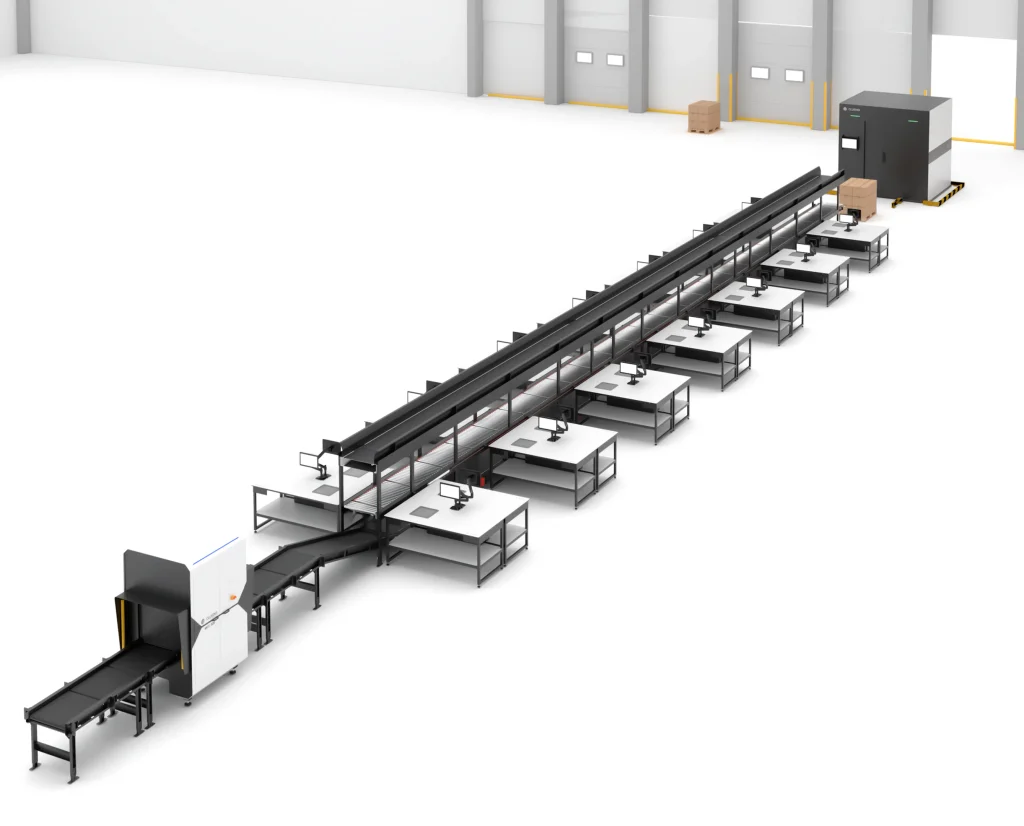
How RFID simplifies returns management after the holiday rush
Peak season does not end when orders are shipped.
For many retailers, January becomes the true operational challenge as returns flow back into the warehouse.
Efficient reverse logistics has become essential for maintaining profitability.
Immediate identification of returned products
Traditional returns handling often involves manual inspection and product identification.
RFID eliminates much of this effort.
Returned products can be identified instantly at item level, accelerating classification and processing.
Advantages include:
- Faster returns intake
- Reduced manual handling
- Improved traceability
- Quicker decision making
Faster restocking and greater inventory availability
Every hour a returned product remains unavailable for sale represents potential lost revenue.
RFID enables organizations to quickly identify products and update inventory records in real time.
This allows:
- Immediate product recognition
- Automated inventory updates
- Faster quality checks
- Rapid return-to-stock execution
The outcome is improved inventory availability and faster product resale.
Lower reverse logistics costs
By automating identification and processing tasks, RFID reduces dependence on manual labor while increasing throughput.
Organizations benefit from:
- Lower labor costs
- Improved warehouse capacity
- Faster processing times
- Better inventory utilization
Building a scalable eCommerce operation for Q4 and beyond
Peak season preparation should not focus solely on surviving the next few months.
The real objective is building a scalable operation capable of supporting long-term growth.
RFID helps organizations create a stronger fulfillment foundation through:
- Real-time visibility
- Process automation
- Increased productivity
- Accurate inventory management
- Reduced operational risk
- Better customer experiences
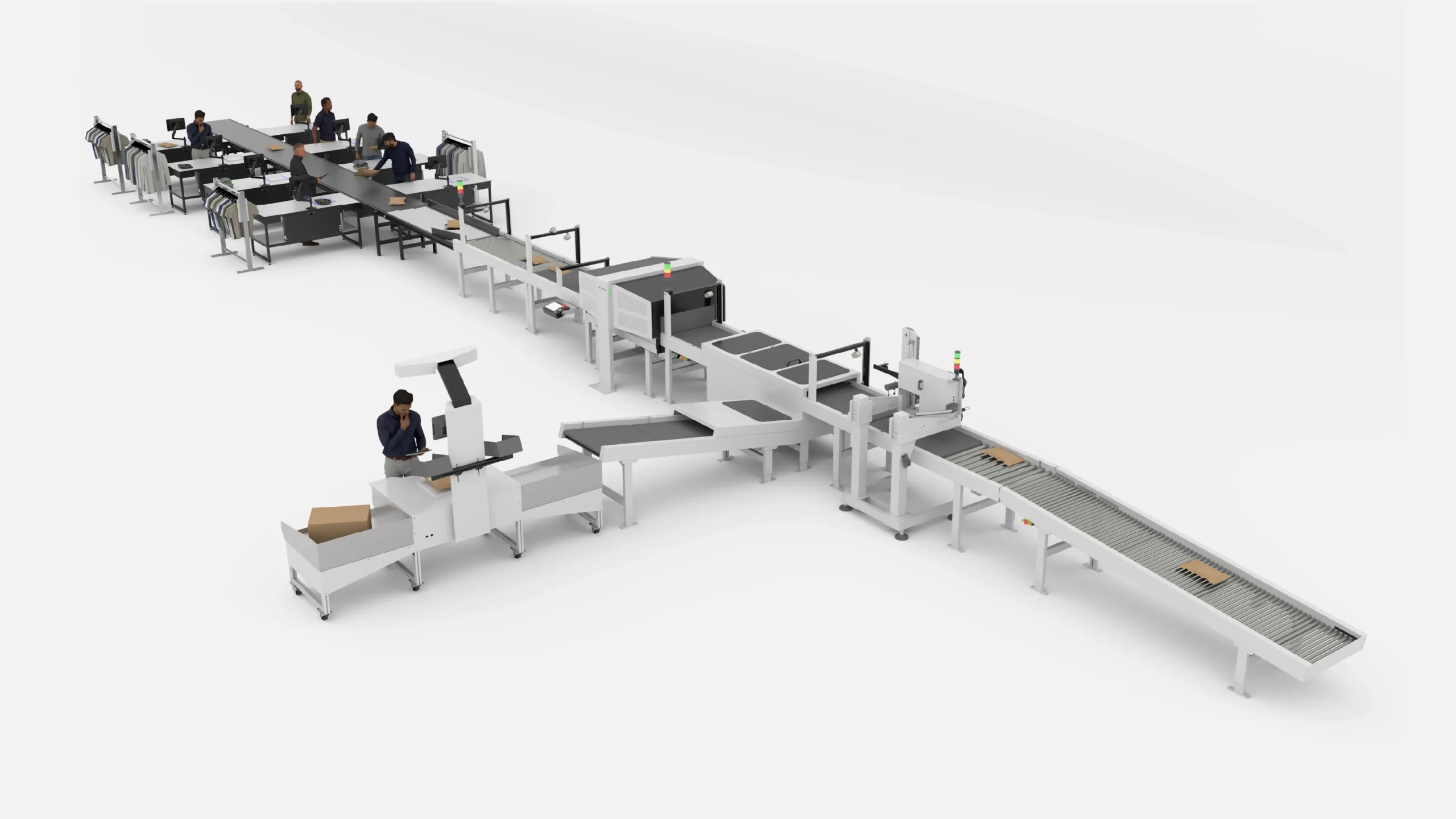
When combined with Clustag RFID Solutions, Zentup Data Intelligence, and RFID-Shield Technology, warehouses gain the control and accuracy required to grow without proportionally increasing costs.
The result is a fulfillment operation that remains efficient whether processing hundreds or thousands of orders per day.
How Clustag helps eCommerce operations scale without errors
At Clustag, we design RFID solutions specifically for intralogistics environments where speed, accuracy, and scalability are critical.
Our eCommerce solutions support key fulfillment processes including:
- Order preparation
- Packing verification
- Shipping validation
- Returns management
- Inventory visibility
- Operational analytics
Through RFID-enabled workstations, automated validation systems, Zentup software, and RFID-Shield Technology, we help retailers and logistics operators prepare confidently for their busiest periods of the year.
If you are preparing for Black Friday, Cyber Monday, or the holiday season, now is the ideal moment to evaluate how RFID can strengthen your fulfillment operation.
Visit our Customer Experience Center and test our solutions using your own products and operational scenarios. You can also contact our team through the website form to discuss your specific peak season challenges.
Frequently asked questions
How does RFID improve warehouse performance during peak season?
RFID automates identification and validation processes, reducing manual work while increasing speed, accuracy, and operational visibility.
Can RFID reduce picking errors in eCommerce fulfillment?
Yes. RFID validates products in real time during order preparation, helping operators detect missing, unexpected, or incorrect items before shipment.
How does RFID help reduce returns?
By improving shipping accuracy and ensuring orders contain the correct products before dispatch, RFID prevents many of the errors that generate returns.
What is RFID-Shield Technology?
RFID-Shield Technology is Clustag’s approach to mitigating stray reads and unwanted RFID interference, helping ensure highly accurate reading environments.
Can RFID work with existing WMS and ERP systems?
Yes. Zentup integrates RFID data with ERP, WMS, WCS, and other business systems to provide real-time information exchange.
Is RFID suitable for manual warehouses?
Absolutely. RFID solutions can be implemented in both manual and highly automated fulfillment environments.
How does RFID improve returns management?
RFID enables immediate identification of returned products, faster processing, rapid restocking, and improved inventory availability.
Can RFID help reduce labor costs?
Yes. RFID automates manual verification tasks, increases worker productivity, and reduces the need for repetitive scanning and auditing activities.
How quickly can an RFID project generate ROI?
ROI depends on operational volumes and use cases, but many organizations achieve returns through error reduction, labor optimization, and improved inventory accuracy.
Where can I see Clustag RFID solutions in action?
You can visit the Clustag Customer Experience Center and test solutions using your own products and operational workflows.