Category: Inbound Verification

  • Pallet Tracking: Automated Goods Receipt for High-Volume Warehouses

    Pallet Tracking: Automated Goods Receipt for High-Volume Warehouses

    In high-velocity logistics, the pallet is the fundamental unit of movement. However, traditional receiving processes often turn this unit into a bottleneck. Automated pallet tracking through RFID technology is becoming an essential capability for warehouses that need to scale without losing control over their inventory.

    “Manual goods receipt is no longer sustainable for high-volume operations. Transitioning to automated pallet tracking reduces processing time by up to 90% while ensuring 99%+ data accuracy.”

    By eliminating manual scans and paperwork at the dock, we allow facilities to maintain a continuous flow of goods from the moment they arrive.

    The Power of Automated Goods Receipt

    Traditional inbound processes rely on operators scanning individual barcodes or manually checking packing lists. This not only slows down the dock but introduces a high margin for human error.

    • Instant Verification: Capture the data of an entire pallet in seconds as it passes through the Inbound RFID Gate.
    • Real-Time WMS Update: Your inventory levels are updated the moment the pallet crosses the threshold.
    • Reduced Labor Costs: Reassign staff from repetitive scanning tasks to high-value warehouse operations.

    Efficiency Breakdown: Manual vs. RFID Pallet Tracking

    To understand the impact of automation, we must look at the operational friction of traditional methods compared to the Smart RFID Intralogistics standard.

    Operational PhaseManual Barcode TrackingClustag RFID Tracking
    Check-in Speed2–5 minutes per pallet< 15 seconds per pallet
    Data IntegrityProne to missed scans99.9% Read Accuracy
    Labor IntensityHigh (1 operator per dock)Low (Automated flow)
    VisibilityDelayed (batch updates)Instant (Real-time)

    Overcoming Technical Challenges: The “Stray Read” Solution

    One of the biggest hurdles in dense warehouse environments is reading the wrong pallet. If two forklifts pass near a portal, how do you know which data belongs to which shipment?

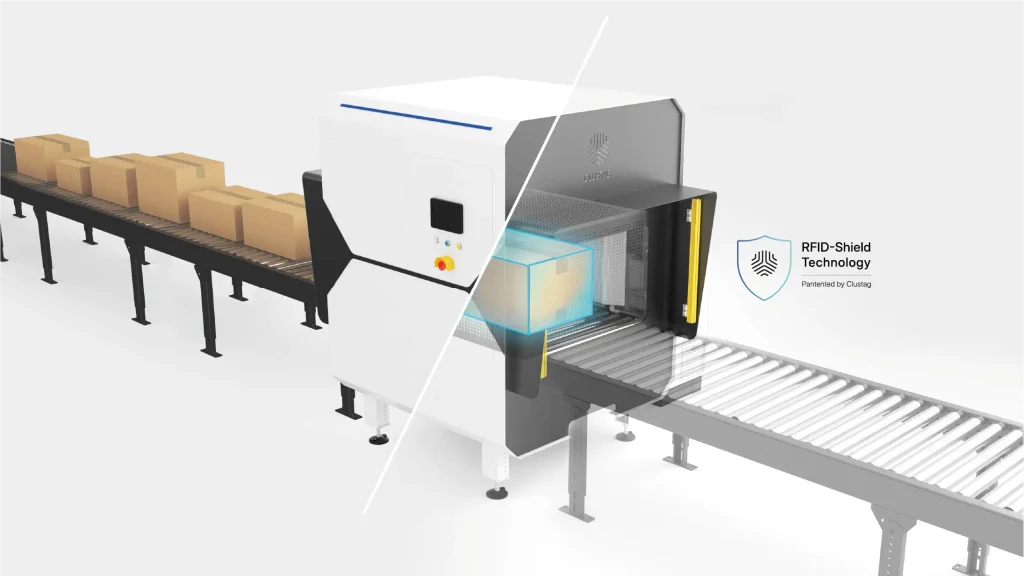
    • RFID Shield Technology: Our engineered portals contain RF waves strictly within the read zone, preventing “ghost stock” or cross-reads from adjacent docks.
    • Directional Logic: Integrated sensors detect the direction of movement, ensuring the system knows exactly if a pallet is entering or leaving the facility.

    Seamless Integration with Zentup Data Intelligence

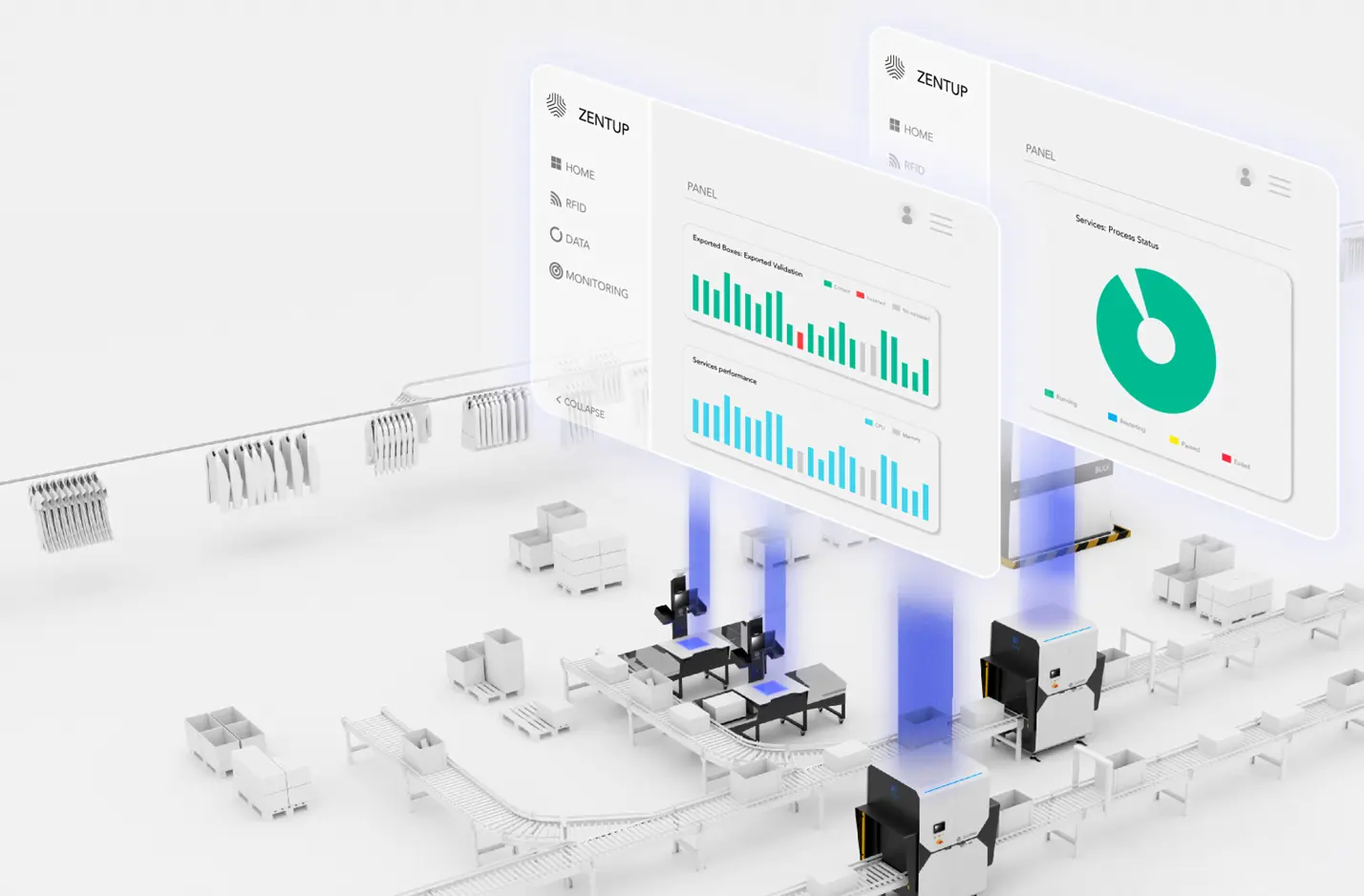
    Data is only valuable if it is actionable. Automated pallet tracking is powered by Zentup, our data intelligence layer that bridges the gap between physical movement and your ERP.

    “Zentup doesn’t just collect data; it orchestrates your inbound flow, flagging discrepancies before the pallet even reaches the racking system.”

    By providing supervisors with real-time alerts and dashboards, we turn pallet tracking from a back-office task into a strategic performance indicator.

    Scale Your Inbound Operations

    Automated goods receipt is the first step toward a fully transparent supply chain. By combining rugged hardware with intelligent software, Clustag helps you eliminate the “black holes” in your warehouse receiving area.

    Ready to automate your pallet tracking?

    We invite you to visit our Customer Experience Center to test these solutions with your own pallets and see the speed of RFID in action.

  • Beyond Cycle Counts How Always on RFID Is Transforming Inventory Accuracy in Warehouses

    Beyond Cycle Counts How Always on RFID Is Transforming Inventory Accuracy in Warehouses

    Achieving rfid inventory accuracy is becoming essential for every logistics operation that demands real time visibility, seamless traceability and higher fulfillment performance. As warehouse complexity increases and customer expectations accelerate, we cannot afford delays, blind spots or manual counting processes that interrupt workflows and create inconsistent data. With Clustag’s RFID intralogistics ecosystem, we elevate inventory management to a continuous, automated and highly reliable process that empowers us to operate with precision at every movement of the product.

    Elevating warehouse operations with RFID inventory accuracy

    Ensuring rfid inventory accuracy allows us to move from periodic cycle counts to uninterrupted visibility. When inventory data remains updated throughout inbound, outbound and picking activities, we eliminate operational inefficiencies and unlock a new level of responsiveness.

    Replacing manual cycle counts with continuous RFID visibility

    Manual cycle counting consumes time, resources and disrupts operations. By deploying Clustag’s RFID tunnels, MOT Stations and AS/RS integrated read points, we achieve automated item level reading that updates records instantly. These systems capture hundreds or even thousands of tags in seconds, enabling nonstop verification without slowing conveyors or teams on the floor.

    Strengthening data quality through controlled reading environments

    Our solutions are engineered with mechanical shielding that isolates the reading area, preventing stray reads and ensuring precise EPC detection. This design guarantees consistent rfid inventory accuracy throughout high volume processes, from inbound reception to outbound validation.

    Improving operational flow through real time synchronization

    ZENTUP, our RFID data platform, ensures that every read is validated and transmitted in real time to WMS, ERP or WCS systems. This constant synchronization minimizes discrepancies, streamlines root cause analysis and enhances decision making across the warehouse.

    Enhancing logistics processes through accurate RFID data

    Building rfid inventory accuracy into daily operations improves performance in every stage of the warehouse. Our ecosystem is adaptable to automated systems, manual workflows and high speed conveyor environments.

    Streamlining inbound verification

    Inbound operations benefit greatly from automated content checks. With our RFID tunnels and read points, we validate quantities, detect encoding issues and prevent supplier errors before they impact stock availability. This accuracy strengthens downstream picking and shipping processes.

    Accelerating picking workflows with real time item insights

    Whether in shelf to person, person to good or ASRS environments, instant item level visibility enhances picking efficiency. Operators confirm item correctness without manual scanning, reducing exceptions and improving throughput.

    Securing outbound accuracy and reducing costly returns

    Outbound control becomes more reliable when shipments are validated automatically. Our stations verify carton and pallet content with high accuracy, helping prevent mispicks, chargebacks and customer dissatisfaction. With rfid inventory accuracy as a baseline, fulfillment becomes faster and more consistent.

    Building sustainable and resilient warehouse operations through RFID inventory accuracy

    Real time RFID visibility not only optimizes day to day operations but also supports long term efficiency and sustainability initiatives.

    Reducing operational waste and unnecessary movements

    Every incorrect shipment or inbound discrepancy adds avoidable labor, transport and energy consumption. Accurate RFID data minimizes rework and prevents inefficiencies from escalating through the supply chain.

    Ensuring long term reliability through robust electromechanical design

    We design and manufacture our hardware in house, ensuring durability and performance in demanding industrial environments. This engineering approach guarantees that rfid inventory accuracy remains consistent across continuous high speed operations.

    Supporting end to end traceability across the supply chain

    From source tagging to last mile delivery, RFID delivers a continuous view of inventory. With accurate data driving forecasting, replenishment and fulfillment strategies, we help companies meet service levels while reducing operational risks.

    Transforming warehouse intelligence with RFID inventory accuracy

    As warehouses evolve toward higher automation and real time operations, achieving rfid inventory accuracy becomes the foundation for resilient, efficient and scalable logistics. Our RFID intralogistics ecosystem enables companies to work with confidence, speed and traceability at every stage of material flow.

    We invite you to experience our RFID solutions firsthand at our customer experience center. Bring your own products and validate how our technology performs under real operating conditions. You can also contact us through our form and we will help you shape the ideal roadmap toward real time, automated warehouse visibility.

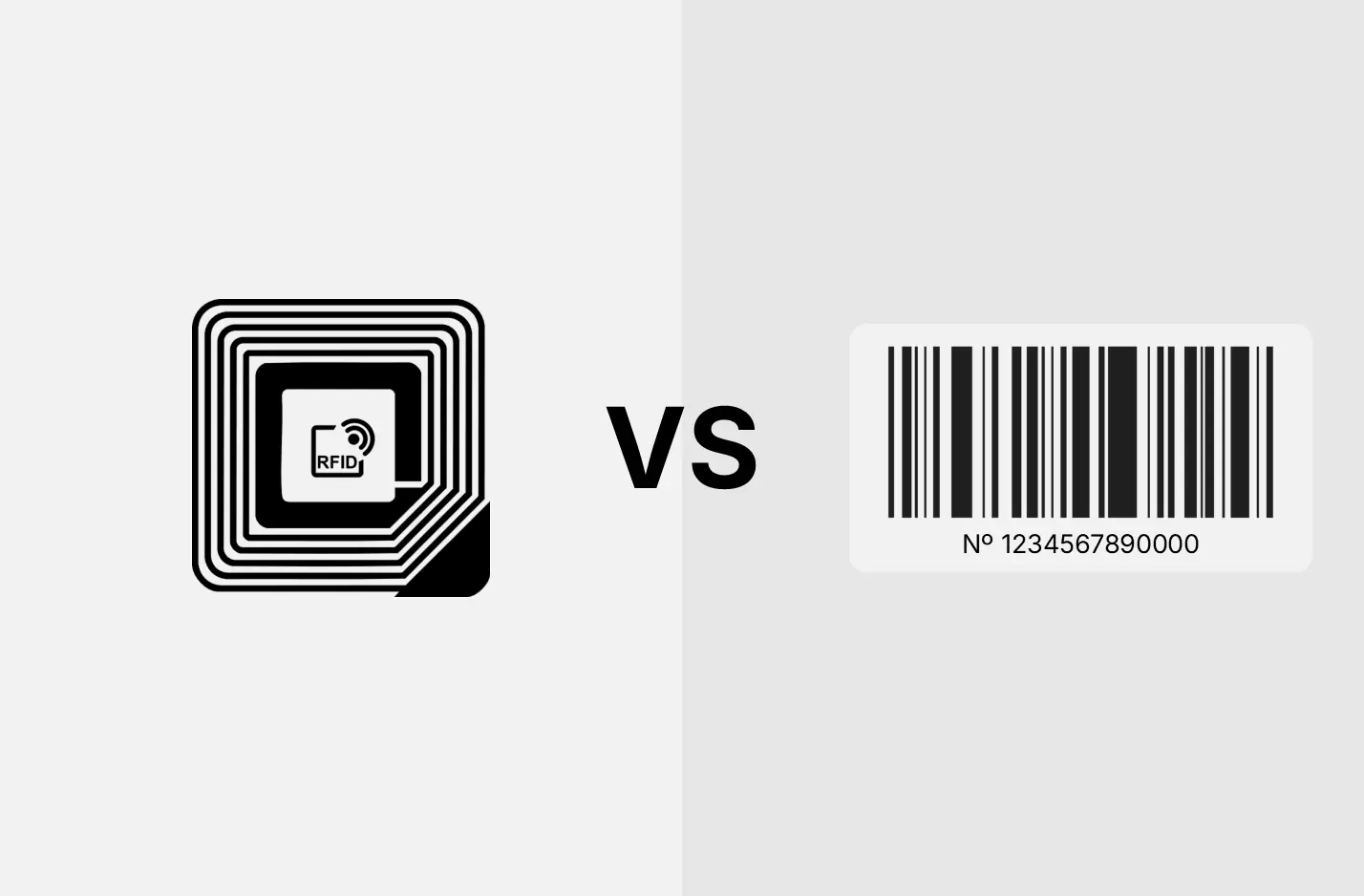
  • RFID vs Barcode: Which Is Better for Inventory Accuracy?

    RFID vs Barcode: Which Is Better for Inventory Accuracy?

    We operate in a landscape where supply chains move faster than ever, and real-time visibility has become a competitive advantage. Businesses across retail, logistics, and manufacturing rely on identification systems that reduce errors, minimize manual effort, and support scalable digital operations.

    As operational complexity increases, many organizations begin evaluating RFID vs Barcode to determine which technology better supports modern inventory management and accuracy requirements.

    If you are looking to strengthen inventory control and streamline workflows, understanding how these technologies compare is essential.

    Understanding how identification technologies impact operational accuracy

    Selecting the right identification method directly influences how efficiently teams can manage stock, validate shipments, perform cycle counts, and maintain end-to-end traceability.

    Both barcode and RFID technologies are widely used across warehouses, stores, and distribution centers. However, their capabilities differ significantly when accuracy, speed, and automation are priorities.

    Inventory visibility improvements

    RFID enables real-time item recognition without requiring line-of-sight scanning. This allows teams to capture data automatically and perform inventory checks with minimal operational disruption.

    With RFID, organizations can:

    • Complete cycle counts in minutes
    • Detect discrepancies immediately
    • Maintain continuous visibility of item movements

    Barcode-based counting depends on manual scanning. Each label must be visible and individually captured, increasing processing time and the risk of missed items.

    Error reduction and operational consistency

    Manual barcode workflows introduce variability into daily operations. Even experienced operators may encounter missed scans, fatigue-related errors, and inconsistencies.

    RFID systems reduce human intervention through automated reading. Multiple items are detected simultaneously, improving reliability across inbound validation, outbound verification, and audit processes. The result is a more stable and predictable operational environment.

    Speed of execution

    Execution speed plays a critical role in maintaining accurate inventory data.

    RFID technology supports batch or mass reading, allowing hundreds of items to be identified in seconds. Faster data capture enables more frequent checks and validation processes. Barcode systems require sequential scanning, meaning each item must be processed individually. In high-volume environments, this constraint can significantly limit throughput.

    Practical considerations when choosing between RFID and Barcode

    Evaluating RFID and barcode technologies requires analyzing how each system performs within a specific operational context.

    Reading environment and performance factors

    RFID performance can be influenced by materials such as metal or liquids. Well-designed RFID systems mitigate these challenges through shielding techniques, controlled read zones, and optimized hardware configuration.

    Barcode labels remain dependable but rely on clear visibility, correct orientation, and physical access for scanning.

    Integration and workflow compatibility

    RFID integrates naturally into automated workflows, including conveyor systems, packing stations, receiving docks, and tunnel validation systems.

    Barcode systems are simpler to deploy initially but less scalable when operations demand multi-item validation, high-speed automation, or real-time tracking.

    Investment and ROI expectations

    Barcode solutions offer a low-cost entry point and remain effective for basic workflows. RFID deployments typically involve a higher initial investment but deliver long-term value through labor reduction, accuracy improvements, and process automation. Organizations increasingly evaluate identification technologies based on operational impact and scalability.

    How Clustag enhances RFID identification and accuracy

    Clustag Smart RFID Solutions are designed to deliver reliable and high-precision identification across retail and logistics operations.

    By combining advanced hardware with intelligent software, Clustag systems ensure consistent read performance even in complex environments.

    Enhanced accuracy across retail and logistics

    Clustag validation surfaces and RFID tunnel systems support seamless inbound checks, shipment verification, and product authentication. Near-field reading and isolated scanning environments help ensure every item is captured correctly, even when products are densely grouped.

    Optimized operator efficiency

    Clustag interfaces are designed to simplify validation tasks for warehouse and store teams. Clear visual feedback and guided workflows reduce training time while improving process consistency.

    Scalable technology for evolving operations

    RFID-enabled infrastructures allow organizations to expand validation points, integrate automation, and extend tracking capabilities as operational needs grow. RFID becomes a strategic foundation for long-term supply chain optimization.

    RFID vs barcode: making the right decision

    Barcode technology remains effective when operations are relatively simple, volumes are moderate, and automation is not a priority.

    RFID becomes particularly valuable when inventory accuracy is critical, speed and efficiency are essential, and processes require higher levels of automation and visibility.

    Explore how RFID can improve your operations

    Improving inventory accuracy requires more than selecting a technology. It involves designing workflows that ensure reliable data capture, operational efficiency, and long-term scalability. If you are evaluating RFID solutions or considering an upgrade from barcode-based processes, our team can help you assess the best approach for your environment. You can contact us to discuss your operational needs or schedule a visit to the Clustag Customer Experience Center, where you can experience our RFID systems in real scenarios.

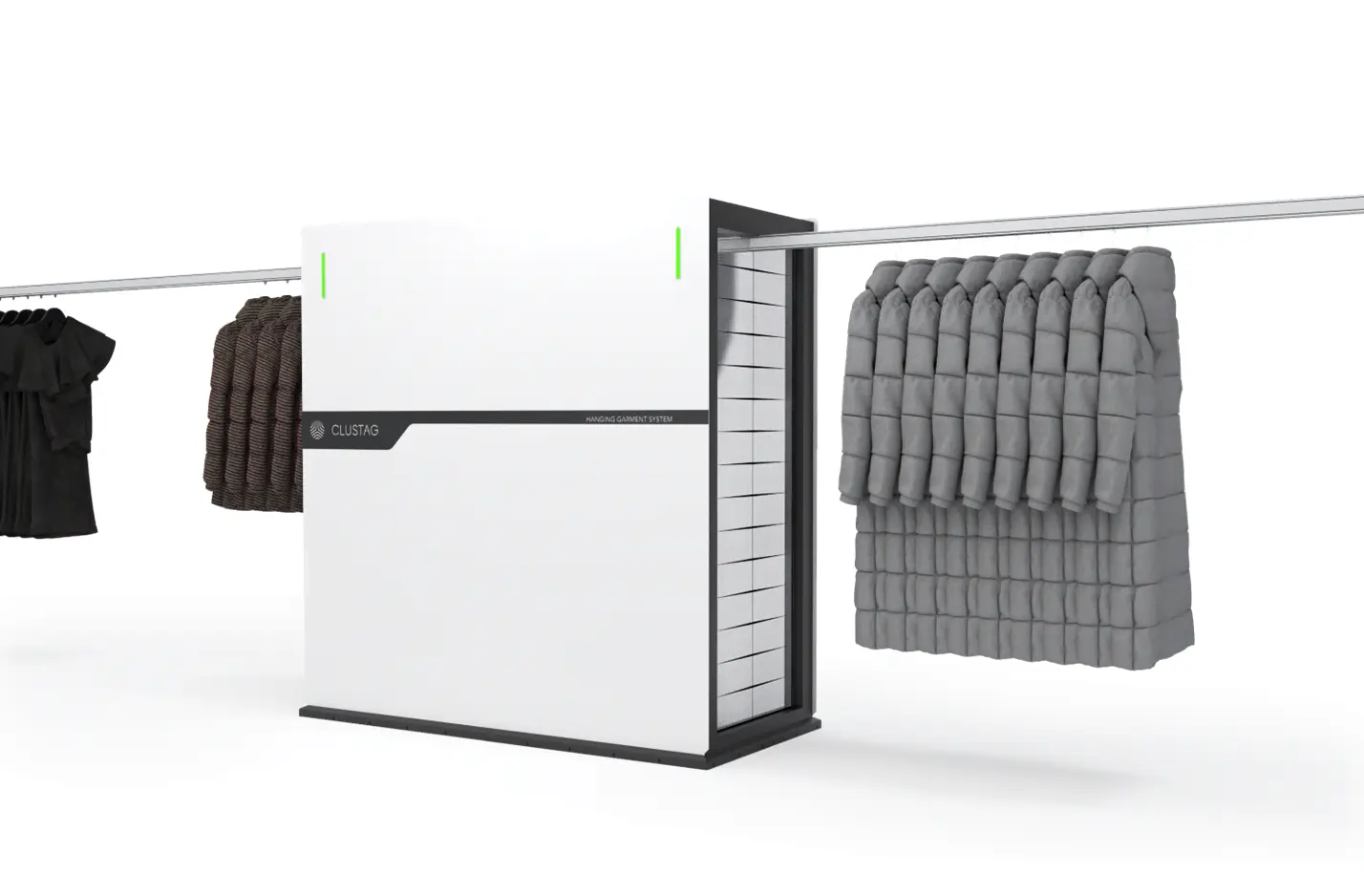
  • How RFID Garment On Hanger transforms  operations in fashion distribution

    How RFID Garment On Hanger transforms operations in fashion distribution

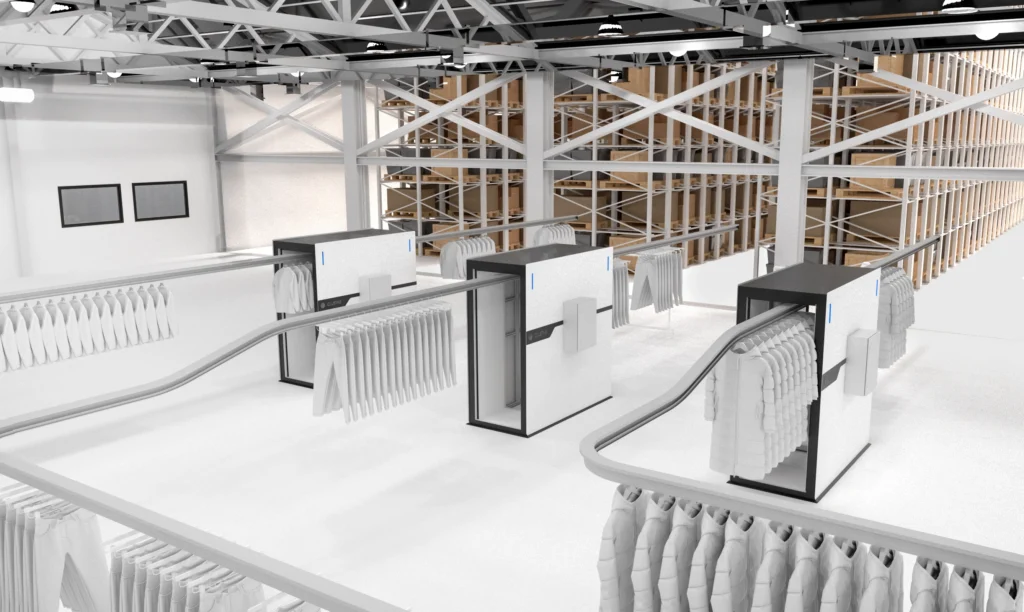
    RFID garment on hanger is transforming how fashion distribution centers manage hanging garments at scale. In GOH environments, thousands of items move every hour through conveyors and sorters. When visibility is limited, even small errors in receiving or size distribution quickly escalate into rework, stock imbalances, and hidden shrinkage.

    We design Smart RFID intralogistics solutions that connect physical GOH flows with real‑time data. We help operations teams turn GOH lines into reliable, measurable, and scalable processes.

    RFID garment on hanger turns GOH operations from a fragile bottleneck into a controlled, data‑driven flow.

    Why GOH flows remain a bottleneck in fashion logistics

    Hanging garments are often the least controlled flow in otherwise automated distribution centers. Conveyors move fast, but identification and verification still rely on people, sampling, or partial scans.

    This gap between automation and data accuracy is where most operational issues begin.

    Manual inbound limits RFID garment on hanger performance

    Inbound GOH shipments frequently arrive mixed by size, store, and collection. Without automated RFID garment on hanger validation, teams must trust packing lists or perform manual checks that only cover a fraction of the volume.

    Errors detected at this stage usually surface too late:

    • Incorrect size curves reach stores
    • Vendor discrepancies are discovered after dispatch
    • Rework and urgent transport become unavoidable

    RFID garment on hanger transforms inbound into a true control point by validating every garment as it enters the facility.

    Partial identification slows down GOH operations

    Some GOH lines still rely on barcodes or incomplete identification. When mismatches occur, conveyors must stop and operators intervene. Productivity drops, and flow stability disappears during peak periods.

    Without continuous RFID garment on hanger reading, scaling volume often means scaling labor.

    Lack of traceability increases shrinkage risk

    When garments are not identified at item level, discrepancies are difficult to explain. Missing items and incomplete deliveries require manual investigation, often without clear conclusions.

    RFID garment on hanger creates a digital footprint for each garment, enabling objective analysis and measurable shrinkage control.

    What RFID garment on hanger brings to operations

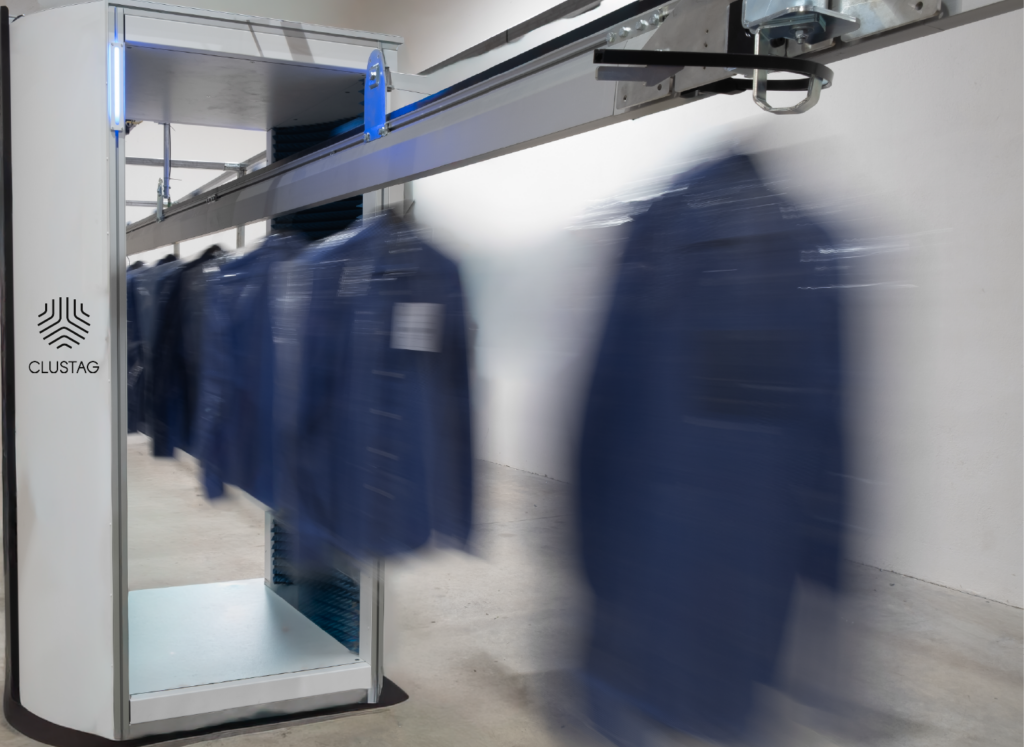
    RFID garment on hanger enables automatic identification without stopping conveyors. Garments are read in motion and validated in real time, with data synchronized instantly through Zentup.

    This is not only about speed. It is about accuracy, predictability, and control.

    Faster receiving with RFID garment on hanger

    Inbound verification becomes continuous and complete. Entire blocks or individual garments are read automatically and compared with expected data in real time.

    Operational benefits include:

    • Immediate detection of inbound errors
    • Elimination of manual scanning
    • Accurate inventory data from the first read

    Accurate size distribution and pre‑sorting

    With item‑level identification, size distribution is validated before garments leave the warehouse. This prevents incorrect assortments and reduces emergency replenishments.

    Merchandising rules are applied consistently, even at high throughput.

    Item‑level traceability and shrinkage control

    Every RFID read captured by Zentup builds a traceable history for each garment. When discrepancies occur, teams can quickly identify where they happened.

    Shrinkage stops being an accepted cost and becomes a controllable operational variable.

    Clustag RFID solutions for garment on hanger operations

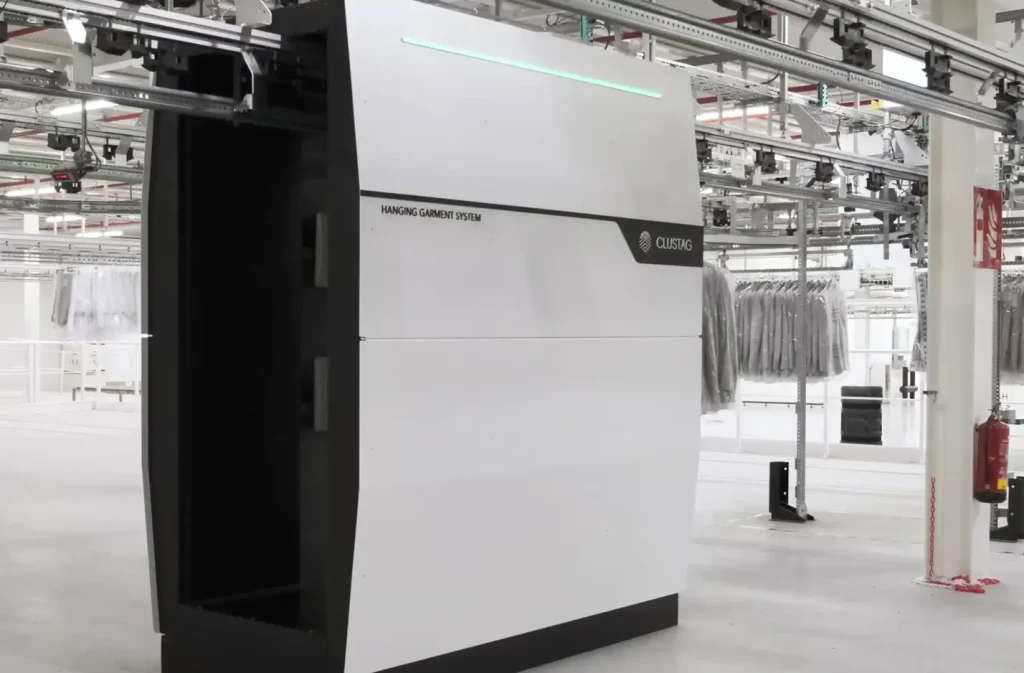
    We offer a complete portfolio of RFID garment on hanger stations designed for both automatic and manual GOH flows. All solutions operate within controlled RFID environments using RFID Shield Technology to eliminate stray reads and ensure accuracy.

    GOHT Station for block‑level validation

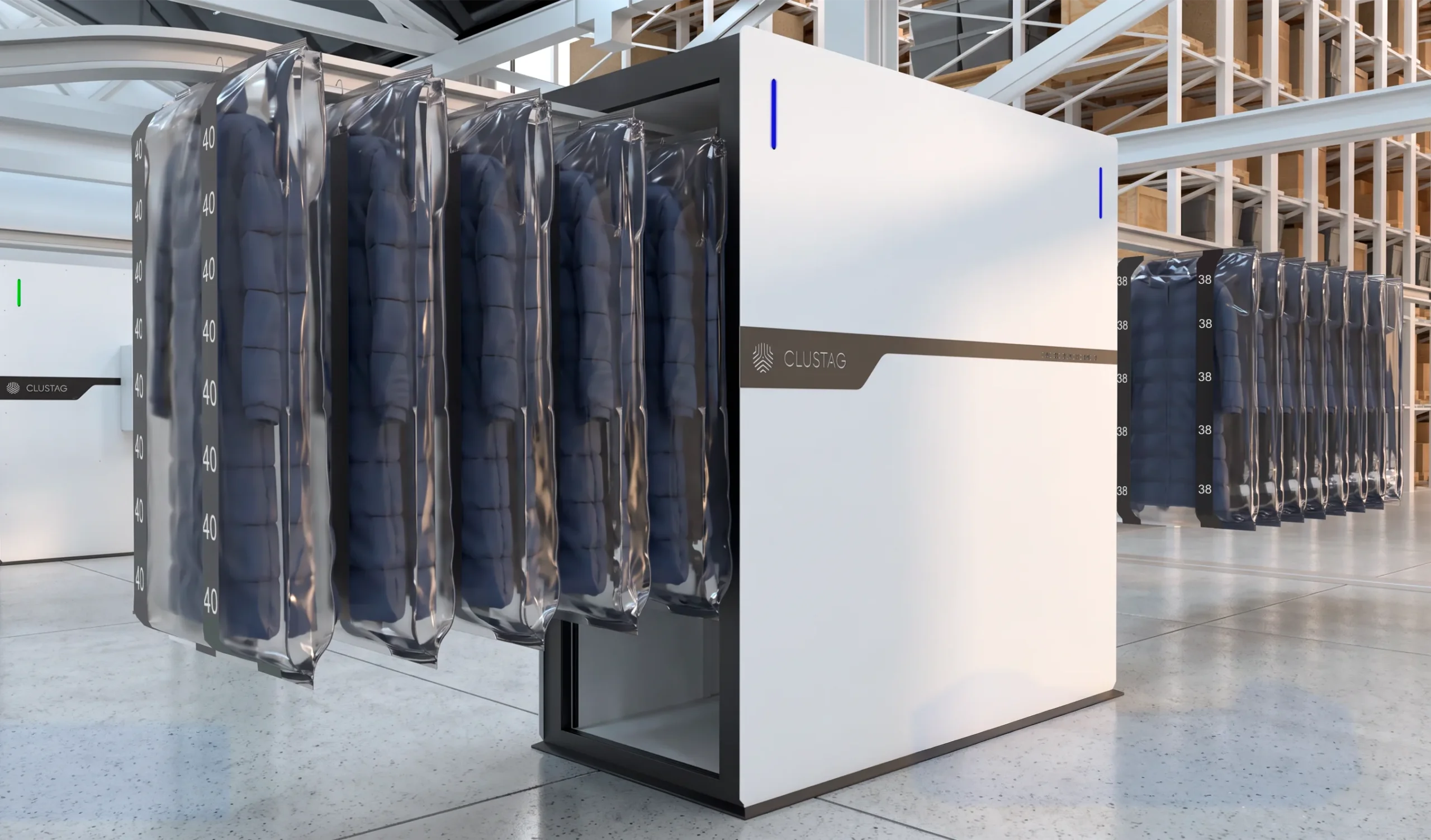
    The GOHT Station is designed for automated GOH lines that need to validate entire blocks of hanging garments at speed. Garments are read in batches while each RFID tag is individually captured and validated.

    This enables fast inbound and outbound verification without disrupting conveyor flow.

    GOHTi Station for individual garment control

    The GOHTi Station reads garments one by one as they move through automated lines. This approach is ideal for complex assortments, mixed destinations, and pre‑sorting before automated sorters.

    Each garment is validated in real time and routed correctly, ensuring maximum accuracy.

    RFID control for manual GOH processes

    For wheeled racks, returns, or quality control, controlled RFID environments extend garment on hanger visibility beyond automated lines, without slowing down operators.

    Operational challenges and RFID garment on hanger solutions

    GOH challengeOperational impactClustag solution
    Manual inbound checksLate error detectionAutomated inbound validation
    Partial identificationConveyor stopsContinuous in‑motion RFID reading
    Stray RFID readsData inaccuraciesRFID Shield Technology
    Limited traceabilityUncontrolled shrinkageItem‑level traceability with Zentup

    Ready to optimize your GOH operations?

    If you want to improve accuracy, speed, and traceability in your hanging garment flows, RFID garment on hanger can turn GOH operations into a strategic advantage. Contact us via the contact form or visit our Customer Experience Center to test our Smart RFID intralogistics solutions with your own products.

  • A day in the warehouse: how Zentup enables seamless warehouse process synchronization

    A day in the warehouse: how Zentup enables seamless warehouse process synchronization

    Modern warehouse operations rely on one critical capability: warehouse process synchronization. When inventory data, operational workflows, and warehouse systems are aligned in real time, organizations gain speed, accuracy, and control throughout the entire day.

    From the first inbound scan to the final outbound shipment, Zentup enables warehouses to operate as a connected ecosystem, where every movement is visible, validated, and coordinated. By combining real-time RFID data capture, mobile applications, and operational intelligence, Zentup transforms complex logistics environments into predictable, high-performance operations.

    What is warehouse process synchronization?

    Warehouse process synchronization refers to the real-time alignment of inventory data, operational tasks, and warehouse management systems to ensure continuous, accurate execution across all workflows. It allows teams to react instantly to changes, eliminate information gaps, and maintain operational consistency throughout the day.

    Zentup enables this synchronization by acting as a unified layer that connects RFID infrastructure, mobile execution tools, and enterprise platforms into a single operational flow.

    The Role of RAIN RFID Compatibility in Process Synchronization

    A fundamental pillar of warehouse process synchronization is technological interoperability. In this context, RAIN RFID compatibility plays a key role in ensuring that data flows consistently across devices, systems, and applications.

    RAIN RFID is a global standard that enables fast, accurate identification and tracking of large volumes of items. By supporting RAIN RFID standards, the Zentup ecosystem ensures that readers, antennas, tags, and software systems work seamlessly together, regardless of manufacturer or operational environment.

    This compatibility enables:

    • Real-time item-level data capture
    • Seamless integration with ERP, WMS, WES, and automation platforms
    • Scalable operations without vendor lock-in
    • Consistent data quality across the entire supply chain

    By leveraging RAIN RFID standards, Clustag’s Smart RFID Solutions reinforce process synchronization from data capture to operational execution, ensuring information remains reliable, reusable, and accessible at every stage of warehouse workflows.

    Enabling early visibility across the warehouse

    The success of a warehouse shift is often determined in its first hours. Operators and supervisors need immediate access to accurate, real-time information to define priorities and avoid downstream disruptions.

    Strengthening the start of the day with unified data

    All RFID readings are centralized through Zentup Core, the middleware that organizes, decodes, and synchronizes item-level data with enterprise systems such as ERP, WMS, WES, and AGV platforms. This unified data foundation provides instant visibility into inbound goods, product locations, and operational priorities.

    By starting the day with synchronized information, teams reduce uncertainty, minimize manual checks, and accelerate execution from the very first task.

    Adjusting tasks with continuous operational insight

    As operations progress, Zentup Core refreshes every movement in real time. Supervisors can immediately detect anomalies, such as missing items or incorrect placements, and rebalance workloads before minor issues become operational bottlenecks.

    How Zentup improves midday warehouse coordination

    Midday is when warehouse complexity peaks. Picking, replenishment, packing, and verification processes run simultaneously, requiring precise coordination and uninterrupted data flow.

    Supporting item-level tasks with mobile tools

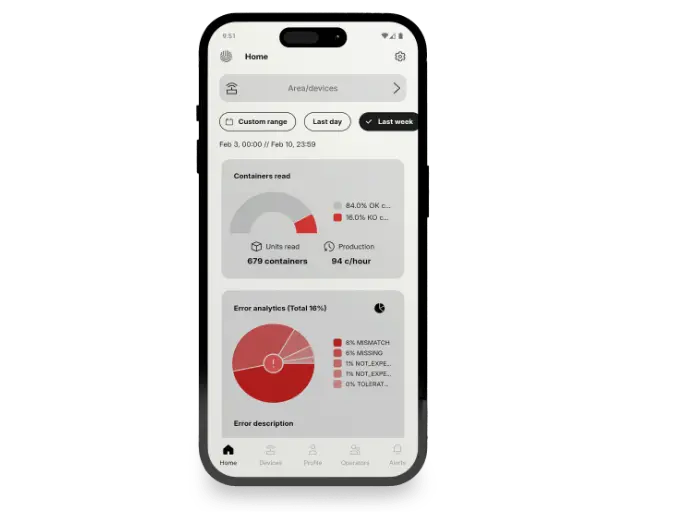
    Zentup Go supports operators using handheld RFID devices for stock counting, product identification, and inventory control. Its plug-and-play design enables fast adoption while capturing item-level data in motion, eliminating manual entries and reducing transcription errors.

    Improving accuracy during complex checks

    For auditing and exception handling, Zentup Workflow guides users through structured verification processes. Whether managing faulty tags, missing items, or coding inconsistencies, its intuitive interface ensures discrepancies are resolved quickly and accurately, reinforcing end-to-end warehouse process synchronization.

    Key advantages of this synchronized approach include:

    • Faster task execution through real-time visibility of item movements
    • Reduced manual data entry and fewer operational errors
    • Better resource allocation based on live operational insights
    • Smoother handovers between teams with synchronized priorities

    Why real-time synchronization matters for outbound operations

    As outbound volumes increase, synchronized data becomes essential to meeting delivery commitments without compromising accuracy.

    Accelerating picking and packing performance

    Zentup Core works seamlessly with warehouse management systems to validate every action in real time. From confirming box contents to detecting replenishment discrepancies, each RFID-enabled interaction delivers immediate feedback that keeps workflows moving efficiently.

    Ensuring shipment readiness with continuous verification

    By the time items reach packing and shipping zones, serial numbers, lot information, and item status have already been verified. This reduces misloads, minimizes returns, and reinforces trust in outbound shipment accuracy.

    Closing the day with operational intelligence

    End-of-day activities are not just about closing tasks, they prepare the warehouse for the next operational cycle.

    Visualizing system performance and alerts

    Zentup Pulse consolidates system alerts, RFID reader performance, and operational KPIs into a single dashboard. Technical and operational teams gain immediate visibility into system health, enabling proactive issue resolution before the next shift begins.

    Preparing upcoming workflows with synchronized information

    With all RFID data synchronized and validated, supervisors can identify pending tasks, restocking needs, and process adjustments required for the following day. This level of readiness ensures a smooth, efficient start to the next shift.

    Elevating warehouse performance through synchronization

    By enabling real-time alignment between data, workflows, and systems, Zentup strengthens warehouse performance at every stage of the day. Warehouse process synchronization allows teams to operate with confidence, adapt faster to change, and deliver consistent, accurate results across all operations.

    If you want to discover how real-time RFID data, mobile execution tools, and synchronized workflows can elevate your warehouse operations, we invite you to get in touch through our contact page and explore how Zentup can support your logistics strategy from end to end.

  • Avoid Stray Reads with Clustag RFID Shield Technology

    Avoid Stray Reads with Clustag RFID Shield Technology

    In environments where RFID is the backbone of item-level visibility, accuracy is critical. Unintended tag captures, commonly known as stray reads, can disrupt inventory integrity, slow down operations, and increase reconciliation In In modern supply chains and automated environments, precision is a strategic advantage. When RFID systems capture stray reads the consequences can ripple across inventory accuracy, compliance, and operational efficiency. These errors often occur in dense environments such as conveyor tunnels, picking zones, and automated storage systems. To overcome this challenge, we combine advanced shielding solutions with Smart RFID strategies that deliver reliable data and seamless integration. Keep reading to discover how Clustag RFID Shield Technology works and why it is essential for high-performance operations.

    What causes Stray Reads in RFID systems?

    Stray reads happen when antennas detect tags outside their intended zone. This issue is amplified in environments with overlapping RF fields or reflective surfaces that extend signal reach. Understanding the root causes is key to designing effective solutions.

    Main causes of interference

    • Overlapping read zones due to antenna misalignment
    • High tag density in confined spaces
    • Signal reflections from metallic or structural surfaces
    • Excessive antenna power settings creating uncontrolled coverage

    Operational impact

    Uncontrolled reads lead to inaccurate stock counts, flawed traceability, and compliance risks. In pharma and healthcare, this can compromise safety standards and regulatory adherence. In retail, it results in stock discrepancies that affect customer experience and profitability. For industrial environments, stray reads can disrupt automated workflows and increase manual verification costs.

    How does Clustag RFID Shield Technology work?

    Clustag RFID Shield Technology introduces a physical and electromagnetic barrier that isolates read zones, preventing interference from adjacent areas. Unlike software filtering, which acts after the read event, shielding eliminates the problem at its source, ensuring clean data capture from the start.

    Clustag RFID Shield: Technical design and materials

    • Electromagnetic isolation to absorb or redirect RF signals
    • Custom configurations for conveyors, cabinets, and racks
    • High-performance materials ensuring durability and minimal leakage
    • Modular design for easy integration into existing RFID infrastructures
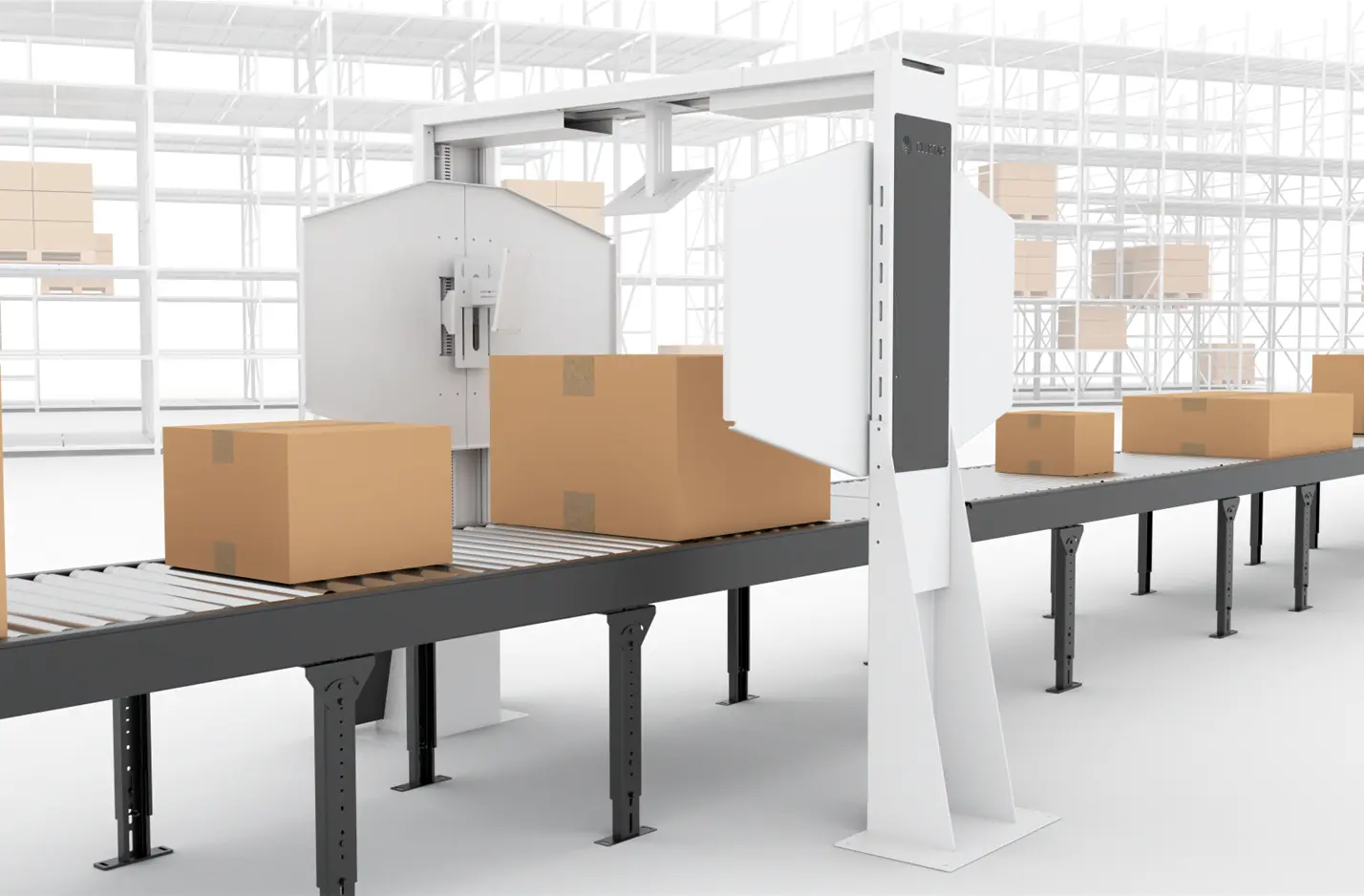
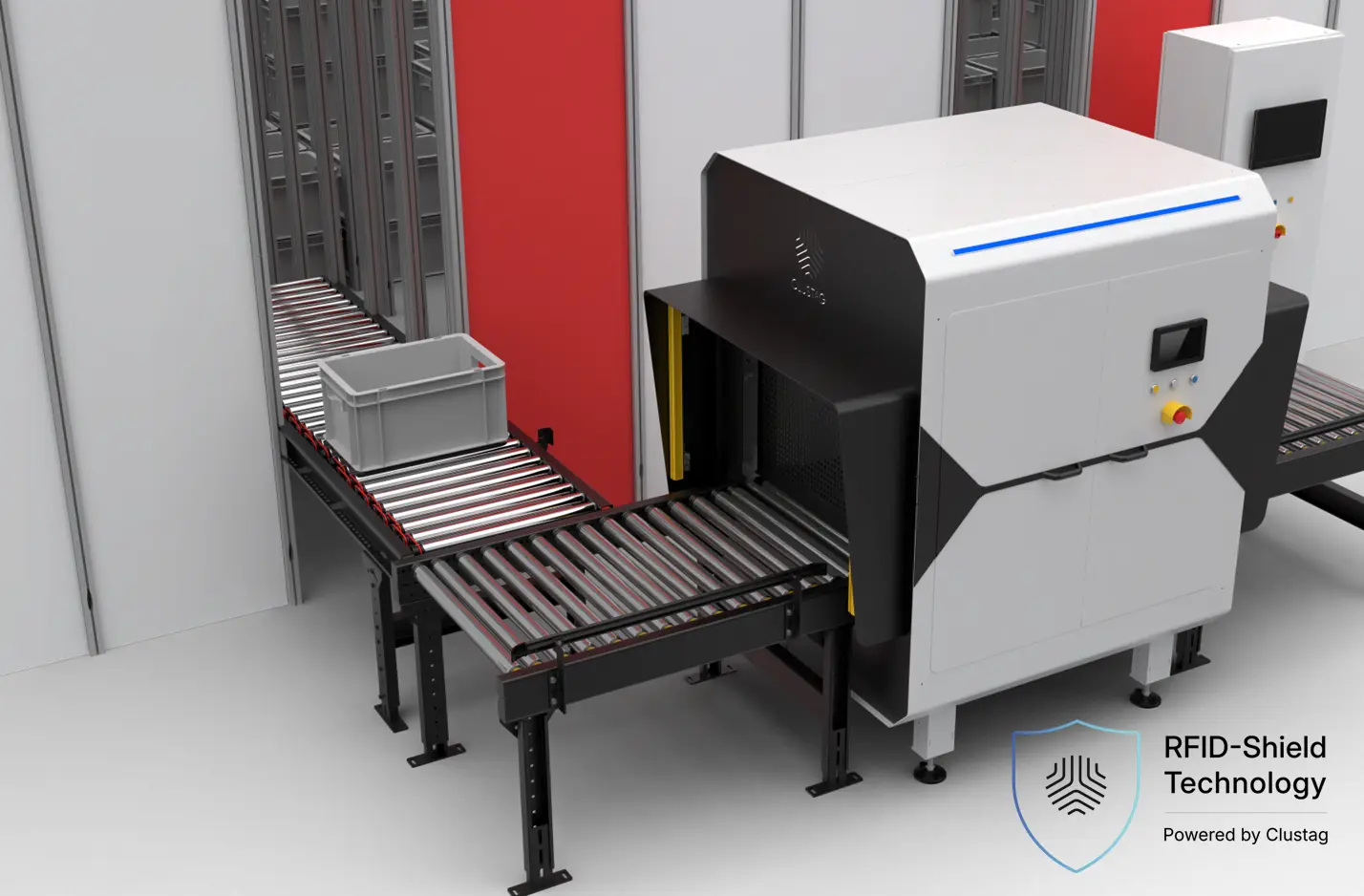
    Clustag RFID Shield Technology tunnel integrated into a conveyor system with shielding panels and roller track, designed for controlled RFID reading and prevention of stray tag detection

    Performance metrics and impact on operations

    Field tests show shielding reduces unintended reads by up to 95%, improving data reliability and operational speed. When combined with directional antennas and optimized power settings, the effect is even greater, creating a controlled and predictable reading environment.

    Integration with Smart RFID Solutions

    Shielding works best when paired with intelligent software and hardware strategies. At Clustag, we integrate Clustag RFID Shield Technology with Smart RFID Solutions to deliver end-to-end accuracy and efficiency.

    Synergy between hardware and software

    • Dynamic zone control adjusting antenna power in real time
    • Data validation algorithms complementing physical shielding
    • IoT connectivity ensuring clean data flows into WMS and ERP systems
    • Predictive analytics to monitor performance and prevent anomalies

    What are the benefits for different industries?

    • Retail and fashion: Accurate item-level visibility during high-speed sorting
    • Healthcare and pharma: Secure tracking of sensitive products in controlled environments
    • Industrial manufacturing: Reliable identification in automated assembly and packaging lines

    Practical deployment scenarios

    Clustag RFID Shield Technology adapts to multiple operational contexts, making it a versatile solution for complex environments.

    Conveyor checkpoints

    Prevent cross-lane reads in high-speed sorting systems, ensuring each item is captured in its correct zone.

    Smart cabinets

    Guarantee that only items inside the cabinet are read, protecting sensitive medication tracking and compliance.

    Automated picking

    Stabilize read zones in densely packed shelves, reducing errors in order preparation and improving fulfillment speed.

    Best practices for implementing Clustag RFID Shield Technology in 2026

    To maximize Clustag RFID Shield Technology benefits, follow these guidelines:

    Site assessment

    Conduct RF surveys to identify interference hotspots and overlapping zones. This analysis informs the design of shielding panels and antenna placement.

    Layered approach

    Combine shielding with directional antennas and power tuning for optimal isolation. Physical barriers handle the bulk of interference, while software fine-tunes accuracy.

    Continuous monitoring

    Deploy analytics dashboards to monitor read performance and detect anomalies. This proactive approach ensures long-term reliability and ROI.

    Ready to eliminate stray reads and achieve flawless RFID performance?
    Let’s design a solution tailored to your needs. Contact us today through our contact form and discover how our advanced RFID Shield Technology and Smart RFID Solutions can transform your logistics. You can also visit our Customer Experience Center to try out our products and see the benefits of RFID Shield Technology

    Frequent Answers and Questions about RFID Shield Technology

  • Supplier reliability with RFID improves through accurate inbound verification

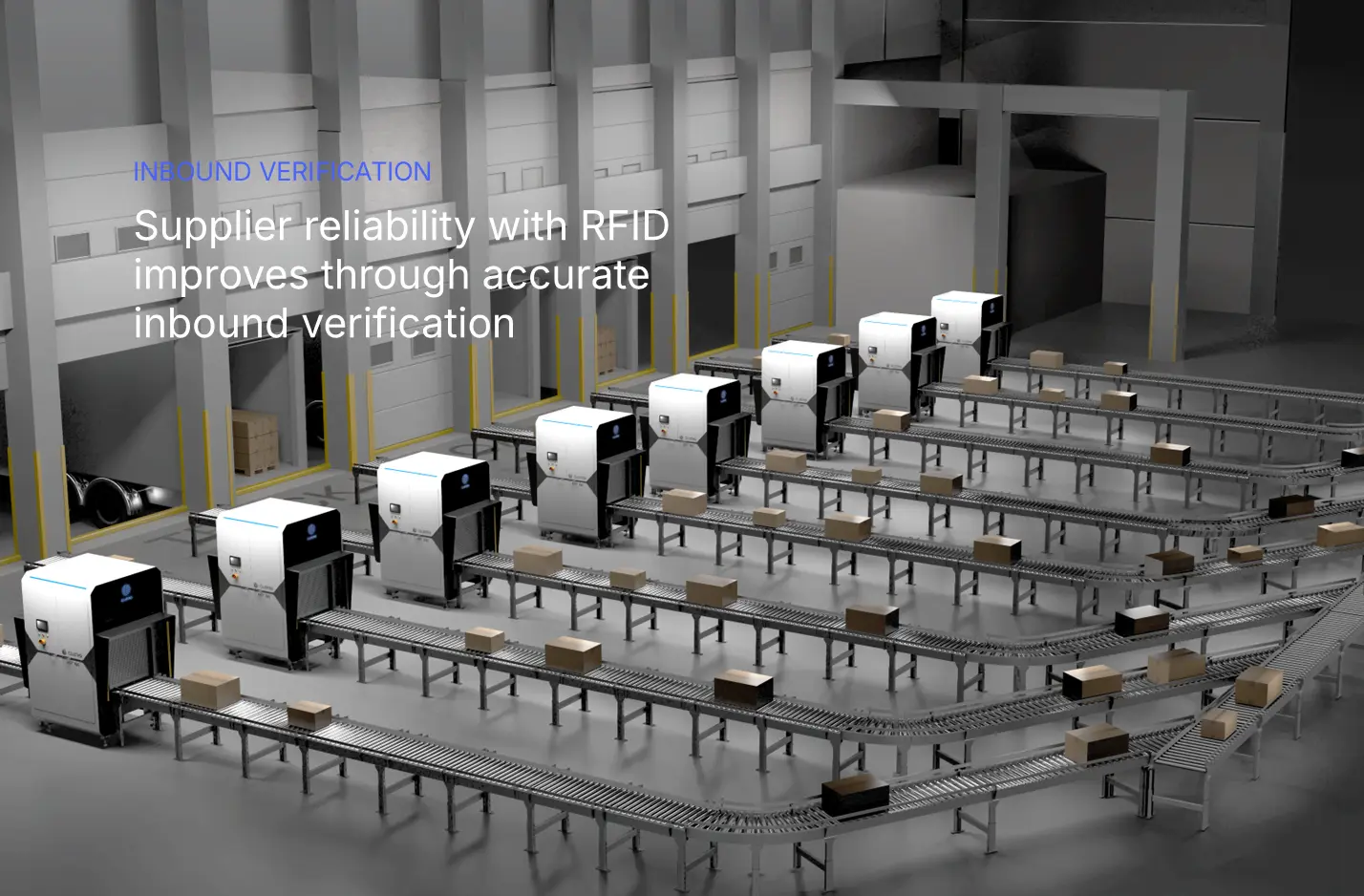
    Supplier reliability with RFID improves through accurate inbound verification

    In today’s competitive logistics landscape, supplier reliability with RFID drives smooth and error-free inbound operations. As companies strive to optimize their supply chains, the need to verify shipments accurately and hold suppliers accountable. Clustag, a leader in RFID and automation solutions, helps businesses strengthen supplier reliability through RFID inbound verification powered by its propietary software, Zentup.

    Supply reliability with RFID: a strategic imperative

    Supplier reliability goes beyond on-time deliveries, it means delivering the correct items, in the right quantities, with full traceability. Traditional barcode systems often miss hidden shortages, mislabeling or unscanned items.

    When companies integrate RFID technology into their receiving workflows, they gain real-time, item-level visibility that turns inbound verification into a proactive quality control mechanism.  

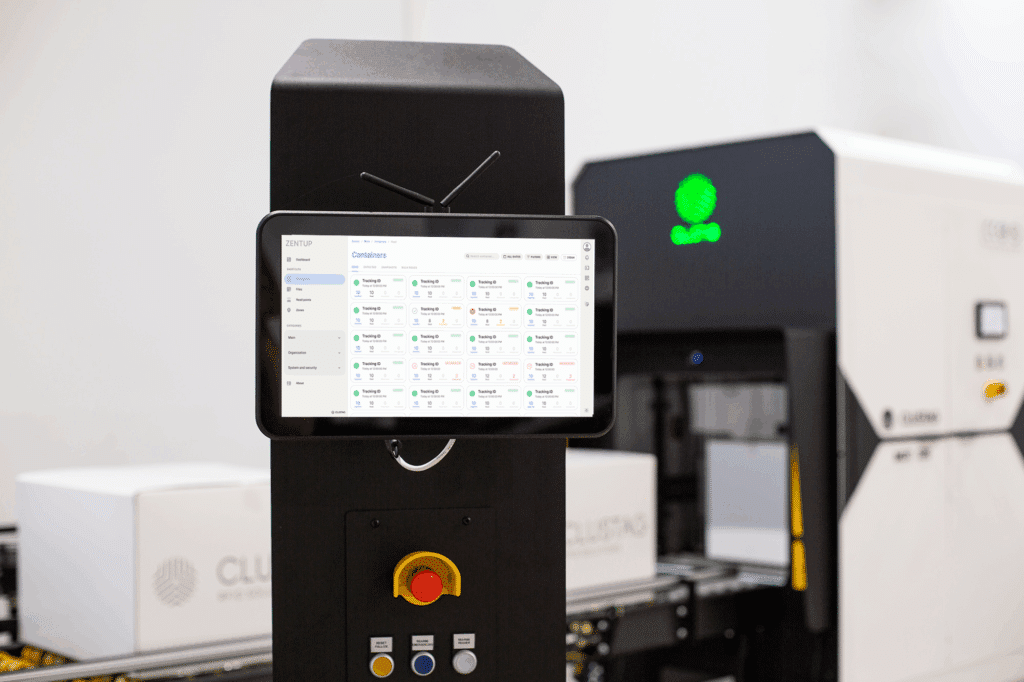
    Clustag’s middleware, Zentup, compares expected shipments with actual deliveries automatically. As goods arrive, Zentup reads each RFID tag and matches it directly to the Advance Shipping Notice (ASN). The system identifies and classifies any discrepancy instantly, documenting it for supplier feedback and ensuring complete traceability from the start.

    The role of RFID inbound verification in supplier reliability

    RFID inbound verification confirms that received goods match purchase orders and shipping notices, improving inventory accuracy, productions schedules and customer experience.

    With RFID enabled inbound verification, companies:

    Zentup streamlines every stage, reduces manual work, and minimizes human error, helping teams build stronger and more reliable supply chains.

    Measuring supplier reliability with RFID

    To quantify the RFID impact in supplier reliability, companies can track key performance indicators such as:

    Zentup provides dashboards and analytics that help to the companies monitor these KPIs and make informed decisions regarding supplier relationship and operational improvements.

    Scaling RFID across multiples warehouses

    For organisation with various distribution centers, maintaining consistent inbound verification is essential. Clustag’s solution supports centralized configuration and remote monitorization, allowing businesses to:

    This scalability ensures that supplier reliability with RFID becomes a company-wide standard, not just a localized idea.

    Common challenges solved by RFID receiving accuracy

    Receiving accuracy with RFID addresses several problems in inbound logistics:

    With Zentup, these challenges are resolved through automated detection and documentation, making RFID inbound verification more reliable and efficient.

    Strategic benefits of supplier reliability with RFID

    Beyond operational improvements, supplier reliability with RFID offers strategic advantages:

    Clustag’s RFID solutions are designed to growth with your business, adapting to new suppliers, product lines and logistic models.

    How Clustag measures the supplier reliability with RFID

    Clustag’s middleware Zentup not only automates inbound verification, but it also provides a robust framework to measure supplier reliability with RFID over time. Through its analytics dashboard, companies can track supplier performance using real-time RFID data and historical trends.

    Key metric includes:

    These insights allow procurement and logistics teams to build scorecards based on objective data, not just anecdotal feedback. Over time, this leads to more strategic sourcing, better collaborations and fewer disruptions in the supply chain.

    Zentup also enables exporting reports for audits, internal reviews, or supplier negotiations, making supplier reliability with RFID not only a technical metric, but a strategic asset.

    Managing exceptions and errors with Zentup

    Even in highly automated environments, exceptions can occur, whether due unreadable tags, unexpected items or discrepancies between shipment data and actual goods. Clustag’s Zentup middleware is designed to detect and manage these exceptions in real time, ensuring that supplier reliability with RFID is not compromised:

    When a discrepance is detected, Zentup:

    These exceptions are not just logged: they are actionable. Zentup enables users to categorize errors (e.g., missing item, incorrect SKU, duplicate tag), assign resolution status and track how quickly each issue is addressed. This process helps teams close the feedback loop with supplier and continuously improve inbound accuracy.

    By managing exceptions proactively, Clustag ensures that RFID inbound verification remains robust, even when shipments deviate from expectations.

    Supplier reliability with RFID as a competitive advantage

    In a supply chain where every error can lead to delays and lost revenue, supplier reliability with RFID is a powerfull tool for ensuring operational excellence. Clustag’s Zentup middleware enables companies to automate inbound verification with RFID, reduce errors and build stronger relationships with suppliers.

    By transforming receiving from a manual bottleneck into a strategic advantage, RFID technology helps companies to achieve more accuracy, accountability and efficiency. Whether you are scaling across warehouses or optimizing a single site, Clustag provides the tools to make supplier reliability with RFID a cornerstone of your logistics strategy.

  • RFID receiving accuracy prevents tech errors in warehouse inbound operations

    RFID receiving accuracy prevents tech errors in warehouse inbound operations

    RFID receiving accuracy is becoming a strategic advantage for retailer seeking to improve supply chain efficiency. From ensuring shelves are stocked to enabling seamless omnichannel fulfilment, business must optimize every step of the logistics process. One of the most critical areas in the inbound flow of goods into warehouses. Errors at this stage can ripple through the entire supply chain, causing delays, stockouts, and unnecessary costs.

    To address these challenges, retailers increasingly rely on RFID receiving accuracy. By using item-level RFID technology during the inbound verification process, businesses can detect technological errors early, validate shipments with precision, and gain real-time visibility into inventory from the moment it enters the warehouse. Consequently, they minimize operational disruptions and reduce costs.

    The importance of accurate inbound verification

    Inbound verification confirms that received goods match the expected shipment in terms of quantity, type, and condition. Traditionally, staff perform this manually, which makes into prone to human error, time-consuming, and lacking real-time data. Inaccuracies at this stage can result in:

    In a high-volume warehouse environment, where thousands of items arrive daily, even small errors can have significant operational and financial consequences.

    The impact of RFID technology on receiving operations

    RFID technology enables automatic identification and tracking items using radio waves. When applied to inbound verification, RFID transforms the receiving process by:

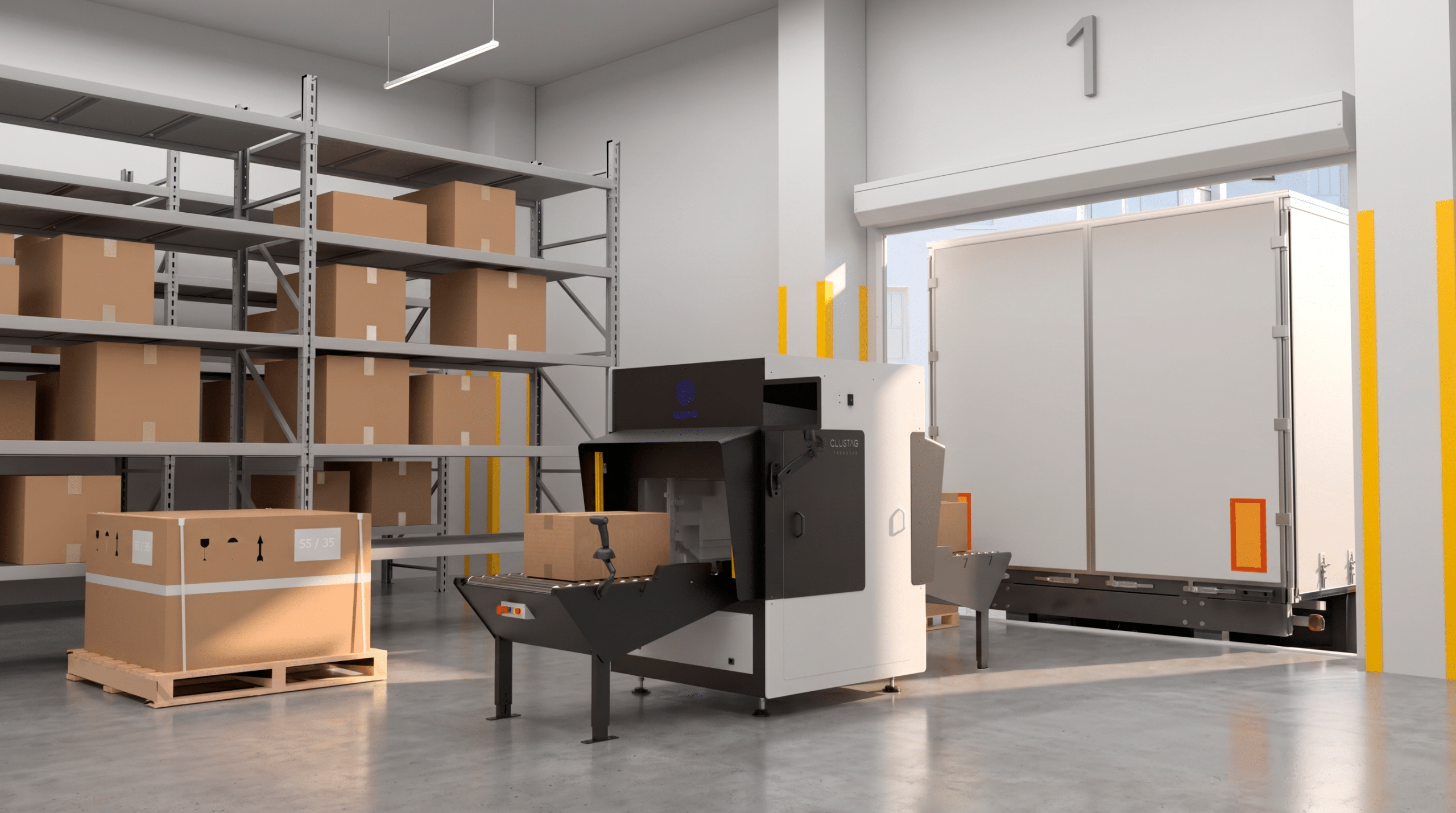
    Clustag’s RFID Solutions, such as the MOT Station, are designed to handle high-throughput environments efficiently. They scan over 1200 boxes per hour and achieve inventory accuracy rates of up to 99,92%, eliminating manual bottlenecks and reducing technological errors during receiving.

    RAIN RFID technology errors before they escalate

    One major benefit of RFID receiving accuracy is detecting errors at the point of entry. These include:

    Container-type scanning: boxes, pallets, and GOH

    Inbound shipments often arrive in different formats, each presents unique verification challenges. Clustag’s RFID solutions adapt to all container types:

    This flexibility ensures that goods are verified accurately and efficiently, supporting RFID shipments verification across all formats.

    Enhancing supplier reliability

    RFID receiving accuracy also improves supplier accountability. Automation allows retailers to:

    As a result, suppliers consistently meet quality and accuracy standards, creating a more transparent and reliable supply chain.

    Real-time inventory visibility from day one

    Once items are verified, RFID provides real-time inventory visibility. Each scanned item logs instantly into the warehouse management system (WMS), providing:

    This visibility enables retailers to make informed decisions about stock allocation, replenishment, and logistics planning. It also supports real-time inbound logistics, keeping inventory aligned with demand.

    How Clustag enhances inbound verification with RFID

    At Clustag, we understand that inbound verification is more than a technical process; it is a strategic opportunity to gain control, reduce errors, and improve supplier accountability from the very first scan. Our RFID ecosystem delivers receiving accuracy at scale, tailored to the real-world needs of retail warehouses.

    The MOT Station, equipped with high-performance RFID tunnel technology, scans over 1200 boxes per hour with up to 99.92% accuracy. This ensures faster receiving, fewer manual interventions, and immediate detection of errors such as mislabeling, unreadable tags, or incorrect shipments.

    Zentup and container-type flexibility

    Beyond speed and precision, Clustag’s solutions support container-type flexibility. Whether goods arrive in boxes, pallets or GOH formats, our RFID infrastructure ensures seamless verification. Integrated with Zentup, our middleware platform, all captured data is instantly synchronized with ERP or WMS systems.

    This enables real-time inventory visibility, automated inbound reconciliations, and actionable insights for logistics teams.

    By choosing Clustag, retailers gain a partner committed to operational excellence. Our RFID solutions automate inbound verification and elevate the reliability of the entire supply chain.

    To find out more about how RFID can transform your intralogistics operations, contact us here. Our team will be gratified to guide you through the possibilities of receiving accuracy and help you explore the best solution for your warehouse.