Category: Outbound Verification

  • RFID Tunnel As The First Step Toward Warehouse Automation

    RFID Tunnel As The First Step Toward Warehouse Automation

    An RFID tunnel is one of the most effective ways to bridge the gap between manual warehouse operations and advanced automation. For many operations leaders, the challenge is not whether to automate, but when and how to do it without disrupting performance or overinvesting too early.

    In environments where manual handling still dominates, introducing controlled and scalable automation becomes a strategic decision. The goal is to improve data capture, traceability, and throughput while maintaining operational flexibility.

    The real question is not about adopting automation, but about identifying the indicators that justify it.

    Why manual environments reach their limits

    Before implementing any solution, we need to understand the operational pain points that reveal the need for change. Manual processes can work effectively up to a certain scale, but they eventually show structural limitations.

    Data inconsistencies and lack of real-time visibility

    In manual workflows, data capture depends heavily on operators. Barcode scans, visual checks, or manual inputs introduce variability and errors.

    Typical signals include

    • Mismatches between physical stock and system records
    • Delayed updates in inventory systems
    • Limited traceability across movements

    This lack of reliable data affects decision-making at every level, from daily operations to strategic planning.

    Increasing pressure on throughput and labor

    As volumes grow, manual processes become harder to sustain. Scaling operations often means scaling workforce, which is not always efficient.

    Key indicators include

    • Rising labor costs per processed unit
    • Difficulty maintaining peak productivity
    • Bottlenecks at critical control points

    At this stage, improving efficiency requires more than optimization—it requires introducing automation in a controlled way.

    RFID tunnel as a scalable entry point into automation

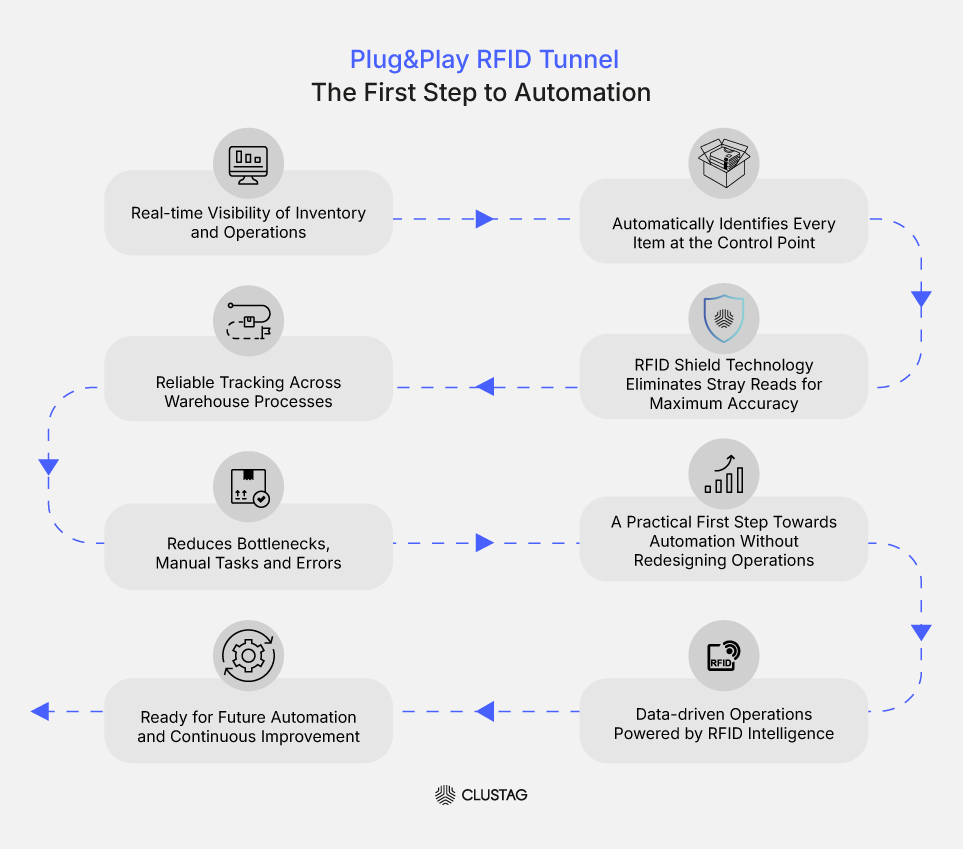
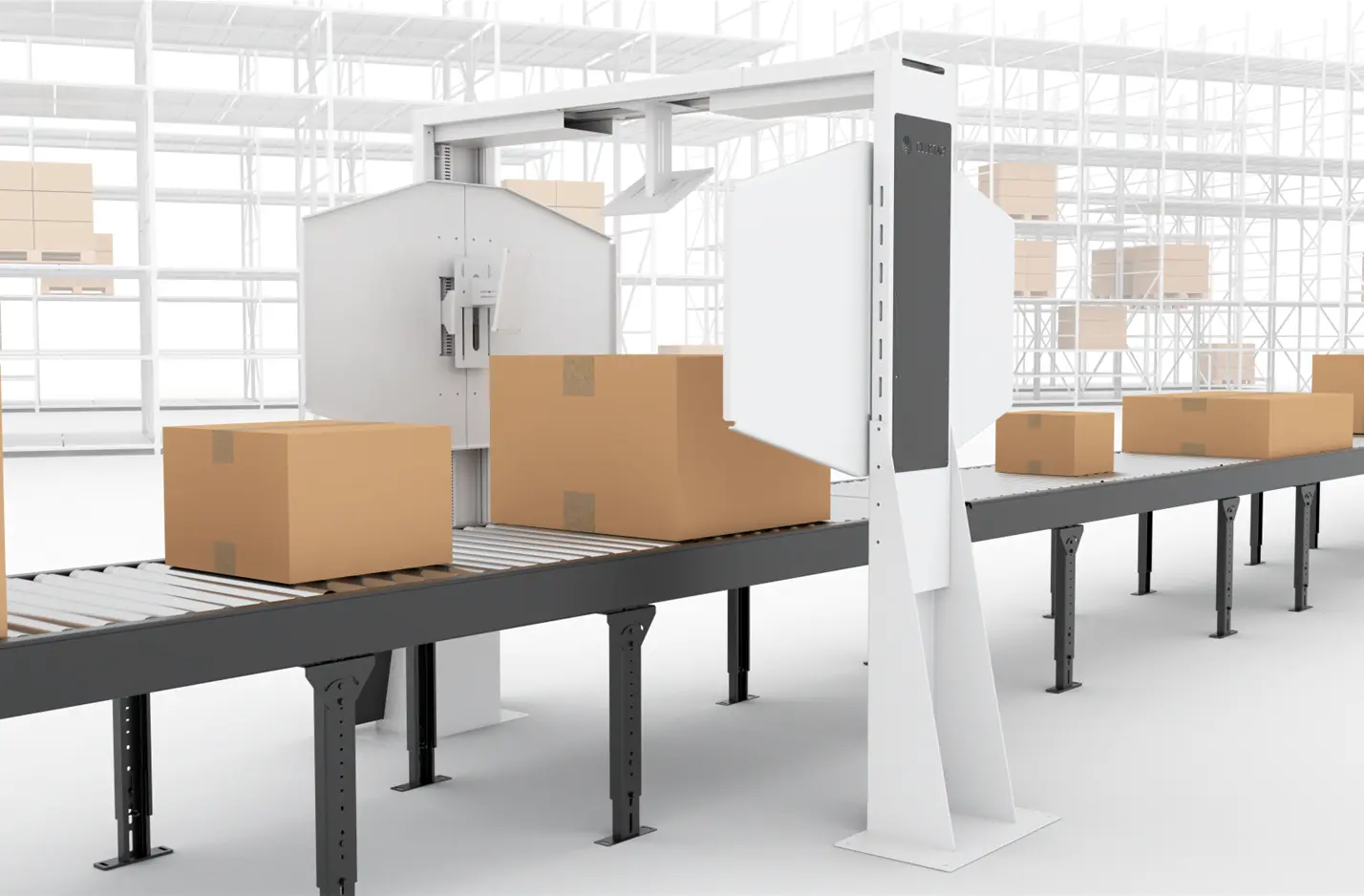
    An RFID tunnel provides a structured and progressive approach to automation. Instead of redesigning the entire warehouse, we introduce automation at key checkpoints where it generates the highest impact.

    Controlled automation without process disruption

    One of the main advantages of semi-automated systems is that they adapt to existing workflows rather than replacing them.

    This allows us to

    • Maintain current operational logic
    • Introduce automation incrementally
    • Minimize resistance to change within teams

    The result is a smoother transition from manual to data-driven operations.

    Consistent and automated data capture

    An RFID tunnel ensures that every item passing through a control point is automatically identified and recorded.

    With solutions like Clustag RFID Systems, we can

    • Eliminate manual scanning errors
    • Capture data in real time
    • Standardize information flows across operations

    This consistency is essential for building reliable analytics and improving overall performance.

    The importance of encapsulation in RFID tunnel performance

    Not all RFID implementations deliver the same results. One critical factor that often determines success or failure is how well the reading environment is controlled.

    Eliminating stray reads and improving accuracy

    Warehouses are complex RF environments, where signals can interfere and produce inaccurate readings.

    A proper encapsulation strategy allows us to

    • Isolate the reading zone
    • Prevent unwanted tag detection
    • Improve read precision

    This is where RFID Shield Technology becomes essential, ensuring that the tunnel reads exactly what it should, and nothing more.

    Building trust in operational data

    When data is inconsistent, teams stop relying on it. A well-encapsulated RFID tunnel guarantees stable performance and builds confidence across the organization.

    This leads to

    • Better operational decisions
    • Higher adoption of technology
    • Stronger alignment between systems and reality

    Turning RFID tunnel data into operational intelligence

    The value of an RFID tunnel goes beyond identification. It becomes a powerful source of data that can transform how warehouses operate.

    From raw reads to meaningful insights

    Capturing data is only the first step. Processing and structuring it is what creates value.

    With Zentup data intelligence, we can

    • Convert raw reads into actionable events
    • Visualize flows in real time
    • Detect inefficiencies and process deviations

    Enabling future automation strategies

    Reliable data is the foundation for more advanced initiatives. Once an RFID tunnel is in place, it becomes easier to evolve toward higher levels of automation.

    This includes

    • Predictive process optimization
    • Integration with automated systems
    • Continuous improvement based on real data

    Comparing manual processes and RFID tunnel implementation

    To support decision-making, it is essential to compare current operations with a semi-automated approach.

    Operational factorManual environmentRFID tunnel approach
    Data accuracyOperator-dependentAutomated and consistent
    TraceabilityPartial and delayedReal-time visibility
    ThroughputLimited by laborIncreased without major changes
    ScalabilityComplex and costlyProgressive and controlled
    ReliabilityVariableStable and predictable

    This comparison helps operations directors quantify the impact and justify the transition based on measurable improvements.

    When an RFID tunnel becomes the right decision

    Not every warehouse needs full automation, but many reach a point where manual processes are no longer enough.

    The right moment typically arrives when

    • Data errors start impacting business outcomes
    • Labor costs scale faster than productivity
    • Traceability becomes a critical requirement

    At this stage, an RFID tunnel is not just an improvement—it is a strategic step forward.

    From operational challenge to practical solution

    Once these indicators are clear, the next step is choosing a solution that combines performance, ease of implementation, and scalability.

    Solutions like the MOT Lite A34 represent this approach, offering

    • Plug-and-play deployment to reduce implementation time
    • Controlled RFID environments with proper encapsulation
    • Reliable data capture ready to be integrated into existing systems

    If you want to explore how this type of solution can fit your operation, we invite you to discover the MOT Lite solution and evaluate its potential in your environment.

    The most effective path to automation starts with control, visibility, and the ability to scale at your own pace.

    We also recommend visiting our Customer Experience Center to test these solutions with your own products or contacting our team to assess your specific use case.

  • Dock Validation: The Final Frontier of Supply Chain Efficiency

    Dock Validation: The Final Frontier of Supply Chain Efficiency

    The loading dock is often the most overlooked area of the warehouse, yet it is arguably the most critical. It represents the “moment of truth” where all previous efforts planning, picking, and packing must culminate in a perfect delivery.

    Historically, dock validation have been treated as a simple transition point. However, in today’s high-velocity logistics environment, the dock has evolved into a strategic decision node. Any failure here a missed pallet, a wrong truck assignment, or a manual scanning error cascades into customer dissatisfaction and significant operational costs. At Clustag, we transform this “operational bottleneck” into a streamlined, automated, and data-driven process.

    “The dock is no longer just a place where goods pass through; it is the final filter for quality and the last chance to ensure that what was promised is what is delivered.” Luis Rius, CEO at Clustag

    Why Dock Operations Often Break Down

    Traditional dock management relies heavily on manual intervention and visual checks. Even in highly automated warehouses, the “last yard” of the loading process often remains a manual blind spot. When shipping volumes peak, these manual processes inevitably lead to friction.

    Common challenges at the loading dock:

    • Loading errors: Pallets loaded onto the wrong carrier or route.
    • Manual bottleneck: Drivers and operators waiting for manual paperwork or barcode scans.
    • Inbound/Outbound friction: Lack of real-time synchronization between the warehouse and the transport fleet.
    • Data gaps: A loss of visibility the moment a pallet leaves the packing station but hasn’t yet entered the truck.

    Without automated validation, the dock remains a source of risk rather than a source of value.

    How RFID Transforms Dock Validation into a Traceable Flow

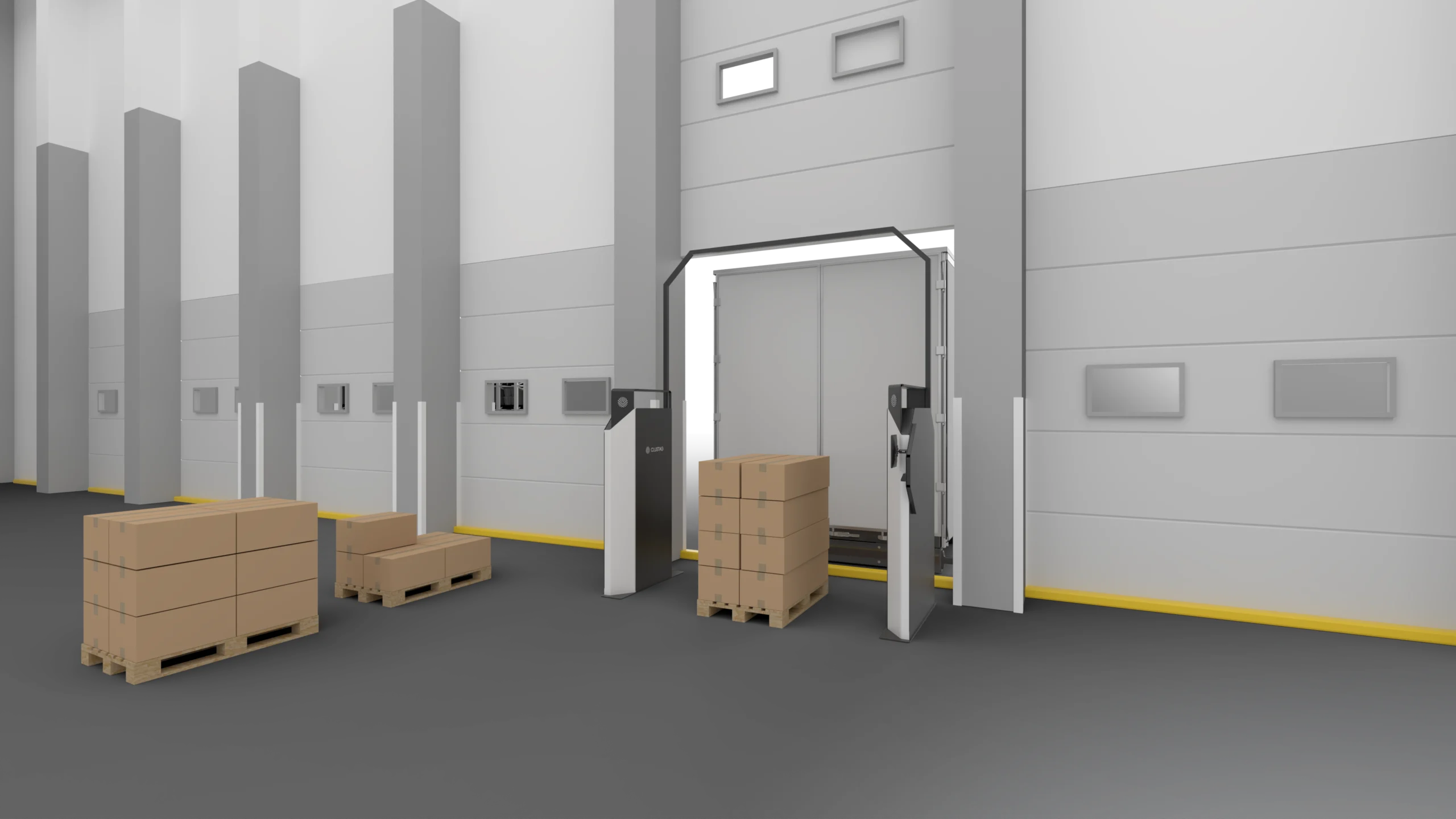
    With Clustag RFID Solutions, dock shipping validation shifts from a fragmented manual task to a fully automated, item-level flow. By deploying RAIN RFID portals at each dock door, we eliminate the need for operators to stop and scan.

    The process is designed for maximum velocity:

    1. Automatic Identification: As a forklift or pallet jack passes through the RFID portal, every item is identified instantly without line-of-sight.
    2. Real-Time Validation: Our software, Zentup, cross-references the RFID data with the shipping order in the WMS/ERP. If a pallet is heading to the wrong dock, the system triggers an immediate alert.
    3. Carrier Coordination: The system records the exact timestamp of departure, providing irrefutable proof of delivery to the carrier and closing the traceability loop.

    Business Impact of Automated Dock Validation

    When accurate, automated data capture supports the outbound process, the results are measurable across both financial and operational KPIs.

    Operational ChallengeImpact with Clustag RFID
    Shipping ErrorsReduction of mis-shipments to near 0%
    Loading SpeedUp to 80% faster dock turnaround times
    Labor CostsElimination of manual scanning and double-checks
    Dispute ManagementDigital “Proof of Load” reduces carrier claims

    Why Clustag is Built for Scalable Dock Automation

    Our approach to dock validation goes beyond hardware. We provide an integrated ecosystem that handles the complexity of high-density RFID environments:

    • Zentup Integration: Our platform acts as the brain, translating billions of RFID reads into actionable warehouse events for your ERP or WMS.
    • Global Scalability: Whether you manage a single facility or a global network, our solutions provide a standardized data model for all shipping operations.

    Turning Dock Management into a Competitive Advantage

    Optimizing the loading dock is no longer optional. It is a fundamental pillar of a modern, resilient supply chain. By replacing manual uncertainty with RFID-driven precision, retailers and logistics providers can ensure that their outbound flow is as fast and accurate as their automated storage systems.

    At Clustag, we don’t just provide technology; we provide the visibility and control needed to master the final step of the logistics journey.

    Ready to eliminate shipping errors?

    Contact our experts to learn how Clustag can automate your dock operations.

  • RFID Portal: What It Is, How It Works, and Why Businesses Use It

    RFID Portal: What It Is, How It Works, and Why Businesses Use It

    Modern facilities need to track the movement of people, vehicles, and goods quickly and accurately. However, manual checks, barcode scans, and traditional access systems often create delays, errors, and limited visibility.

    An RFID Portal addresses these challenges by automatically identifying tagged items as they pass through a controlled area, without requiring line of sight or operator intervention. As part of modern RFID solutions, RFID portals help organizations achieve greater accuracy, automation, and real-time visibility across operations.

    The Challenge of Controlling Access and Movement

    As operations grow, managing the flow of people, vehicles, and assets becomes increasingly complex.

    Organizations commonly face:

    • Congestion at entry and exit points.
    • Manual registration errors.
    • Limited traceability.
    • Delayed operational processes.
    • Reduced visibility of movements.
    • Difficulty auditing assets and activities.

    These challenges often result in inefficiencies, higher operating costs, and limited operational control.

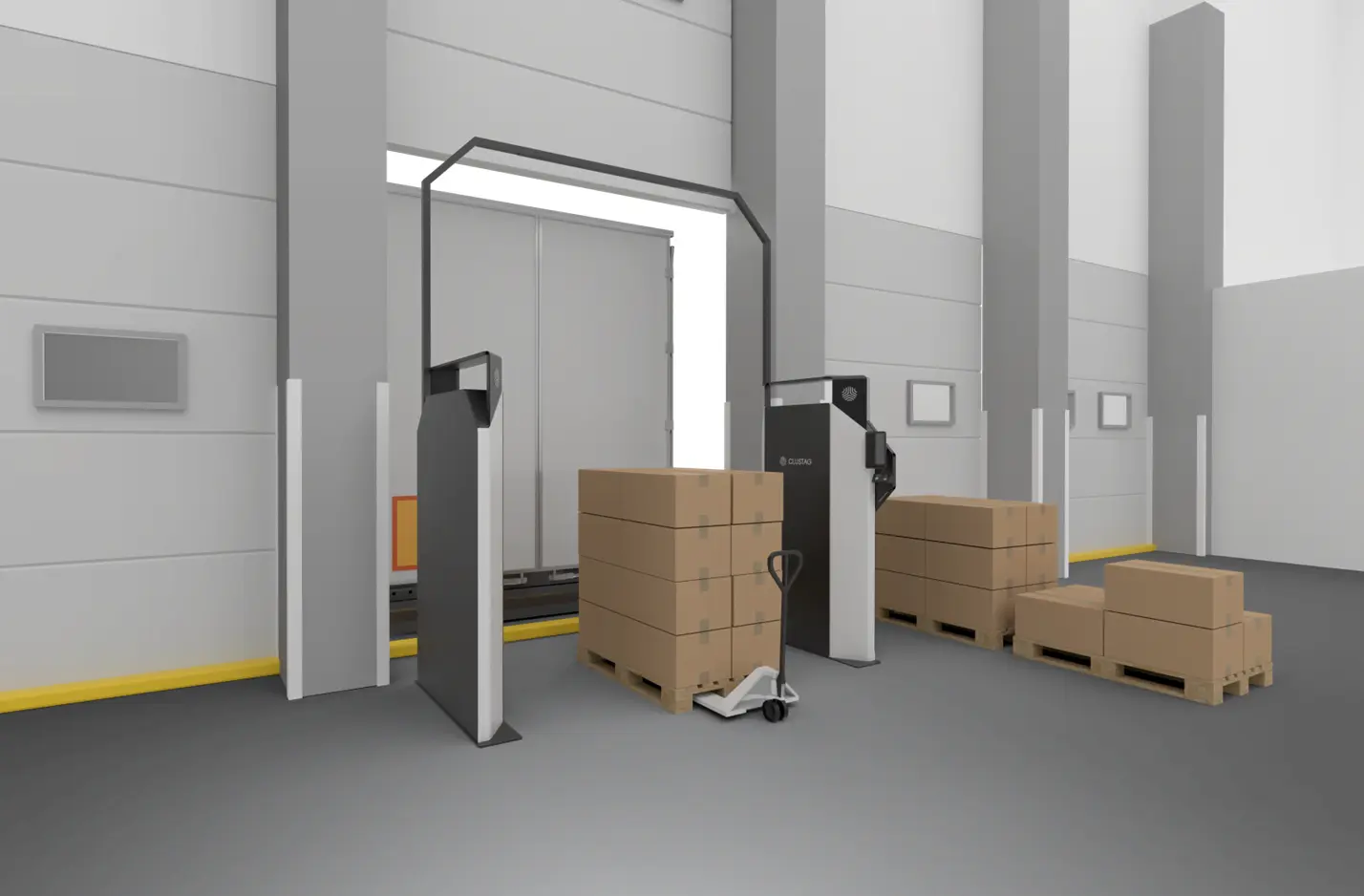
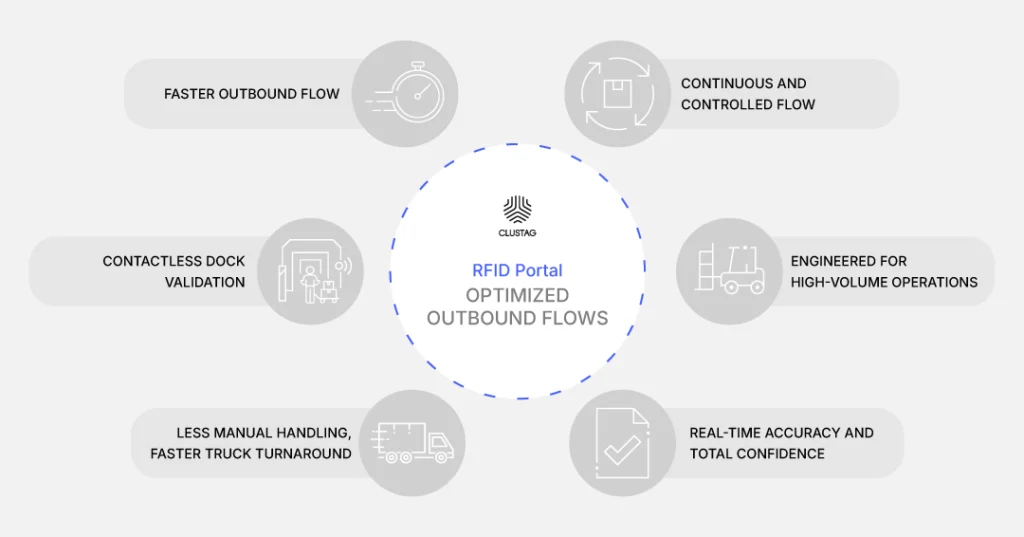
    Boost outbound speed with the RFID portal, streamlining loading‑dock workflows and reducing manual checks.

    What Is an RFID Portal?

    An RFID Portal is a physical structure equipped with RFID readers and antennas that automatically detect RFID tags moving through a predefined passage point.

    Unlike traditional identification technologies, RFID does not require direct visibility between the reader and the tagged item. Multiple tagged assets can be identified simultaneously, even when placed inside cartons, pallets, or moving through the portal.

    What Makes RFID Different?

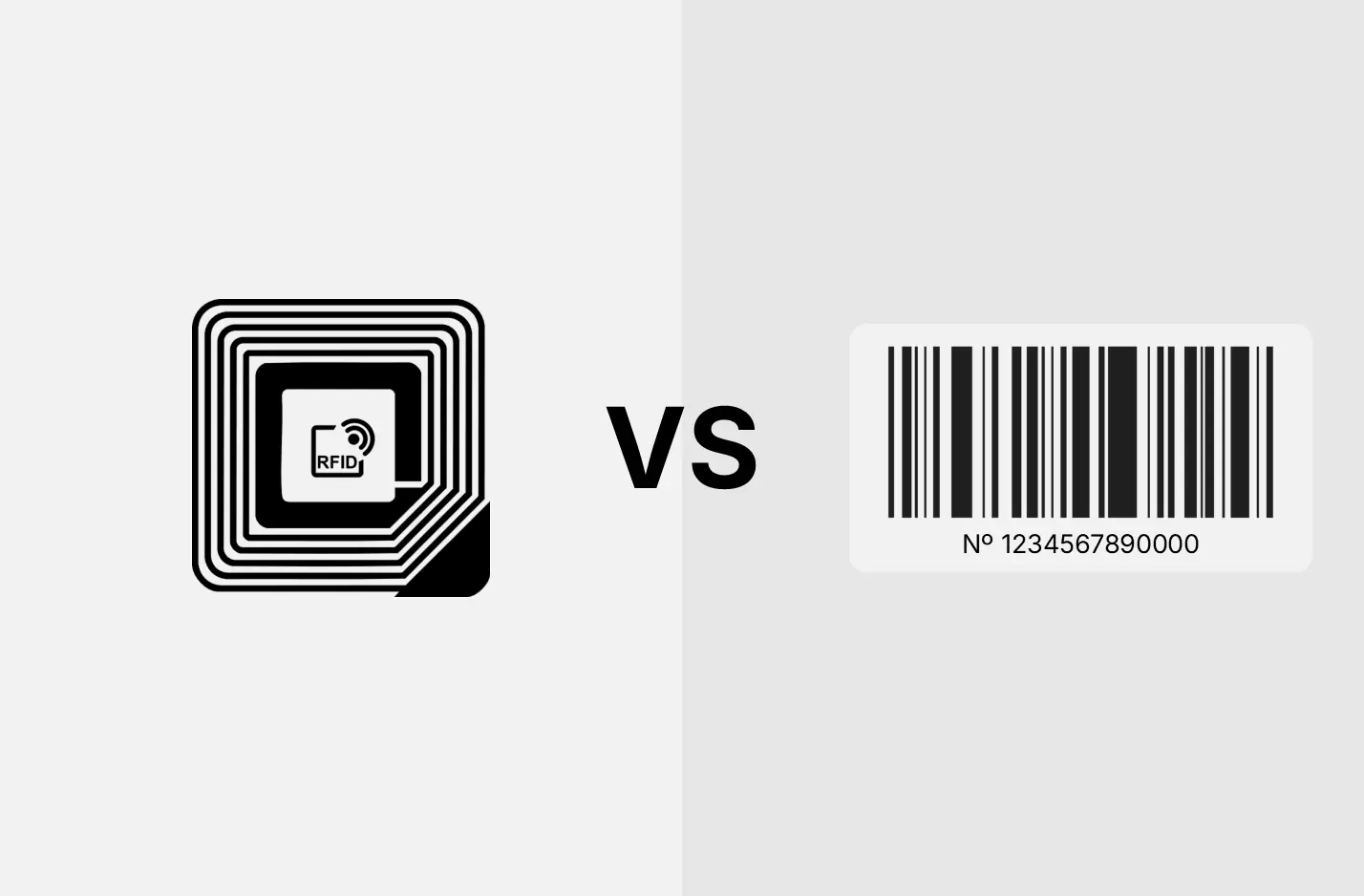
    Unlike barcodes and QR codes, RFID technology enables automatic identification without requiring manual scans or direct line of sight. Multiple tags can be read simultaneously, significantly increasing speed and efficiency.

    Compared to NFC, which is designed for short-range interactions such as access cards or contactless payments, UHF RFID provides longer reading distances and is better suited for logistics, manufacturing, and asset tracking environments.

    As a result, RFID portals allow organizations to automate identification processes while maintaining speed, accuracy, and operational visibility.

    How Does an RFID Portal Work?

    The process is simple:

    1. Tagged assets enter the reading zone.
    2. RFID antennas generate an electromagnetic field.
    3. RFID tags respond with their unique identifier.
    4. The reader captures and processes the information.
    5. Middleware validates the data.
    6. ERP, WMS, or security systems register the event in real time.

    The automated workflow eliminates manual scanning and provides instant visibility of physical movements throughout the facility.

    Common RFID Portal Applications

    Access Control for People and Vehicles

    RFID portals automatically identify employees, visitors, contractors, and vehicles entering or leaving a facility.

    Benefits include:

    • Faster access validation.
    • Improved security and compliance.
    • Automated attendance records.
    • Reduced waiting times.

    Warehouse and Distribution Operations

    In logistics environments, RFID portals can automatically verify pallets, cartons, and shipments at receiving and shipping points.

    Benefits include:

    • Elimination of manual scanning.
    • Faster loading and unloading processes.
    • Improved inventory accuracy.
    • Real-time shipment visibility.
    • Reduced shipping errors.

    These capabilities are particularly valuable in Outbound Verification processes, where RFID portals validate outgoing shipments automatically and help maintain operational flow.

    Manufacturing Traceability

    RFID portals can monitor the movement of components and work-in-progress items between production stages.

    Benefits include:

    • Greater production visibility.
    • Improved traceability.
    • Reduced process errors.
    • Better quality control.
    Boost outbound speed with the RFID portal, streamlining loading‑dock workflows and reducing manual checks.

    Benefits of RFID Portals

    RFID portals help organizations automate identification processes while improving operational efficiency and accuracy.

    Traditional Process vs RFID Portal

    Operational ChallengeTraditional ProcessRFID Portal
    Verify a pallet before shippingManual scanning and visual checksAutomatic validation while pallets are moving
    Maintain loading speedFrequent stops and operator interventionContinuous operational flow
    Prevent shipping errorsDependent on manual checksAutomated order verification
    Handle peak-season volumesIncreased workload and congestionScalable performance under high throughput
    Gain shipment visibilityDelayed or incomplete informationReal-time tracking and status updates
    Keep trucks movingLoading dock bottlenecksFaster turnaround and reduced waiting times

    Key Considerations Before Installing an RFID Portal

    Several factors can influence portal performance:

    • Metal-rich environments.
    • Liquids near the reading area.
    • Antenna positioning and configuration.
    • RFID tag selection.
    • Required reading distance.
    • Integration with existing systems.

    With proper design, testing, and deployment, these challenges can be effectively addressed to ensure reliable performance and high read accuracy.

    Integrating RFID Portals with Business Systems

    The value of RFID extends beyond data capture. By integrating RFID portal data with ERP, WMS, security, or manufacturing systems, organizations can automate workflows and gain end-to-end visibility.

    At Clustag, RFID events can be integrated with the Zentup RFID Software Platform, transforming raw reads into actionable operational intelligence and real-time decision-making data.

    Frequently Asked Questions

    How far can an RFID Portal read?

    Reading distance depends on the tag type, antenna configuration, and operating environment. UHF RFID portals typically read tags from several meters away.

    Can an RFID Portal read multiple tags at the same time?

    Yes. RFID technology uses anti-collision protocols that allow multiple tags to be identified simultaneously and in motion.

    Can RFID tags be read inside boxes?

    Yes. RFID signals can generally penetrate cardboard, plastic, and most packaging materials without requiring direct line of sight.

    What is the difference between an RFID Portal and a handheld RFID reader?

    An RFID Portal automatically captures movements at fixed checkpoints, while handheld readers are designed for manual tasks such as inventory counts and asset searches.

    What maintenance does an RFID Portal require?

    Typical maintenance includes antenna inspections, firmware updates, and periodic performance validation. Compared to mechanical systems, maintenance requirements are generally low.

    Improve Visibility and Control with RFID

    Whether your goal is to automate access control, improve warehouse traceability, or streamline outbound verification processes, RFID portals provide a reliable and scalable solution.

    Looking to see RFID in action? Visit Clustag’s Customer Experience Center and discover how RFID portals can improve visibility, accuracy, and operational efficiency across your facility.

  • Beyond Cycle Counts How Always on RFID Is Transforming Inventory Accuracy in Warehouses

    Beyond Cycle Counts How Always on RFID Is Transforming Inventory Accuracy in Warehouses

    Achieving rfid inventory accuracy is becoming essential for every logistics operation that demands real time visibility, seamless traceability and higher fulfillment performance. As warehouse complexity increases and customer expectations accelerate, we cannot afford delays, blind spots or manual counting processes that interrupt workflows and create inconsistent data. With Clustag’s RFID intralogistics ecosystem, we elevate inventory management to a continuous, automated and highly reliable process that empowers us to operate with precision at every movement of the product.

    Elevating warehouse operations with RFID inventory accuracy

    Ensuring rfid inventory accuracy allows us to move from periodic cycle counts to uninterrupted visibility. When inventory data remains updated throughout inbound, outbound and picking activities, we eliminate operational inefficiencies and unlock a new level of responsiveness.

    Replacing manual cycle counts with continuous RFID visibility

    Manual cycle counting consumes time, resources and disrupts operations. By deploying Clustag’s RFID tunnels, MOT Stations and AS/RS integrated read points, we achieve automated item level reading that updates records instantly. These systems capture hundreds or even thousands of tags in seconds, enabling nonstop verification without slowing conveyors or teams on the floor.

    Strengthening data quality through controlled reading environments

    Our solutions are engineered with mechanical shielding that isolates the reading area, preventing stray reads and ensuring precise EPC detection. This design guarantees consistent rfid inventory accuracy throughout high volume processes, from inbound reception to outbound validation.

    Improving operational flow through real time synchronization

    ZENTUP, our RFID data platform, ensures that every read is validated and transmitted in real time to WMS, ERP or WCS systems. This constant synchronization minimizes discrepancies, streamlines root cause analysis and enhances decision making across the warehouse.

    Enhancing logistics processes through accurate RFID data

    Building rfid inventory accuracy into daily operations improves performance in every stage of the warehouse. Our ecosystem is adaptable to automated systems, manual workflows and high speed conveyor environments.

    Streamlining inbound verification

    Inbound operations benefit greatly from automated content checks. With our RFID tunnels and read points, we validate quantities, detect encoding issues and prevent supplier errors before they impact stock availability. This accuracy strengthens downstream picking and shipping processes.

    Accelerating picking workflows with real time item insights

    Whether in shelf to person, person to good or ASRS environments, instant item level visibility enhances picking efficiency. Operators confirm item correctness without manual scanning, reducing exceptions and improving throughput.

    Securing outbound accuracy and reducing costly returns

    Outbound control becomes more reliable when shipments are validated automatically. Our stations verify carton and pallet content with high accuracy, helping prevent mispicks, chargebacks and customer dissatisfaction. With rfid inventory accuracy as a baseline, fulfillment becomes faster and more consistent.

    Building sustainable and resilient warehouse operations through RFID inventory accuracy

    Real time RFID visibility not only optimizes day to day operations but also supports long term efficiency and sustainability initiatives.

    Reducing operational waste and unnecessary movements

    Every incorrect shipment or inbound discrepancy adds avoidable labor, transport and energy consumption. Accurate RFID data minimizes rework and prevents inefficiencies from escalating through the supply chain.

    Ensuring long term reliability through robust electromechanical design

    We design and manufacture our hardware in house, ensuring durability and performance in demanding industrial environments. This engineering approach guarantees that rfid inventory accuracy remains consistent across continuous high speed operations.

    Supporting end to end traceability across the supply chain

    From source tagging to last mile delivery, RFID delivers a continuous view of inventory. With accurate data driving forecasting, replenishment and fulfillment strategies, we help companies meet service levels while reducing operational risks.

    Transforming warehouse intelligence with RFID inventory accuracy

    As warehouses evolve toward higher automation and real time operations, achieving rfid inventory accuracy becomes the foundation for resilient, efficient and scalable logistics. Our RFID intralogistics ecosystem enables companies to work with confidence, speed and traceability at every stage of material flow.

    We invite you to experience our RFID solutions firsthand at our customer experience center. Bring your own products and validate how our technology performs under real operating conditions. You can also contact us through our form and we will help you shape the ideal roadmap toward real time, automated warehouse visibility.

  • RFID vs Barcode: Which Is Better for Inventory Accuracy?

    RFID vs Barcode: Which Is Better for Inventory Accuracy?

    We operate in a landscape where supply chains move faster than ever, and real-time visibility has become a competitive advantage. Businesses across retail, logistics, and manufacturing rely on identification systems that reduce errors, minimize manual effort, and support scalable digital operations.

    As operational complexity increases, many organizations begin evaluating RFID vs Barcode to determine which technology better supports modern inventory management and accuracy requirements.

    If you are looking to strengthen inventory control and streamline workflows, understanding how these technologies compare is essential.

    Understanding how identification technologies impact operational accuracy

    Selecting the right identification method directly influences how efficiently teams can manage stock, validate shipments, perform cycle counts, and maintain end-to-end traceability.

    Both barcode and RFID technologies are widely used across warehouses, stores, and distribution centers. However, their capabilities differ significantly when accuracy, speed, and automation are priorities.

    Inventory visibility improvements

    RFID enables real-time item recognition without requiring line-of-sight scanning. This allows teams to capture data automatically and perform inventory checks with minimal operational disruption.

    With RFID, organizations can:

    • Complete cycle counts in minutes
    • Detect discrepancies immediately
    • Maintain continuous visibility of item movements

    Barcode-based counting depends on manual scanning. Each label must be visible and individually captured, increasing processing time and the risk of missed items.

    Error reduction and operational consistency

    Manual barcode workflows introduce variability into daily operations. Even experienced operators may encounter missed scans, fatigue-related errors, and inconsistencies.

    RFID systems reduce human intervention through automated reading. Multiple items are detected simultaneously, improving reliability across inbound validation, outbound verification, and audit processes. The result is a more stable and predictable operational environment.

    Speed of execution

    Execution speed plays a critical role in maintaining accurate inventory data.

    RFID technology supports batch or mass reading, allowing hundreds of items to be identified in seconds. Faster data capture enables more frequent checks and validation processes. Barcode systems require sequential scanning, meaning each item must be processed individually. In high-volume environments, this constraint can significantly limit throughput.

    Practical considerations when choosing between RFID and Barcode

    Evaluating RFID and barcode technologies requires analyzing how each system performs within a specific operational context.

    Reading environment and performance factors

    RFID performance can be influenced by materials such as metal or liquids. Well-designed RFID systems mitigate these challenges through shielding techniques, controlled read zones, and optimized hardware configuration.

    Barcode labels remain dependable but rely on clear visibility, correct orientation, and physical access for scanning.

    Integration and workflow compatibility

    RFID integrates naturally into automated workflows, including conveyor systems, packing stations, receiving docks, and tunnel validation systems.

    Barcode systems are simpler to deploy initially but less scalable when operations demand multi-item validation, high-speed automation, or real-time tracking.

    Investment and ROI expectations

    Barcode solutions offer a low-cost entry point and remain effective for basic workflows. RFID deployments typically involve a higher initial investment but deliver long-term value through labor reduction, accuracy improvements, and process automation. Organizations increasingly evaluate identification technologies based on operational impact and scalability.

    How Clustag enhances RFID identification and accuracy

    Clustag Smart RFID Solutions are designed to deliver reliable and high-precision identification across retail and logistics operations.

    By combining advanced hardware with intelligent software, Clustag systems ensure consistent read performance even in complex environments.

    Enhanced accuracy across retail and logistics

    Clustag validation surfaces and RFID tunnel systems support seamless inbound checks, shipment verification, and product authentication. Near-field reading and isolated scanning environments help ensure every item is captured correctly, even when products are densely grouped.

    Optimized operator efficiency

    Clustag interfaces are designed to simplify validation tasks for warehouse and store teams. Clear visual feedback and guided workflows reduce training time while improving process consistency.

    Scalable technology for evolving operations

    RFID-enabled infrastructures allow organizations to expand validation points, integrate automation, and extend tracking capabilities as operational needs grow. RFID becomes a strategic foundation for long-term supply chain optimization.

    RFID vs barcode: making the right decision

    Barcode technology remains effective when operations are relatively simple, volumes are moderate, and automation is not a priority.

    RFID becomes particularly valuable when inventory accuracy is critical, speed and efficiency are essential, and processes require higher levels of automation and visibility.

    Explore how RFID can improve your operations

    Improving inventory accuracy requires more than selecting a technology. It involves designing workflows that ensure reliable data capture, operational efficiency, and long-term scalability. If you are evaluating RFID solutions or considering an upgrade from barcode-based processes, our team can help you assess the best approach for your environment. You can contact us to discuss your operational needs or schedule a visit to the Clustag Customer Experience Center, where you can experience our RFID systems in real scenarios.

  • Tailored RFID Store Solutions for Modern Retail Operations

    Tailored RFID Store Solutions for Modern Retail Operations

    In the current retail environment, operational pressure continues to rise as brands face increasing inventory complexity, omnichannel demand, and rapid product rotation. To stay competitive, retailers are increasingly turning to RFID Store Transfer Solution that strengthen accuracy, accelerate workflows, and deliver real-time visibility without adding complexity.

    Our approach focuses on building adaptable, data-driven configurations that simplify store execution and enhance decision-making. By analyzing how each operation truly works, we help teams remove friction, strengthen control, and elevate performance across every store.

    Building Adaptable Systems for Store Performance

    Every store has unique dynamics, layout restrictions, and operational priorities. Rather than applying generic templates, we build flexible configurations that respond to how each store actually functions.

    Understanding Store Dynamics

    Backrooms face constant pressures such as:

    • Variable shipment sizes.
    • Seasonal return peaks.
    • High SKU density.
    • Unpredictable customer demand.

    By observing these patterns, we codesign reading points and validation flows that stay consistent even under fluctuating volumes. Our goal is to ensure every store captures reliable item-level data without interruptions.

    Aligning with Strategic Retail Goals

    Retailers operate with different priorities: sustainability, reduced shrinkage, improved omnichannel accuracy, or faster replenishment. We map our configurations to these priorities, ensuring data consistency from inbound to sales floor and supporting stronger fulfillment and inventory integrity through specialized RFID Store Solutions.

    Designing Solutions That Scale With Your Operations

    A future‑ready store system must evolve over time. For this reason, we create modular RFID configurations powered by a Smart RFID ecosystem that ensures software, devices, and data flows remain synchronized as the business grows.

    • Combining Automation with Human Efficiency: Store teams gain agility when repetitive tasks are removed. Automated read points and verification steps streamline counts and allow staff to focus on customer experience.
    • Superior Accuracy through Item‑Level Insight: RAIN RFID technology elevates store visibility by transforming every product movement into actionable information. With high‑performance reading and real‑time synchronization, retailers reduce errors and reinforce inventory integrity.

    Practical Applications to Strengthen Store Execution

    The true impact comes from selecting configurations that respond to specific operational pain points. Our approach focuses on building RFID Store Solutions that solve real problems rather than applying universal models.

    1. Enhancing Inbound Visibility

    For environments affected by slow manual validation or recurring discrepancies, we deploy streamlined inbound verification setups that confirm item accuracy immediately upon arrival. These configurations:

    • Reduce check‑in times.
    • Prevent errors caused by mislabeled units.
    • Accelerate product availability on the sales floor.

    2. Processing Returns with Speed and Precision

    High return volumes can overwhelm backrooms. We design rapid return‑processing workflows equipped with dependable item‑level checks. This prevents missed sales opportunities, especially for brands managing highly seasonal assortments.

    3. Maintaining Real‑Time Stock Awareness

    For locations with large assortments or frequent movement, we implement item‑location scanning routines that help teams detect missing units early. These routines are tailored to each store’s layout, supporting better omnichannel execution.

    Backroom workflow with an RF Surface validation station and Sabi Station processing inventory in a retail backstore environment.

    Creating Value Through the Smart RFID Ecosystem

    Our holistic approach ensures every device, software module, and reading point reinforces the others through a unified architecture.

    • Seamless Enterprise Integration: We ensure every read point aligns with the retailer’s ERP, POS, and e-commerce systems.
    • Operational Evolution: Modular configurations enable retailers to expand functionality or add new read points as campaign cycles and product assortments shift.

    Drive Measurable Impact with Personalized Innovation

    Improving store workflows requires more than deploying technology. It demands a careful study of product behavior, customer journeys, and process rhythms.

    If you are ready to enhance accuracy, visibility, and operational flow across your stores, we invite you to contact our team and explore how a personalized RFID strategy can empower your retail operations.

  • RFID Order Picking: How RFID Eliminates Fulfillment Errors in Ecommerce Shipments

    RFID Order Picking: How RFID Eliminates Fulfillment Errors in Ecommerce Shipments

    In modern ecommerce operations, speed is essential, but it means nothing without accuracy. As order volumes grow, even a small percentage of fulfillment errors can generate significant costs through returns, reshipments, customer complaints, and lost customer loyalty.

    Wrong items, missing products, incorrect sizes, or mixed orders often stem from the same underlying issue: insufficient validation during picking and packing. While manual checks and barcode-based systems can reduce mistakes, they struggle to deliver the accuracy required in high-volume warehouse environments.

    This is why more retailers are turning to RFID order picking and automated outbound verification solutions to ensure every shipment contains exactly what the customer ordered.

    Why Ecommerce Warehouses Still Struggle with Picking Accuracy

    Barcelona, December 23.

    Javier had planned ahead and bought what he thought was the perfect gift: a handbag his sister had wanted for months. He ordered it during Black Friday, confident it would arrive without issues.

    The package arrived on time… but inside were boots he had never ordered.

    The surprise was ruined.

    Javier was not alone. Every day, thousands of ecommerce customers experience similar situations: wrong items, missing products, incorrect variants, or mixed orders. Although the causes may vary, many of these errors share the same underlying problem: a lack of reliable validation before shipment.

    This type of situation breaks customer trust. And in ecommerce, rebuilding that trust can take years.

    Common fulfillment errors include:

    • Picking the wrong item
    • Selecting the wrong size or colour
    • Shipping fewer units than ordered
    • Including incorrect products
    • Mixing orders during packing

    These mistakes become even more frequent during peak periods such as Black Friday, Cyber Monday, or Christmas campaigns, when warehouses process thousands of orders under significant time pressure.

    The Real Cost of a Picking Error

    Every incorrectly prepared order creates both direct and indirect costs.

    Direct costs include:

    • Returns processing
    • Reverse logistics
    • Repacking and reshipping
    • Refunds and compensation
    • Customer support management

    Indirect costs are often even more damaging:

    • Negative online reviews
    • Reduced customer loyalty
    • Lost repeat purchases
    • Brand reputation damage

    For many ecommerce brands, the reputational cost of shipping the wrong product can exceed the value of the order itself.

    Why Traditional Verification Methods Are No Longer Enough

    Most ecommerce warehouses still rely on barcode scanning and manual checks to validate orders.

    While barcode technology remains useful, it presents several limitations:

    • Items must be scanned individually
    • Line of sight is required
    • Labels must be correctly positioned
    • Verification depends on operator performance
    • Damaged labels can generate read failures

    Visual checks introduce additional risks. Fatigue, repetitive tasks, distractions, and pressure to increase productivity make human error unavoidable, especially in high-volume fulfillment operations.

    What Is RFID Order Picking?

    RFID order picking uses radio frequency identification technology to automate product identification and validation throughout the fulfillment process.

    Each item carries a unique RFID tag that can be read automatically without requiring direct visibility. Unlike barcode systems, RFID readers can identify multiple products simultaneously, even when they are already packed inside totes, cartons, or shipping boxes.

    RFID allows warehouses to automatically verify:

    • Which products have been picked
    • The quantity of items included
    • Whether the order is complete
    • Product movements throughout the warehouse
    • Inventory status in real time

    RFID vs Barcode: What Changes in Practice?

    FeatureBarcodeRFID
    Line of sight requiredYesNo
    Multiple item readingNoYes
    Reading speedOne item at a timeMultiple items simultaneously
    Automation levelMediumHigh
    AccuracyOperator dependentAutomated validation

    These capabilities make RFID particularly valuable in fast-paced ecommerce environments where both speed and accuracy are critical.

    How RFID Eliminates Picking Errors

    The key advantage of RFID order picking is automated validation.

    Instead of relying on operators to manually verify every SKU, the system automatically compares the products detected by RFID with the order data stored in the WMS.

    With RFID, warehouses can:

    • Read multiple items simultaneously
    • Eliminate barcode orientation issues
    • Detect missing products instantly
    • Identify extra items before shipment
    • Prevent order mix-ups
    • Update inventory automatically

    As Javier Martínez, RFID Solutions Manager at Clustag, explains:

    “A wrong order is not just a logistics error; it is a broken promise. RFID ensures every box contains exactly what the customer expects.”

    RFID Validation Before Shipment

    Even when products are picked correctly, mistakes can still occur during packing and dispatch.

    Using RFID-based validation, the system automatically confirms:

    • All expected items are present
    • No extra products have been added
    • Contents match the order
    • Orders have not been mixed

    This verification takes place before the shipment leaves the warehouse.

    RFID Tunnels and Verification Stations

    To automate this process, many ecommerce companies deploy RFID tunnels and verification stations.

    Solutions such as Clustag’s RFID tunnels can scan the entire contents of a closed box in seconds and immediately compare the detected products with warehouse management system data.

    If a discrepancy is detected, the shipment is stopped and corrected before dispatch, creating a highly reliable outbound verification process and dramatically reducing shipping errors.

    The Benefits of RFID Order Picking

    When RFID is integrated into picking, packing, and shipping operations, companies typically achieve:

    • Higher picking accuracy
    • Lower shipping error rates
    • Reduced returns
    • Lower reverse logistics costs
    • Better inventory visibility
    • Complete item-level traceability
    • Improved customer satisfaction

    Many operations report error rates falling to below 0.1% after implementing RFID-based verification processes.

    RFID Order Picking in Fashion Logistics

    Fashion and apparel operations are among the biggest beneficiaries of RFID order picking.

    Products often differ only by size, colour, or style reference, making manual verification particularly vulnerable to mistakes. RFID automatically validates every garment before shipment, helping brands improve fulfillment accuracy while maintaining a seamless customer experience.

    Is RFID Right for Your Warehouse?

    Companies evaluating RFID solutions can see these processes in action at Clustag’s Customer Experience Centre, where live demonstrations show how RFID improves picking accuracy, outbound verification, and warehouse efficiency.

    Frequently Asked Questions

    Does RFID work with all products?

    Most products can be tagged with RFID. Metal items and liquids may require specialised tag designs or reading configurations.

    Can RFID integrate with my current WMS?

    Yes. Modern RFID solutions typically integrate with existing warehouse management systems and ERP platforms through APIs and standard connectors.

    Can RFID be used beyond order picking?

    Absolutely. RFID supports inventory management, receiving, replenishment, picking, packing, shipping, and full item-level traceability throughout the supply chain.

  • Outbound verification: Your shield against chargebacks

    Outbound verification: Your shield against chargebacks

    Why outbound verification matters for retail compliance

    Wholesale operations with major retailers likeNordstrom, Macy’s, and Walmart demand strict compliance with shipping standards. Any non-conformity,such as incorrect quantities, missing RFID tags, or misaligned labeling , can trigger chargebacks, costly returns, and strained relationships. In a margin‑sensitive market, avoiding these penalties is critical.

    Retailers have issued RFID mandates to suppliers, requiring item-level tagging and GS1/EPC compliance to ensure visibility and accuracy across the supply chain. Failure to comply can lead to financial penalties and even loss of vendor status

    “Outbound verification is not just a technical step, it’s the last safeguard before goods leave the warehouse. Automating this process with RFID ensures compliance and protects margins.” Manolo Reguart

    The Challenge: The risks of skipping outbound verification in wholesale operations

    Outbound verification is the final checkpoint before goods leave the distribution center. Manual checks are slow, error‑prone, and incompatible with high‑volume environments.

    Key risks include:

    • Incorrect item counts or SKU mismatches
    • Missing or unreadable RFID tags
    • Packaging errors violating retailer specifications

    Impact:

    • Chargebacks and financial penalties
    • Operational inefficiencies due to rework and returns
    • Loss of trust with strategic retail partners

    According to GS1 standards, EPC/RFID compliance is essential for traceability and retail mandates.

    Meeting retail mandates and GS1 Standards

    Clustag delivers an advanced RFID ecosystem designed for automated outbound verification, integrating seamlessly with ERP/WMS systems and supporting both manual and automated workflows.

    Core Features of RFID outbound verification

    • Item‑Level Accuracy: Reads thousands of RFID tags in seconds, ensuring 100% verification before sealing
    • RFID‑Shield Technology: Prevents cross‑reading between pallets and boxes
    • Real‑Time Alerts: Immediate notifications for discrepancies between shipment and order data
    • Scalable Integration: Works with conveyor systems, AGVs, and manual packing stations

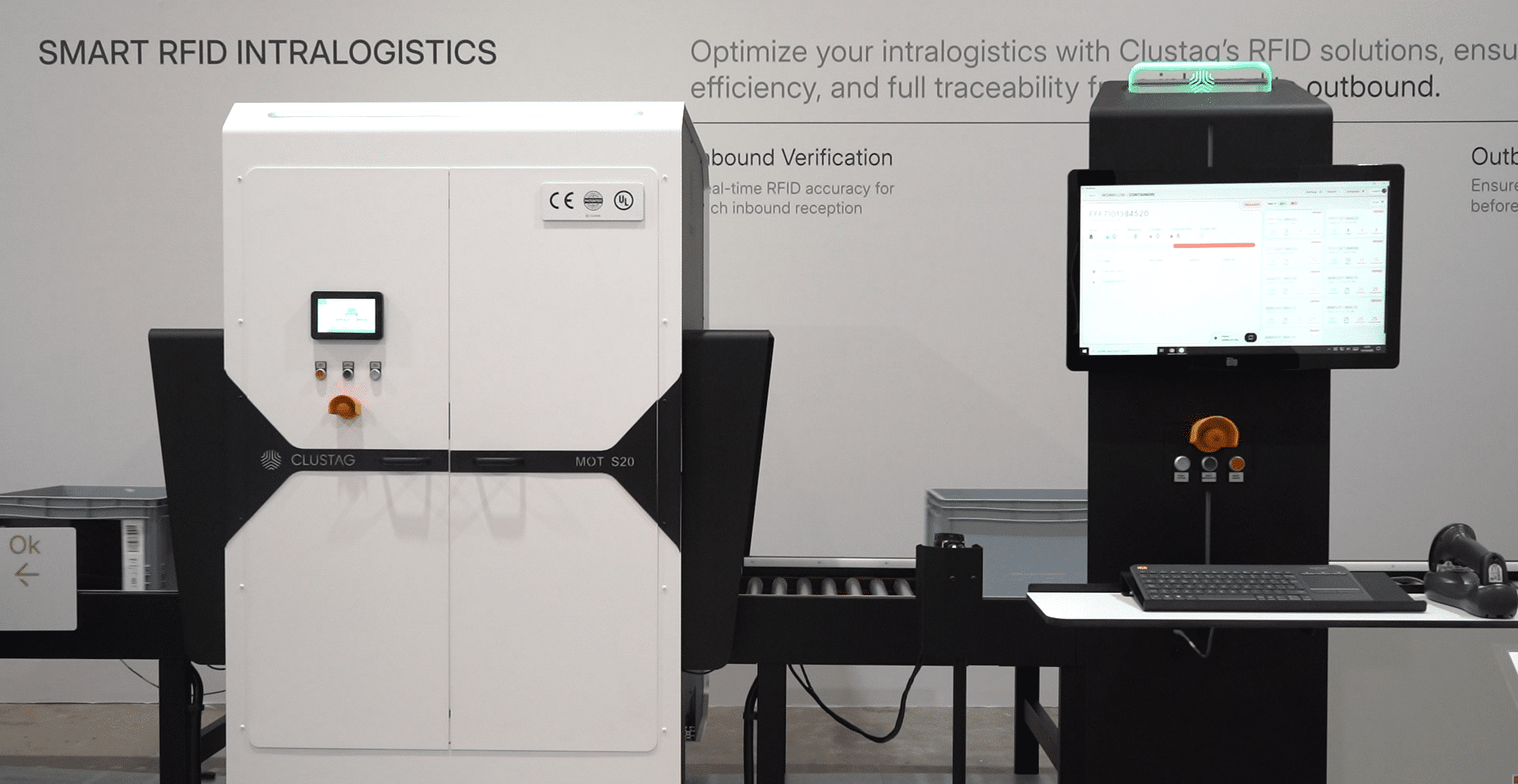
    Our flagship device, the Clustag MOT S20 Station, guarantees item‑level accuracy at speed. For high‑volume environments, Bulk Stations and Audit Plus Stations provide flexible options for outbound workflows.

    “Our MOT Station proves that precision matters. When the gates close, the system reads only what’s inside, without any stray readings, without errors. That’s how we guarantee item‑level accuracy with our RFID-Shield technology”, Manolo Reguart

    The solution: KPIs That Prove Outbound Verification Delivers Results

    Clustag solutions align with GS1 EPC standards and meet retail mandates, reducing the risk of non‑compliance and penalties. This ensures shipment conformity and builds trust with strategic retail partners.

    Implementing RFID solutions for outbound verification delivers measurable benefits:

    • >99.8% Accuracy in shipment validation
    • Zero chargebacks related to outbound errors
    • Reduced labor costs through automation
    • Enhanced retailer confidence, strengthening long-term partnerships

    For wholesale operations with Nordstrom, Macy’s, Walmart, and similar retailers, Clustag ensures:

    • Chargeback prevention by guaranteeing shipment conformity
    • Operational efficiency during peak seasons (e.g., Black Friday, holiday sales)
    • Global scalability, supporting omnichannel strategies across multiple regions

    Experience RFID verification live at the Clustag Experience Center

    Outbound verification isn’t optional, it’s a strategic necessity. By adopting Clustag RFID solutions, brands protect margins, maintain compliance, and build stronger relationships with wholesale partners.

    Ready to see it in action? Visit the Clustag Experience Center and discover how we manage outbound verification with real‑time RFID systems.

  • How to reduce shipping errors with Clustag RFID solutions

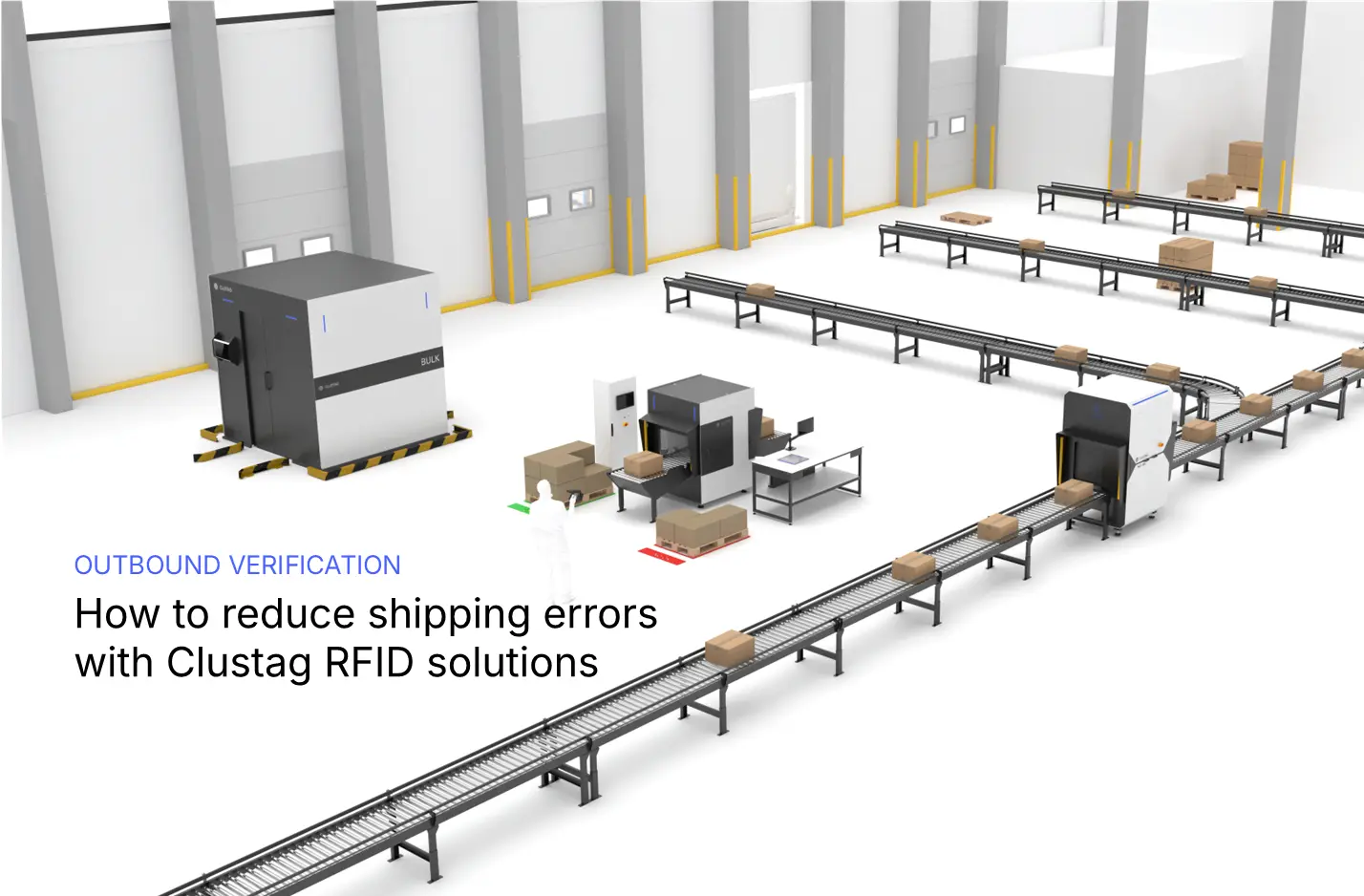
    How to reduce shipping errors with Clustag RFID solutions

    In logistical and industrial environments, even a minor discrepance can trigger a chain of inefficiencies: delayed shipping, reprocessing costs and loss of client confidence. At Clustag, we know that accuracy and visibility form the foundation of operational excellence. Our RFID solutions help companies reduce shipping errors and optimize outbound verification in real time, ensuring a complete traceability without slowing operations

    By integrating smart audit processes and guided workflows, organization not only reduce shipping errors, but also strengthen their quality control systems, boost profitability and enhance their sustainability performance. This approach transforms the way teams manage outbound verification and quality assurance.

    Why shipping errors happen and how address them

    Order preparation and shipping errors create one of the main challenges in complex logistics. Multiples sources often generate discrepancies including human herrors in picking and packing or system mistmatches between digital records and the physical reality of pallets and boxes.

    Common causes include:

    These issues create bottlenecks, that slow operations and affect customer satisfaction, leading to returns or complaints. Companies need reliable process to detect and correct errors before orders leave the warehouse.

    Clustag’s consultive approach

    At Clustag, we take a consultative and personalized approach that goes beyond implementing technology. Each detected discrepancy goes directly to a specific verification area, where operators validate the content manually or semi-automatically. This method ensures that staff corrects mistakes immediately, without disrupting operational flow.

    Our experience in sectors such as retail, pharma, grocery allows us to adapt reconciliation processes for each type of operation, ensuring that each shipment meets required standards without compromising speed or efficiency.

    How content reconciliation works

    Content reconciliation enables companies to compare the actual content of each unit with expected data, guarantying total accuracy and complete traceability. Before reviewing individual units, operators conduct a pre-check of documentation and labeling to identify possible discrepances. This initial step ensures that operators work over with reliable information, avoiding additional mistakes and unnecessaries delays.

    Step-by-step process

    1. Order reception: This system identifies units that need review, highlighting those with higher risk based on history or order complexity.
    2.  Data comparison: Operators use stations such as: AUDIT, AUDIT PLUS o MASSIVE PLUS to compare actual RFID data with expected information. This check can be manual or semi-automated, adapting to operation and shipment volume.
    3. Errors detection: If s discrepancy is found, the system flags the unit and guides to the operator step by step for correction.
    4. Immediate correction: Depending on complexity, mistakes are resolved manually or semi-automatically. Every action is registered to guarantee traceability and quality control.
    5. Tracking and traceability: Zentup Workflow, logs all data, providing full visibility and real-time tracking, for internal and external audits.

    This flow guarantee that no unit with errors leaves the warehouse, maintaining strict control without affecting operational speed, or staff efficiency.

    Operational benefits of Clustag solutions

    Implementing Content reconciliation brings direct and measurable advantages for logistic operations:

    These benefits enable companies to reduce shipping errors, increase supply chain resilience and improve operations predictability, which is critical in high-volume and complex environments.

    Best practices to reduce shipping errors

    Before implementing a technology, it is essential to stablish solid and consistent processes that guide the operations reliably.

    Standardized procedures

    Clear audit and verification steps ensure consistency in every outbound operation. This includes checklists, document review and physical content checks, and validation of information through RFID.

    Staff training

    Well-trained operators can identify common picking and packing errors, act quickly, and prevent discrepancies from escalating. Continuous training tis key to maintaining high standards of accuracy and speed in operations.

    Continuous monitoring and improvement

    Data analysis through our middleware Zentup enables companies to identify recurring error pattern, assess processes effectiveness, and adjust operations to minimize future mistakes. This creates a cycle of continuous improvement that enhances efficiency and reduce risk.

    Automation with human oversight

    Combining RFID technology with human oversight provides flexibility, adaptability and accuracy. Staff can be focus on complex cases, while technology manages routine verifications, guarantying agile and reliable operations.

    Results and KPIs Clustag helps improve

    Adopting Content reconciliation directly impacts key operational indicators:

    Our experts provide consultative guidance, process refinement and deliver strategic recommendations with each implementation.

    Strategic and consultive benefits per sector

    Different sectors have unique logistics and operational requirements, so the benefits of content reconciliation, vary according to process complexity and product criticality. At Clustag, our consultative approach allows us to tailor solutions for every industry, guaranteeing each operation achieves the highest standards of accuracy, traceability and efficiency. Strategic implementation not only reduces shipping errors but also optimize productivity and strengthen supply chain confidence.

    Retail and fashion

    Ensures accuracy in orders, colors, sizes and SKUs, avoiding costly returns and increasing client loyalty. Content reconciliation allows keeps inventory synchronized and minimize errors in high-volume operations. Moreover, by combining human oversight with RFID technology, errors are detected and corrected immediately, protecting customer experience and brand reputation.

    Pharma and healthcare

    Ensures serialized products and critical supplies comply with regulations and reach their destination accurately. Reduces risks of errors that could impact patient safety and regulatory compliance.

    Grocery

    Confirms shipment integrity and control products expiration date and regulatory compliance Allow more efficient planning of deliveries, reducing waste and losses.

    Nordic retailer optimizes shipping accuracy

    A recent project with a leading Nordic retailer ilustrates this impact of Clustag. During the last quarter, their MOT system processed 17.281 boxes, of which 1.824 were identified as KO boxes. Thanks to the integration with Clustag’s Zentup Workflow interface, it could audit each box in real time and identify the origin of the discrepancies:

    Once the boxes were audited, they were updated, so they could be shipped correctly. This process not only reduced high reworks costs, but also strengthened brand reputation and customer trust, showing how accuracy and visibility create measurable business value

    Excellence in every shipment

    With Clustag, each shipment is become an opportunity to demonstrate, reliability, accuracy and commitment with the client. Our solution ensures that shipping issues go unperceived, protecting operational efficiency and customer confidence.

    For more information, contact our experts to design the most efficient and tailored solution for your warehouse operations.

  • Benefits of outbound verification in warehouse operations

    Benefits of outbound verification in warehouse operations

    At Clustag, we work to ensure that every warehouse outbound operation is accurate, efficient and fully traceable. Implementing outbound verification in shipping processes guarantee that each order leaves the warehouse correctly and is recorded with complete real time visibility. The benefits of outbound verification not only improve shipment accuracy but also optimize inventory management and reduce errors that can affect supply chain.

    With our RFID solutions and seamless integration with ERP and WMS systems, our Clustag’s team of experts provides full control over the outbound flow, from picking to final delivery, enhancing operational efficiency while minimizing costs associated with errors and returns.

    Improved shipment accuracy

    Ensuring every order is dispatched accurately is critical to maintaining customer satisfaction and operational efficiency. Outbound verification plays a vital role in minimizing errors before items leave the warehouse

    Enhace shipment accuracy

    At Clustag, we work to make outbound verification a reliable and automate process. Each pallet, box or item is validated through RFID before leaving the warehouse, ensuring that the shipment exactly matches the customer order

    Reducing errors with RFID

    Our RFID solutions automatically identify and cross-check each unit against ERP/WMS records, eliminating manual checks and significantly reducing human error.

    In a retail logistical center, our team implemented RFID technology to verify thousands of daily shipments. Shipment accuracy increased to 99,8%, while inventory control was updated in real time without disruption operations.

    Enhanced visibility and traceability

    Real-time visibility of every in the outbound process is essential for effective warehouse management. Complete traceability enables, logistic teams to monitor operations and respond to issues immediately.

    Real time tracking

    At Clustag, we work to offer complete visibility over the outbound process. By automatically reading RFID tags at strategic points, logistics managers can track pallets, cartons and individual items in real time through the ERP o WMS.

    Item-level records

    Our RFID middleware generates detailed item-level records, offering complete traceability throughout the outbound process. This facilitates audits, achievement analysis and immediate identification of operational issues.

    Our team supported an international logistics operator in monitoring of 100.000 daily items, achieving complete item-level traceability and reducing inventory discrepancies by 95%

    Time and efficiency optimization

    Optimizing outbound operations saves time, reduces bottlenecks and allows warehouse staff to focus on higher-value tasks. Implementing technology-based verification is key to speeding up processes.

    Speeding up the outbound process

    With our solutions, Clustag works to speed up the outbound process through mass RFID readings, eliminating manual steps and enabling operators to handle larger order volumes in less time.

    Reducing downtime and bottlenecks

    Automating outbound verification with RFID prevents interruptions caused by human errors, reducing bottleneck in critical areas such as consolidation a shipping.

    Integration with ERP and WMS systems

    Seamless integration between outbound verification and ERP/WMS platforms ensures that data flows with not interruptions, improving inventory accuracy and operational decision-making.

    Verification automation and inventory update

    At Clustag, we work to integrate outbound verification with existing ERP/WMS systems, so that each RFID read automatically updates inventory and confirms dispatched orders.

    Real time data synchronization

    This ensures a single, accurate view of stock, facilitates planning of routes, replenishments and deliveries. Reduce discrepances between systems, optimizing the entire supply chain.

    Our experts team ensures seamless and scalable integration, maintaining operational efficiency without interrupting daily warehouse activities.

    Scalability and adaptability

    Warehouse operations must adapt to growing volumes and changing business requirements. RFID solutions provide the flexibility to scale efficiently while maintaining control.

    Adapting to growing volumes

    At Clustag, we work to make our RFID solutions scalable, capable of handling hundreds to thousands of units per minute, adapting to increasing demand or network expansion.

    Suitable for manual and automated environments

    Our solutions are flexible: they can be deployed in manual processes with RFID portals or handheld readers, as well as in fully automate systems with conveyors and fixed readers. This enables warehouses to gradually increase automation while always maintaining traceability and control.

    RFID specific benefits

    Leveraging RFID technology in outbound logistics provides measurable advantages in accuracy, efficiency and traceability:

    These improvements help maintain high OTIF compliance rates and optimize overall warehouse efficiency.

    The Benefits of outbound verification are clear: higher accuracy, complete traceability, and optimized time in outbound operations. At Clustag, we work to ensure every outbound process is managed efficiently, reducing errors and enhancing visibility throughout the supply chain.

    Would you like to explore how to enhace outbound verification and traceability in your warehouse?

    Contact our team of experts and discover how Clustag can help you optimize your operations with a fully customized approach to your processes.