Author: Marketing Clustag

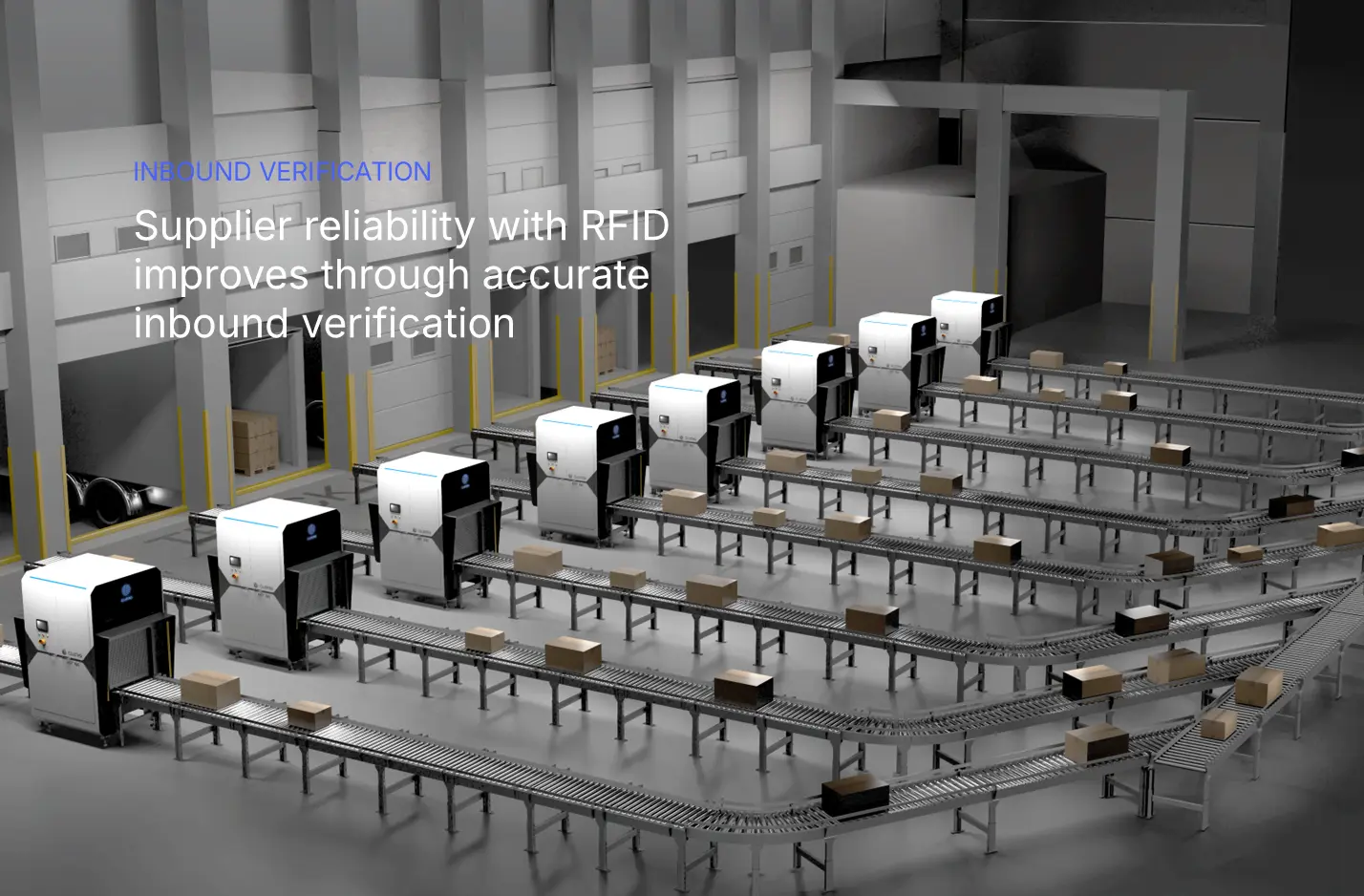
  • Supplier reliability with RFID improves through accurate inbound verification

    Supplier reliability with RFID improves through accurate inbound verification

    In today’s competitive logistics landscape, supplier reliability with RFID drives smooth and error-free inbound operations. As companies strive to optimize their supply chains, the need to verify shipments accurately and hold suppliers accountable. Clustag, a leader in RFID and automation solutions, helps businesses strengthen supplier reliability through RFID inbound verification powered by its propietary software, Zentup.

    Supply reliability with RFID: a strategic imperative

    Supplier reliability goes beyond on-time deliveries, it means delivering the correct items, in the right quantities, with full traceability. Traditional barcode systems often miss hidden shortages, mislabeling or unscanned items.

    When companies integrate RFID technology into their receiving workflows, they gain real-time, item-level visibility that turns inbound verification into a proactive quality control mechanism.  

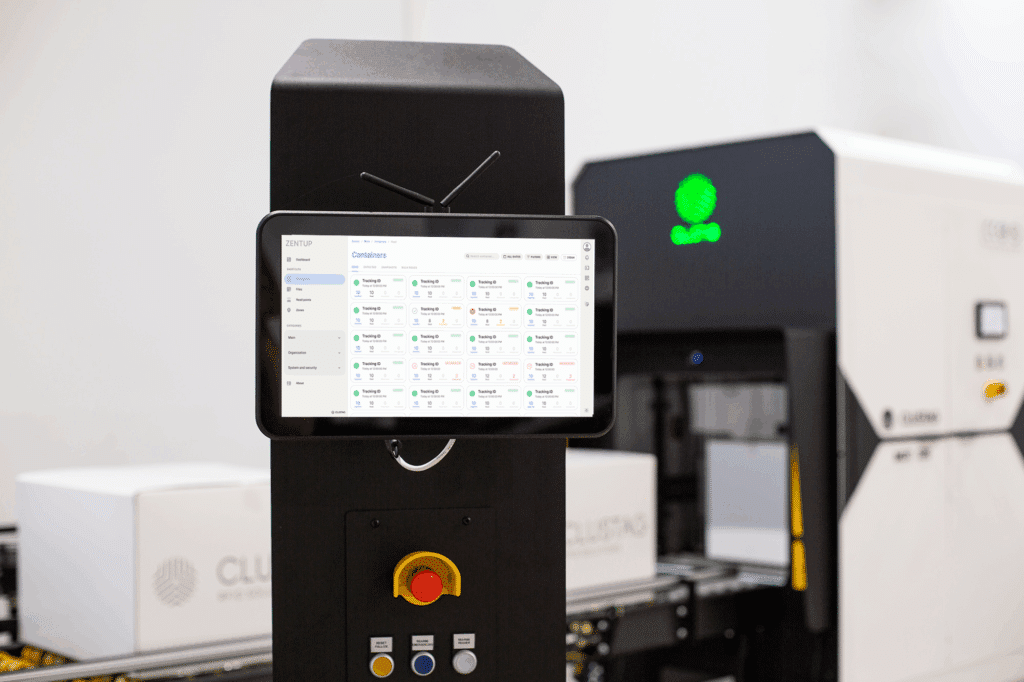
    Clustag’s middleware, Zentup, compares expected shipments with actual deliveries automatically. As goods arrive, Zentup reads each RFID tag and matches it directly to the Advance Shipping Notice (ASN). The system identifies and classifies any discrepancy instantly, documenting it for supplier feedback and ensuring complete traceability from the start.

    The role of RFID inbound verification in supplier reliability

    RFID inbound verification confirms that received goods match purchase orders and shipping notices, improving inventory accuracy, productions schedules and customer experience.

    With RFID enabled inbound verification, companies:

    Zentup streamlines every stage, reduces manual work, and minimizes human error, helping teams build stronger and more reliable supply chains.

    Measuring supplier reliability with RFID

    To quantify the RFID impact in supplier reliability, companies can track key performance indicators such as:

    Zentup provides dashboards and analytics that help to the companies monitor these KPIs and make informed decisions regarding supplier relationship and operational improvements.

    Scaling RFID across multiples warehouses

    For organisation with various distribution centers, maintaining consistent inbound verification is essential. Clustag’s solution supports centralized configuration and remote monitorization, allowing businesses to:

    This scalability ensures that supplier reliability with RFID becomes a company-wide standard, not just a localized idea.

    Common challenges solved by RFID receiving accuracy

    Receiving accuracy with RFID addresses several problems in inbound logistics:

    With Zentup, these challenges are resolved through automated detection and documentation, making RFID inbound verification more reliable and efficient.

    Strategic benefits of supplier reliability with RFID

    Beyond operational improvements, supplier reliability with RFID offers strategic advantages:

    Clustag’s RFID solutions are designed to growth with your business, adapting to new suppliers, product lines and logistic models.

    How Clustag measures the supplier reliability with RFID

    Clustag’s middleware Zentup not only automates inbound verification, but it also provides a robust framework to measure supplier reliability with RFID over time. Through its analytics dashboard, companies can track supplier performance using real-time RFID data and historical trends.

    Key metric includes:

    These insights allow procurement and logistics teams to build scorecards based on objective data, not just anecdotal feedback. Over time, this leads to more strategic sourcing, better collaborations and fewer disruptions in the supply chain.

    Zentup also enables exporting reports for audits, internal reviews, or supplier negotiations, making supplier reliability with RFID not only a technical metric, but a strategic asset.

    Managing exceptions and errors with Zentup

    Even in highly automated environments, exceptions can occur, whether due unreadable tags, unexpected items or discrepancies between shipment data and actual goods. Clustag’s Zentup middleware is designed to detect and manage these exceptions in real time, ensuring that supplier reliability with RFID is not compromised:

    When a discrepance is detected, Zentup:

    These exceptions are not just logged: they are actionable. Zentup enables users to categorize errors (e.g., missing item, incorrect SKU, duplicate tag), assign resolution status and track how quickly each issue is addressed. This process helps teams close the feedback loop with supplier and continuously improve inbound accuracy.

    By managing exceptions proactively, Clustag ensures that RFID inbound verification remains robust, even when shipments deviate from expectations.

    Supplier reliability with RFID as a competitive advantage

    In a supply chain where every error can lead to delays and lost revenue, supplier reliability with RFID is a powerfull tool for ensuring operational excellence. Clustag’s Zentup middleware enables companies to automate inbound verification with RFID, reduce errors and build stronger relationships with suppliers.

    By transforming receiving from a manual bottleneck into a strategic advantage, RFID technology helps companies to achieve more accuracy, accountability and efficiency. Whether you are scaling across warehouses or optimizing a single site, Clustag provides the tools to make supplier reliability with RFID a cornerstone of your logistics strategy.

  • RFID receiving accuracy prevents tech errors in warehouse inbound operations

    RFID receiving accuracy prevents tech errors in warehouse inbound operations

    RFID receiving accuracy is becoming a strategic advantage for retailer seeking to improve supply chain efficiency. From ensuring shelves are stocked to enabling seamless omnichannel fulfilment, business must optimize every step of the logistics process. One of the most critical areas in the inbound flow of goods into warehouses. Errors at this stage can ripple through the entire supply chain, causing delays, stockouts, and unnecessary costs.

    To address these challenges, retailers increasingly rely on RFID receiving accuracy. By using item-level RFID technology during the inbound verification process, businesses can detect technological errors early, validate shipments with precision, and gain real-time visibility into inventory from the moment it enters the warehouse. Consequently, they minimize operational disruptions and reduce costs.

    The importance of accurate inbound verification

    Inbound verification confirms that received goods match the expected shipment in terms of quantity, type, and condition. Traditionally, staff perform this manually, which makes into prone to human error, time-consuming, and lacking real-time data. Inaccuracies at this stage can result in:

    In a high-volume warehouse environment, where thousands of items arrive daily, even small errors can have significant operational and financial consequences.

    The impact of RFID technology on receiving operations

    RFID technology enables automatic identification and tracking items using radio waves. When applied to inbound verification, RFID transforms the receiving process by:

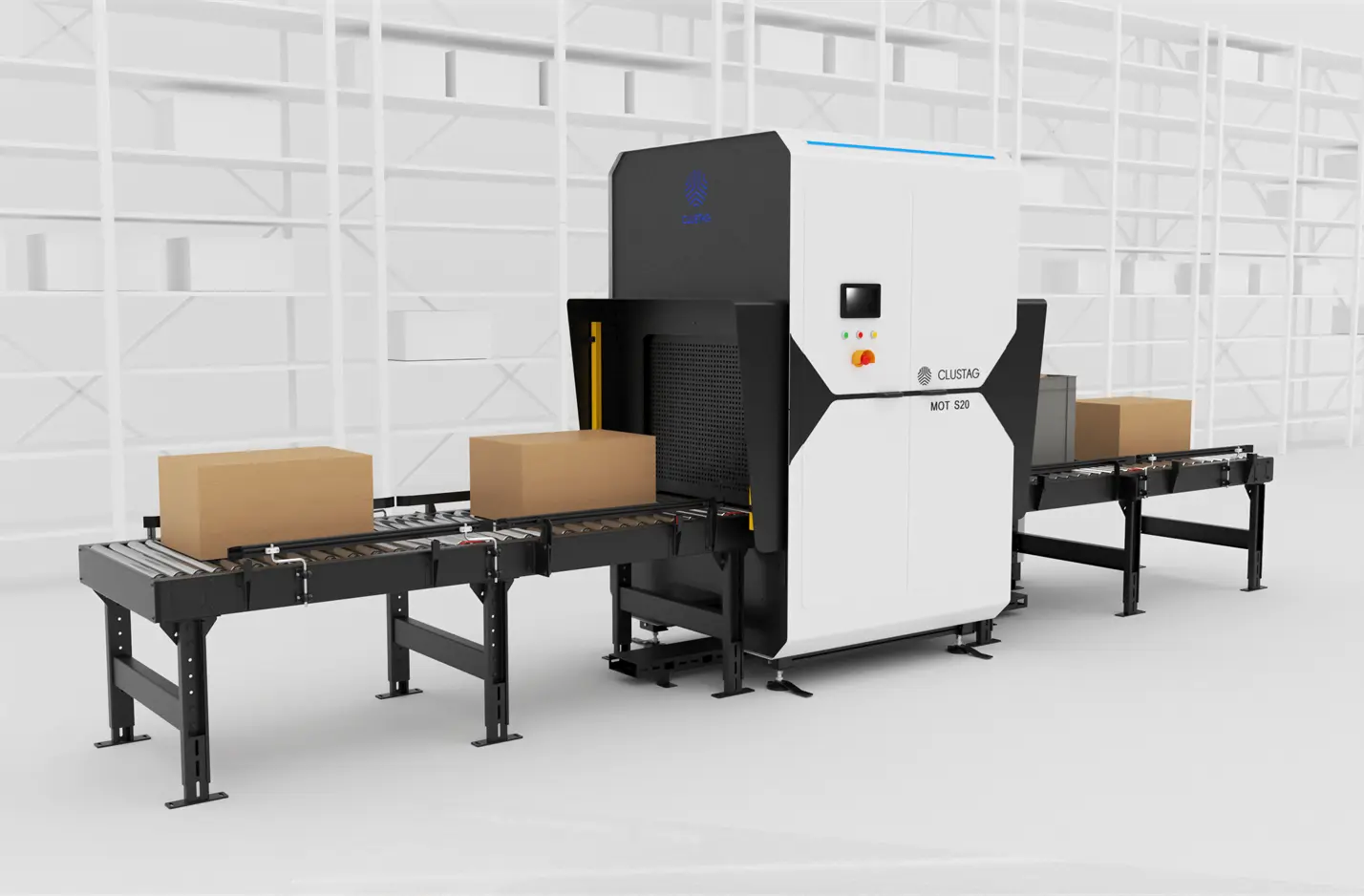
    Clustag’s RFID Solutions, such as the MOT Station, are designed to handle high-throughput environments efficiently. They scan over 1200 boxes per hour and achieve inventory accuracy rates of up to 99,92%, eliminating manual bottlenecks and reducing technological errors during receiving.

    RAIN RFID technology errors before they escalate

    One major benefit of RFID receiving accuracy is detecting errors at the point of entry. These include:

    Container-type scanning: boxes, pallets, and GOH

    Inbound shipments often arrive in different formats, each presents unique verification challenges. Clustag’s RFID solutions adapt to all container types:

    This flexibility ensures that goods are verified accurately and efficiently, supporting RFID shipments verification across all formats.

    Enhancing supplier reliability

    RFID receiving accuracy also improves supplier accountability. Automation allows retailers to:

    As a result, suppliers consistently meet quality and accuracy standards, creating a more transparent and reliable supply chain.

    Real-time inventory visibility from day one

    Once items are verified, RFID provides real-time inventory visibility. Each scanned item logs instantly into the warehouse management system (WMS), providing:

    This visibility enables retailers to make informed decisions about stock allocation, replenishment, and logistics planning. It also supports real-time inbound logistics, keeping inventory aligned with demand.

    How Clustag enhances inbound verification with RFID

    At Clustag, we understand that inbound verification is more than a technical process; it is a strategic opportunity to gain control, reduce errors, and improve supplier accountability from the very first scan. Our RFID ecosystem delivers receiving accuracy at scale, tailored to the real-world needs of retail warehouses.

    The MOT Station, equipped with high-performance RFID tunnel technology, scans over 1200 boxes per hour with up to 99.92% accuracy. This ensures faster receiving, fewer manual interventions, and immediate detection of errors such as mislabeling, unreadable tags, or incorrect shipments.

    Zentup and container-type flexibility

    Beyond speed and precision, Clustag’s solutions support container-type flexibility. Whether goods arrive in boxes, pallets or GOH formats, our RFID infrastructure ensures seamless verification. Integrated with Zentup, our middleware platform, all captured data is instantly synchronized with ERP or WMS systems.

    This enables real-time inventory visibility, automated inbound reconciliations, and actionable insights for logistics teams.

    By choosing Clustag, retailers gain a partner committed to operational excellence. Our RFID solutions automate inbound verification and elevate the reliability of the entire supply chain.

    To find out more about how RFID can transform your intralogistics operations, contact us here. Our team will be gratified to guide you through the possibilities of receiving accuracy and help you explore the best solution for your warehouse.

  • 4 Strengths warehouse integration specialists need from providers

    4 Strengths warehouse integration specialists need from providers

    Choosing the right partner with 4 steps

    In an ever-evolving material-handling market, warehouse integration specialists are tasked with keeping on top of the latest innovations. They must implement solutions quickly. These solutions must provide reliability, accuracy, and cost efficiency, no matter the industry.

    Integrators play a crucial role in helping their clients to harness technology’s full potential. Moreover, they must partner with the correct technology provider to ensure solutions remain up-to-date and deliver maximum value.

    1. Focus and expertise in warehouse integration

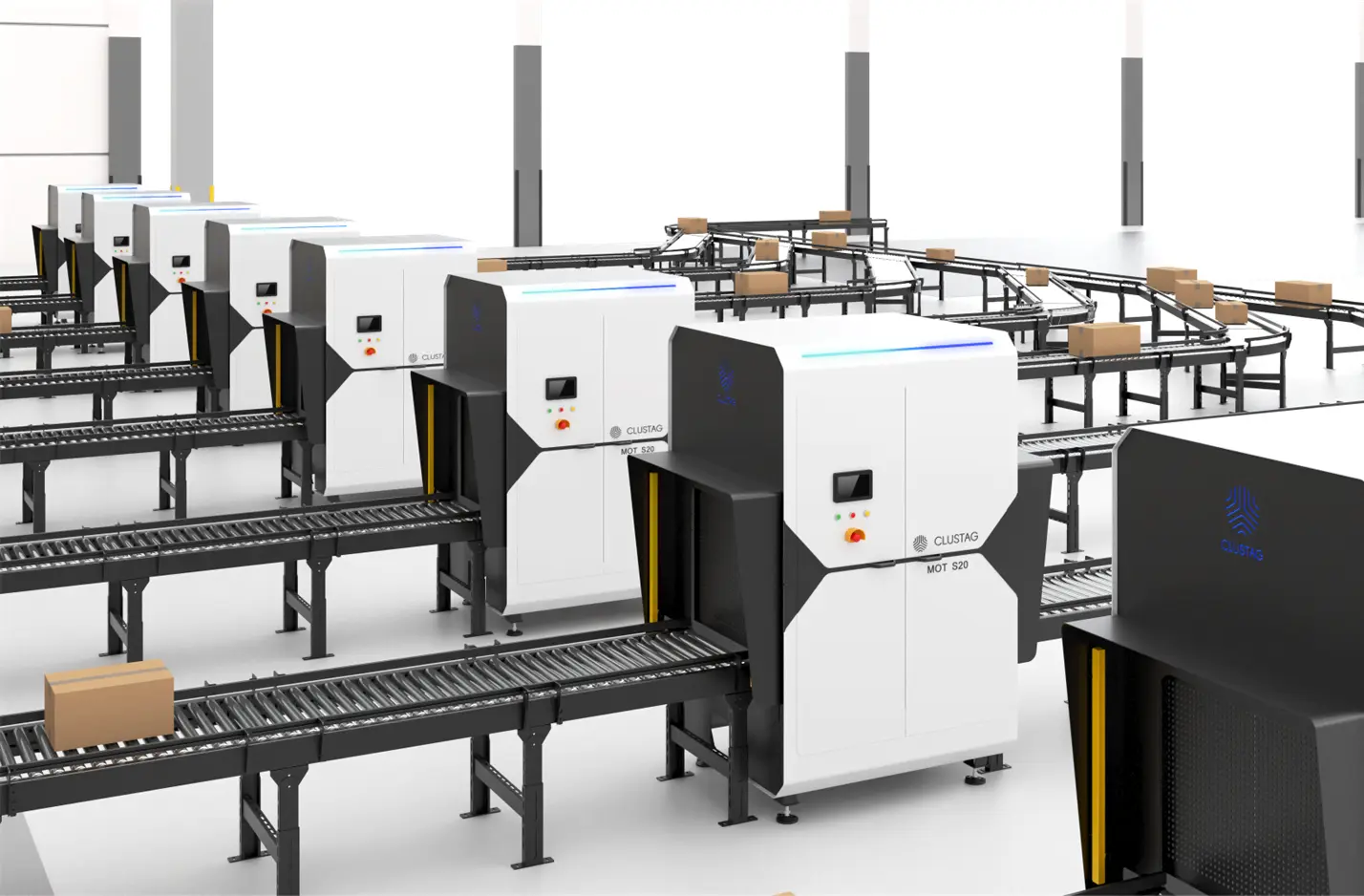
    When choosing a partner, working with a technology supplier that specializes in one focused area can deliver a range of benefits. At Clustag, we focus solely on warehouse logistics automation, and with our flagship RFID tunnel called the MOT S20 Station, we have gained a deep knowledge of RFID intralogistics technology that is matched by few others.

    This enables us to remain consistently informed on the latest developments, updates and challenges within this field, allowing our solution to be implemented as effectively as possible.

    This expertise allows us to assist integrators from the MOT S20 Station’s pilot stage through full rollout. We quickly address issues and offer expert guidance throughout the process. This ensures that we can continually provide the best possible service to integrators.

    2. An all-in-one gobal warehouse integration solution

    Warehouse integration specialists need to be able to deploy technology quickly and effectively. An all-in-one solution allows end customers to benefit from their new technology immediately, minimizing downtime and its associated costs.

    With our MOT Station, integrators globally can install a solution that is robust, safe and requires only a specialized installer to deploy. With minimal support and assistance, integrators can deploy the technology quickly and without complication, regardless of location, allowing them to provide a better service to their clients around the world.

    3. Accuracy and reliability in warehouse integration

    Integrators must provide a reliable service and the key to achieving this lies within accurate solutions. Adopting these types of technologies increases the credibility of warehouse integration specialists, with end users experiencing minimal issues with their solutions. However, a robust and reliable solution also reduces the risk of complications once it is fully deployed.

    The MOT Station scans over 1,200 boxes per hour with 99.92%* accuracy. Its RFID tunnel scans tags in an enclosed space at full power. This setup provides accurate and reliable inventory readings.

    4. Maintaining quality through warehouse integration support

    RFID technology is constantly advancing, with new solutions being introduced on a regular basis. As a result, integrators must partner with technology providers who can provide regular maintenance and upgrades on these deployments directly.

    At Clustag, we provide high-quality after-sales support that ensures our deployments operate effectively and provide optimal value to our customers. By providing regular maintenance on our integrations, we deliver high-quality service throughout the product lifecycle on behalf of our partners. This allows integrators to consistently deliver value to their clients, who receive regular support from us on behalf of the integrator.

    Integrated success in warehouse integration

    With an abundance of new technologies to choose from, warehouse integration specialists must partner with technology providers who are able to provide maximum value from their solutions and receive additional support.

    When it comes to RFID implementation, wrong deployment can be costly. Without a reliable and accurate RFID solution in place, users compromise their inventory accuracy. The knock-on effect of this disrupts the entire ecosystem. Without visibility of stock, users are prone to increased costs through waste, transport and storage.

    Their replenishment practices remain inefficient, and they will struggle to fulfill orders, ultimately delivering a poor customer experience. If integrators partner with the wrong technology provider, they will not be able to deliver value to their customers and develop long-term relationships that drive business success.

    At Clustag, we work closely with integrators to ensure that they can meet the needs of their customers. Our MOT Station is easy to deploy, higly accurate and reliable. It creates operational efficiency throughout the supply chain, and with real-time visibility of stock, it enables users to deploy omnichannel fulfillment solutions that create convenient, streamlined experiences on the shop floor. This leads to improved customer experiences that drive loyalty.

    As part of our service, we regularly maintain and provide upgrades to our deployments to ensure that they continue to operate effectively and help integrators provide the best possible value to end users.

    To find out more about how Clustag can help warehouse integration specialists deliver supply chain automation to their clients, contact us today.

    *Mass tending conducted by Auburn University confirms results for products labelled according to international standards, and for items compesed on non-conflicting materials for RFID environments.

  • The consequences of not implementing the right RFID tunnel

    The consequences of not implementing the right RFID tunnel

    The implementation of the right RFID tunnel is particularly crucial for business that rely on accurate inventory management to run their operations smoothly. RFID technology has become an essential tool for businesses that want to streamline their operations and stay competitive in today’s fast-paced marketplace.

    In this post, we’ll explore the effects of not using the correct RFID tunnel and the benefits of implementing the right one for your business.

    Increased costs and loss of revenue

    By not having an accurate inventory management system in place, you risk overspending on inventory and missing out on opportunities to increase revenue. This can result in lower profit margins, decreased cash flow, and reduced business growth.

    Therefore, one of the most significant consequences of not using the right RFID tunnel is an increase in costs and loss of revenue throughout time, in comparison to other competitors that have improved their inventory management system.

    Reduced efficiency and increased labor costs

    When implementing a RFID tunnel, there are several factors to take into account in order to maximize the efficiency.

    Not having the right sized tunnel can lead to reduced efficiency and increased labor costs as companies try to rearrange the limited work space available. Generally, smaller sized and quick set-up RFID tunnels such as the ones available with Clustag allow quick and smooth installation, with a minimal.

    Inaccurate inventory management can result in lost or misplaced items, which can scale into delayed shipments and eventually dissatisfied customers. Therefore, it can lead to increased labor costs, as employees spend more time searching for missing items or processing returns.

    The warehouse processes merchandise packages with courier stamps and receipts for efficient delivery

    Missed opportunities for growth

    When you’re not using the correct RFID tunnel, you risk missing out on opportunities for growth. With the right RFID technology in place, you can streamline your operations, reduce costs, and improve customer satisfaction.

    This can lead to increased revenue, higher profit margins, and greater business growth. Without it, you risk falling behind your competitors and missing out on opportunities for expansion.

    The benefits of implementing the right RFID tunnel

    To avoid the consequences of not implementing the right RFID tunnel, it’s essential to choose the right one for your business. Consider factors such as the size of your business, the speed of procesing you need, the type of products you sell, and your budget when selecting an RFID tunnel.

    By working with an RFID solutions provider such as Clustag, you can find the right tunnel to meet your unique business needs.

    Working with an RFID solutions provider

    Partnering with an RFID solutions provider can help you maximize the benefits of implementing the right RFID tunnel. A provider can help you choose the right technology, install it properly, and provide ongoing support to ensure it continues to meet your business needs. This can help you improve your operational efficiency, reduce costs, and drive business growth.

    In conclusion, not implementing the right RFID tunnel can negatively impact your business, including increased costs, reduced efficiency, and missed opportunities for growth.

    By choosing the right tunnel and working with an RFID solutions provider, you can streamline your operations, reduce costs, and drive business growth.

    Contact us to learn more about our cutting-edge RFID solutions and how they can benefit your business.

  • Why algorithms will never replace shielded RFID tunnels

    Why algorithms will never replace shielded RFID tunnels

    The importance of accuracy in RFID tunnels

    Shielded RFID tunnels have revolutionized the retail inventory management. They offer real-time stock visibility, automate management, and boost operational efficiency. Retailers can implement RFID technology in various ways. However, accuracy varies greatly depending on the chosen solution.

    Certain RFID tunnels providers which cannot guarantee a 100% reading precision have resorted to the use of machine learning to seek a higher accuracy. Although this solution might seem appealing in the short term due to its lower investment, it does not achieve 100% reliability.

    When it comes to inventory management in the retail industry, accurate readings are crucial. Having a deviation of just 1% could result in significant economic losses, making the initial investment much higher in the long term.

    A more precise approach is to use an RFID tunnel than can guarantee error-free readings even at high speed, such as Clustag’s shielded RFID tunnels.

    It is important to understand why machine learning can never fully replace accurate readings from the tunnel itself, and why accurate readings from the machine are crucial for effective RFID inventory management.

    Algorithms cannot contemplate all variables as RFID tunnels

    While it is true machine learning can improve certain aspects of inventory management, it can never fully compensate for an inaccurate tunnel. Algorithms may improve accuracy, but they cannot consider every variable. Thus, a margin of error always remains.

    Moreover, if the accuracy is seeked solely through an algorithm, one must always expect software updates and algorithm corrections, resulting in a never-ending commissioning process. On the other hand, an accurate tunnel will always provide error-free reliable readings with little maintenance, making it a more dependable solution.

    The speed of Clustag’s RFID Tunnels

    Many believe that by using machine learning the reading process can be sped up. However, at Clustag we are certain that using an algorithm is not only the slowest solution but also the least realiable.

    Our investment in designing a more compact and realiable RFID tunnel than those available in the market has allowed us to achieve significantly faster readings without the need for an algorithm. Our shielded RFID tunnels read 100% of the context in a box within seconds. They can scan up to 400.000 tags per hour.

    It’s important to note that relying solely on machine learning to compensate for an innacurate machine can never fully replace a highly accurate solution like Clustag’s RFID tunnels.

    Clustag shielded RFID tunnels scanning boxes on a conveyor belt for real-time, 100% accurate inventory tracking.

    Clustag RFID Tunnels can read all types of RFID tags

    Retailers who are already working with RFID technology know there is a wide range of RFID tags available on the market, each with varying technical requirements for a successful reading. This is a hurdle that many retailers struggle to overcome when selecting an RFID reading solution that will meet their needs.

    Clustag RFID tunnels read all tags generations. They scan different products without setup adjustments, ensuring 100% accuracy each time.

    On the other hand, it would be impossible for an algorithm to consider the different setups, tag sensitivities, and tag generations that a client may encounter throughout the year. However, an accurate shielded RFID tunnel will ensure that all tags are read correctly, regardless of the setup.

    False negatives and false positives can increase costs

    Using an algorithm may seem like a cost-effective solution for RFID inventory management, as it might be cheaper than investing in a high-quality RFID tunnel. However, the potential cost of inaccuracy casued by the algorithm can be much higher than the original investment.

    Algorithms are not error-free, which makes them prone to provide false rejections. As a consequence, costs increase due to the need to redo the entire process.

    Packages may be wrongly rejected or accepted. This causes inventory discrepancies and reduces operational efficiency.

    On the other hand, Clustag’s RFID tunnels provide accurate readings with no false rejections or false approvals, ensuring boxes will only go to an audit station when there is a true mistake. This makes Clustag’s shielded RFID tunnels a more reliable and cost-effective option in the long run.

    Banner reading "Maximize operational efficiency with Clustag's RFID tunnels" alongside a MOT-S10 tunnel station and "Contact us" button

    ¿Why choose Clustag as your RFID partner?

    At Clustag, we believe acuracy is essential for RFID readings. That is why we developed high-quality RFID tunnels with 100% reading precision. This makes them faster than other products on the market.

    With inaccuracies and false rejections eliminated, reprocessing costs are no longer something to be worried about, automatically increasing your inventory management efficiency and effectiveness.

    Choose Clustag to guarantee precise, reliable RFID readings every time.

    If you’re interesed in learning more about how Clustag’s RFID tunnels can benefit your business, contact us today. We offer a range of customizable solutions to fit your specific needs and help you streamline your inventory management processes.

  • Use of RFID in the grocery industry

    Use of RFID in the grocery industry

    RFID technology has developed rapidly in recent years. It is now gaining popularity in the grocery industry. Industries use RFID for product identification, tracking and traceability. This ensures food safety, improves quality, and reduces waste, and increases profitability and customer satisfaction.

    RFID systems in grocery industry

    Each food item is tagged with an RFID tag during the packaging process to uniquely identify it. After production, when the items have been stored in your warehouse, in transit or displayed in the retail store, you can automatically get a complete inventory of the grocery items in real-time.

    1. Improved inventory management

    The first major use case for RFID in the grocery industry is improved inventory management by replacing old stock-keeping methodologies. RFID technology gives retailers an option for an accurate and quick overview of their entire stock. Moreover, having a precise picture of the store inventory is indispensable for the grocery industry, where items need to be managed and monitored much more accurately as most food items are perishable, some with narrow expiry windows.

    2. Efficient supply chain management

    In supply chain management, RFID tags are quite useful to trace food products with great accuracy. RFID technology allows remote stock counts that are both highly accurate and very fast compared to other methods. This results in increased process efficiency, superior inventory management and waste reduction.

    3. Automatic control and counting

    The operators of grocery sectors have to guarantee efficient delivery to retail stores and manage the entire logistics network with speed. With RFID technology, it is easy to manage the complete logistics operations and detect issues that can be corrected quickly. With RFID devices available at each point of the supply chain, you can quickly and easily identify the location of any food product down to the pallet and package. This is sometimes necessary if you have to remove or replace a particular batch of a product.

    4. Reuse of packaging material

    In the grocery industry, after delivery of the product, the packing boxes and pallets are reused after a necessary cleaning process. RFID tags correctly identify boxes and pallets, verify them, and send them back for reuse. You can efficiently find any anomalies in the number of packages sent and returned, thereby reducing the number and location of lost boxes and pallets.

    5. Grocery safety

    Food companies use RFID systems in dairy, fruit, meat and bread to maintain safe environmental conditions. During transportation, storage and display. Ensuring grocery safety has a very high priority for food delivery companies as consumer health is paramount in ensuring purchasers’ trust and loyalty.

    6. Traceabilit

    In the grocery industry, the traceability of products is a major concern, for consumers as well as for retailers. Consumers demand high transparency regarding food sources and processes as they are now more health conscious.

    RFID carries type, quantity, and origin information, which the system collects throughtout a product’s life cycle, giving consumers 100% traceability and visibility of the entire chain of a product’s lifetime. Check Clustag RFID solutions for a better understanding.

    7. Grocery waste reduction

    The expiry of unsold food products results in a large amount of grocery wastage. It is also quite time-consuming and expensive to manage expired products on the reail shop floor. RFID systems can not only monitor and maintain stock levels on shelves but also monitor the expiry date of individual products, and can immediately signal to the floor staff about items nearing expiry that need to be moved forward or priced down for quick sale.

    8. Personalized nutrition

    In today’s health-conscious society, consumers demand specific products that they want to buy and consume. Business owners have to strive hard to keep up with this demand for specialized food products. RFID tags are being used to track consumer interest to create personalized nutritional products for customers. For health-savvy consumers, RFID tags are very useful as they want to know more about the health benefits of each product they want to consume.

    9. Overall customer satisfaction

    Introducing RFID tag into the retail system gives end users a broader picture. Customers can find a product’s history even after purchase. By entering a code on the store website, they gain confidence and assurance. It helps to create a more positive customer experience. If food product history can be obtained by the customer, they will show more trust towards the product, and they will re-purchase them with confidence.

    10. Cost

    Cost is major challenge in the widespread use of RFID technology. RFIDs are still expensive compared to barcode labels. The higher cost of RFID tags makes it a challenge to use them economically to mount them onto each retail item. However, as the high volume RFID manufacturing processes are improving, it is lowering their cost, resulting in their wider adoption in the grocery sector.

    Wrapping up

    RFID technology has been able to solve many challenges faced by the grocery industry. The technology has matured to a point where it is viable for a more diverse range of products. The only thing that may hold it back is its cost. Although the cost of RFID tags has dropped considerably, the price of food products is much lower than other retail products.

    But some fresh products like meat and fish and some fruits and vegetables have both a high enough price range and limited shelf life which makes economic sense to tag them with RFID.

    The grocery industry is the new frontier for RFID, and it will gain popularity exponentially since it benefits everyone involved in the grocery industry; from suppliers, stockists, retailers, consumers and even to the world at large.

    Contact us to learn how our RFID business intelligence solutions can improve efficiency in your operations!

  • MQTT protocol: exchange data fast and efficiently with ZENTUP

    MQTT protocol: exchange data fast and efficiently with ZENTUP

    In today’s data-driven world, efficient and fast data exchange between systems is essential for businesses to stay competitive. Business often combine MQTT with middleware solutions such as ZENTUP to achieve fast and efficient data exchange.RFID Data and Device Platform from Clustag. In this blog post, we will explore how these technologies work together to enable an efficient and fast data exchange with customer systems.

    Hands holding a tablet with overlaid digital charts and graphs rpresenting real-time data analytics via the MQTT protocol and ZENTUP.

    What is the MQTT protocol?

    MQTT works in situations with limited bandwidth and devices with low power or intermittent connectivity. It uses a publish-subscribe model, where publishers send messages to a broker, and subscribers receive messages from the broker. MQTT is lightweight and efficient, making it ideal for use in industrial applications such as logistics and manufacturing.

    What is ZENTUP?

    ZENTUP is a middleware solution that enables efficient and secure data exchange between systems. It acts as a bridge between different applications and devices, allowing them to communicate with each other seamlessly. ZENTUP is designed to be fast and efficient, enabling real-time data exchange between systems.

    How do MQTT and ZENTUP work together for efficient data exchange?

    MQTT and ZENTUP can work together in a variety of ways to enable efficient data exchange between systems. For example, MQTT can be used to send data from sensors or other devices to a ZENTUP server, which can them process the data and send it on to other systems or applications. Alternatively, MQTT can be used to send data directly to other systems or applications that are connected to the same ZENTUP server.

    Depending on your company, you will need a specific set-up in order to fulfill your specific needs. Want to know more? By clicking here and completing the form, you will receive a tailor made brochure that will answer all your questions.

    Clustag banner showing real time inventory visibility for better decision-making over a conveyor belt, with a stylized box icon and "Contact us" button.

    Benefits of using the MQTT protocol and ZENTUP for data exchange

    There are many benefits to using MQTT messaging protocol and ZENTUP middleware for data exchange. These include:

    Wrapping up

    In conclusion, the MQTT messaging protocol is an essential technology for enabling efficient and fast data exchange with IT systems. By using these technologies, businesses can improve their operations and provide better service to their customers.

    If you’re interested in learning more about how MQTT and ZENTUP can benefit your business, please contact us to schedule a free consultation.

  • RFID healthcare:boosting patient safety & operational efficiency

    RFID healthcare:boosting patient safety & operational efficiency

    As the healthcare industry continues to grow, the demand for efficient and accurate asset tracking has become increasingly important. Healthcare providers increasingly adopt RFID solutions as a powerful tool to meet this need, offering real-time visibility into asset locations, inventory management, and staff monitoring. RFID gives medical equipment suppliers a competitive advantage over rivals that do not use RFID technology.

    Improving inventory management with RFID solutions

    Inventory management is a critical aspect of healthcare operations, and the use of RFID technology can significantly improve the process.

    Suppliers can automate inventory tracking by using RFID tunnels and other readers. This prevents issues such as overstocking or stockouts. This leads to more accurate inventory counts, increased efficiency in restocking, and ultimately significant cost savings.

    Moreover, RFID solutions can provide valuable insights into inventory utilization with real-time tracking and monitoring capabilities. How can they do this? Basically by allowing suppliers to easily identify which equipment is frequently used and which items may need to be replaced. This enables suppliers to optimize their inventory management strategies and improve overall operational efficiency.

    Doctor interacting with virtual medical icons on a tablet, illustrating an RFID healthcare data-tracking interface.

    The role of RFID healthcare in inventory management

    Incorporating RFID healthcare solutions in healthcare settings can significantly improve inventory management. By implementing RFID tunnels and other reading solutions, medical equipment suppliers can efficiently track and locate equipment, supplies, and medication without the need for manually scanning individual tags.

    RFID reduces waste, minimizes overstocking, and prevents stockouts, ultimately leading to significant cost savings.

    Enhancing operational efficiency with RFID healthcare

    RFID healthcare solutions can automate many manual processes, which not only minimizes the risk of human error, but also frees up valuable time for professionals to concentrate on more critical tasks.

    Moreover, with real-time tracking and monitoring capabilities, RFID solutions can provide valuable insights into staff accountability, allowing businesses to easily identify who is using what equipment and when. This can reduce the time it takes to locate equipment, optimize resource allocation and improve overall operational efficiency.

    Clustag banner reading "Transform your hospital with RFID Pharma Solutions", highlighting RFID healthcare integration in a lab setting.

    The future of RFID in the healthcare industry

    As the healthcare industry continues to evolve, healthcare provides will increasingly rely on RFID solutions. Every year, more and more businesses invest in them to optimize their operations and eventually deliver better patient care.

    RFID healthcare solutions are revolutionizing the way suppliers operate, from enhancing operational efficiency and inventory management. With the growing need for real-time data and the rapid adoption of new technologies like the Internet of Things (IoT), the demand for RFID healthcare solutions is expected to keep increasing in the coming years, making them a vital component of healthcare operations. At Clustag Pharma we are especialized in RFID systems applied to healthcare industry, visit our website and contact our RFID experts.

    At Clustag, we pride ourselves on being a leading provider of innovative RFID solutions that help medical equipment suppliers achieve their goals and improve their results.

    Contact us today to learn more about how Clustag can help your organization stay ahead of the curve with cutting-edge RFID technology.

  • RFID Solutions in Retail Businesses

    RFID Solutions in Retail Businesses

    In today’s digital age, speed and accuracy in retail operations are the key to success. The latest RFID solutions can deliver intense experiences at a surprisingly low cost. Businesses are leveraging innovative RFID business intelligence solutions like never before to gain a competitive edge.

    Although RFID has been on the horizon for the previous decade, fresh innovations propel the technology forward and require manufacturers and retailers to adapt. Retailers are looking for new data sources to help them optimize their operations. RFID generates a whole new set of data on in-store environments, product mobility, and customer behavior. As a result, companies currently need to start experimenting with RFID. Even early adopters can create new capabilities to maximize RFID’s potential.

    Why should you use RFID Solutions in your retail warehouse?

    Hand using a tablet in a warehouse aisle, demonstrating RFID solutions in retail for real-time inventory tracking.

    Five Benefits of RFID in Retail

    RFID business intelligence solutions are revolutionizing the retail sector and help in increasing productivity and efficiency. Outdated, labor-intensive, manual inventory and shipping processes are time-consuming and prone to error. Automated RFID solutions save time and money by automating shipment verification and receipt and increasing process throughput. Using our MOT Station (Multi-Operations Tunnel) can scan warehouse packages in bulk with quicker scans and identify item-level contents with 100% accuracy.

    Here are some key areas that help retailers benefit from RFID intelligence solutions in their warehouses.

    1. Receiving Audit

    RFID solutions can simultaneously scan numerous things in retail audit processes, facilitating the verification of items in warehouses. Then, warehouse items are transferred from one location to another, especially in large organizations. In essence, reassigning and moving items make it challenging to maintain track of each of them, and that’s why RFID asset tracking can be of great assistance in preventing this issue.

    Similarly, RFID technology aids item auditing by keeping track of each one’s precise position. Item-wise, RFID-tagging of assets provides the location of each one of them, which is particularly useful for conducting an efficient asset audit, maintenance, compliance monitoring, etc.

    With asset audit software, the business can quickly organize and execute audits. This software is also helpful for assigning a specific group of items to a particular user or auditor.

    Therefore, there is no labor duplication, allowing you to work offline so that the information is synchronized when the system connects to the Internet.

    2. Shipment Verification

    RFID Shipment/Order Verification refers to using RFID technology to verify a customer’s order or that the shipment of goods is accurate before it ships to the client. Typically, staff performs order fulfillment manually, and the same individual or another employee performs shipping verification. A Shipment/Order Verification system prevents human error and assists in:

    3. Returns Management

    RFID technology can assist shops with their current return policies by offering clear inventory and stock management insights, enhancing consumer experience. Implementing RFID technology is a tried-and-true method for businesses seeking to streamline the returns process.

    RFID can further simplify the returns management process by scanning each product tag at each level of the supply chain, resulting in easily accessible item histories and tracking. RFID also contributes to the execution phase by enabling the precise identification and allocation of returned objects to the appropriate operational channel, such as resale, repackaging, or destruction.

    With greater accuracy and visibility, merchants can ensure the best provision of returned items, which increases profitability and decreases friction for consumers, who are consequently less likely to look to competitors for a better experience. RFID technology enables retailers to reduce the impact returns have on their profitability and to implement sustainable and efficient operational methods.

    4. Packing Orders

    RFID technology enables error-free identification of containers and products, enabling rational picking. The tags are substantially more durable than commonly used barcode labels, have a longer lifespan, and meticulously manage picking. It is possible to optimize shipping quantities and cut shipping expenses. Data can be kept redundantly on the tags, making logistics decisions decentralized. This data can be a backup in the event of process errors and expedite restoring normal operations. At a glance:

    RFID tags enable tracking the apth of the items or containers through the intralogistics chain. RFID read heads at multiple stations on the conveyor lines detect the tags and help set track switches appropriately for steering the container’s path onto the right track.

    5. E-commerce Orders Preparation

    With the integration of RFID technology into your e-commerce, one can avoid errors such as the available stock not matching the actual inventory, which can result in a loss of sales and customer confidence and increase management complexity.

    RFID makes inventory management quite simple. By identifying all items and having a completely integrated and dependable stock of your whole supply chain, you will increase the efficiency and user experience of online shopping, increasing sales through this channel, lowering operating expenses, and achieving complete product traceability.

    In retail and pharmaceutical industries, the information in RFID tags is precious to the customer. Moreover, RFID tags are impossible to counterfeit compared to barcodes.

    At crucial stages, such as shipping, RFID solutions assure the organization that one will avoid numerous failures. The customer will feel more satisfied when purchasing from a company or brand that provides an excellent logistics service, frequently opting to buy more expensive goods if it guarantees shipment or return without technical issues.

    Cardboard boxes moving on a conveyor belt in a distribution center, showcasing RFID solutions in retail for automated shipment verification.

    Wrapping Up

    RFID-based intelligent business solutions are transforming warehouse management and retail and give a competitive edge due to increased efficiency and productivity. Integration capabilities make it possible to work seamlessly with other applications. In addition, you may conduct audits through mobile, which optimizes the asset auditing process, check shipments using the RFID Shipment/Order Verification system, manage inventory, and obtain stock insights for e-commerce orders.

    Contact us to learn how our RFID business intelligence solutions can improve efficiency in your operations!

  • Apparel RFID solutions for streamline inventory management

    Apparel RFID solutions for streamline inventory management

    Effective RFID solutions for inventory management is crucial for any business, but it is especially vital in the apparel industry. However, despite its importance, effective inventory management can be challenging to achieve. Barcode scanning, manual counting and other traditional methods can be slow, time-consuming and prone to errors, generating unreliable data.

    RFID technology provides an advanced solution for these challenges, offering real-time inventory visibility, automated inventory management and improved operational efficiency for retailers.

    The benefits of RFID technology for apparel inventory management

    RFID technology employs radio waves to communicate between a tag attached to an item and an RFID reader. These readers are able to scan multiple tags at once, allowing retailers to quickly and accurately track their inventory in real-time. As a result, RFID solutions offer a diverse range of advantages for inventory management:

    1. Real-time inventory visibility and accuracy

    Implementing RFID solutions for inventory management offers significant advantages, including real-time inventory visibility. RFID readers quickly and accurately scan tags on items. Retailers receive real-time inventory data. They can decide when to restock, which items to prioritize, or when to run promotions.

    In addition, RFID technology can also improve inventory accuracy by reducing the possibility of manual errors or miscommunications, therefore ensuring that the risk of stockouts or overstock is minimized.

    2. Automated inventory management

    Retailers can automate inventory management using RFID solutions. They place readers across the warehouse to track inventory as it moves. This leads to optimized inventory levels, reduces the need for safeety stock and improves supply chain efficiency.

    Additionally, automated inventory management minimizes the risk of human error by eliminating the need for manual counts. It can also help prevent losses due to employee theft or shrinkage by providing real-time alerts if an item is moved without authorization.

    3. Increased efficiency and reduced costs

    Incorporating RFID technology to enhance inventory management processes can result in reduced costs and improved efficiency. By eliminating the need for manual counts, staff can focus on other more profitable tasks, and retailers could even save on labor costs while still improving the accuracy of their inventory count.

    In addition, RFID technology offers the added benefit of minimizing the risk of stockouts or overstokcs, resulting in reduced waste and improved profitability.

    4. Improving customer satisfaction

    Real-time inventory visibility provided by RFID technology allows retailers to ensure that they have the right itmes in stock when customers need them. This helps reduce the likelihood of stockouts, which can lead to lost sales and dissatisfied customers.

    Ultimately, incorporating RFID technology can enhance the overall shopping experience, leading to increased loyalty and repeat business.

    How Clustag’s apparel RFID solutions can help optimize your inventory management processes

    Clustag’s solutions are designed to help retailers optimize their inventory management processes, resulting in significant savings, improved profitability and a better customer experience. By providing the most accurate readings, retailers can have confidence in the reliability and timeliness of their inventory data, enabling them to make the most profitable decisions. Clustag’s solutions can also reduce costs by minimizing the need for safety stock and avoiding stockouts, all while also cutting labor costs.

    Implementing Clustag’s RFID solutions also mean increased customer satisfaction, by ensuring that items are available when customers need them. Furthermore, Clustag’s RFID solutions are easy to integrate with existing systems and can be customized to meet the specific needs of each retailer, we have built a wide experienc integrating RFID tunnels in material handling equipments, check what integrators think about us here.

    With Clustag’s solutions, retailers can streamline their inventory management processes and improve their bottom line.

    If you would like to receive more information about Clustag’s RFID solutions, you can contact us here.