
Store to Store Transfer (STS) is no longer a tactical workaround for inventory imbalances. It has become a strategic capability for retailers aiming to operate faster, leaner, and with full control at item level. When executed correctly, store to store transfer allows organizations to rebalance stock dynamically across the network, reduce stock-outs, and protect margins without relying on centralized redistribution flows. Retailers typically redistribute 10–18% of total inventory volume through store to store transfer, making STS a core operational lever rather than an exception.
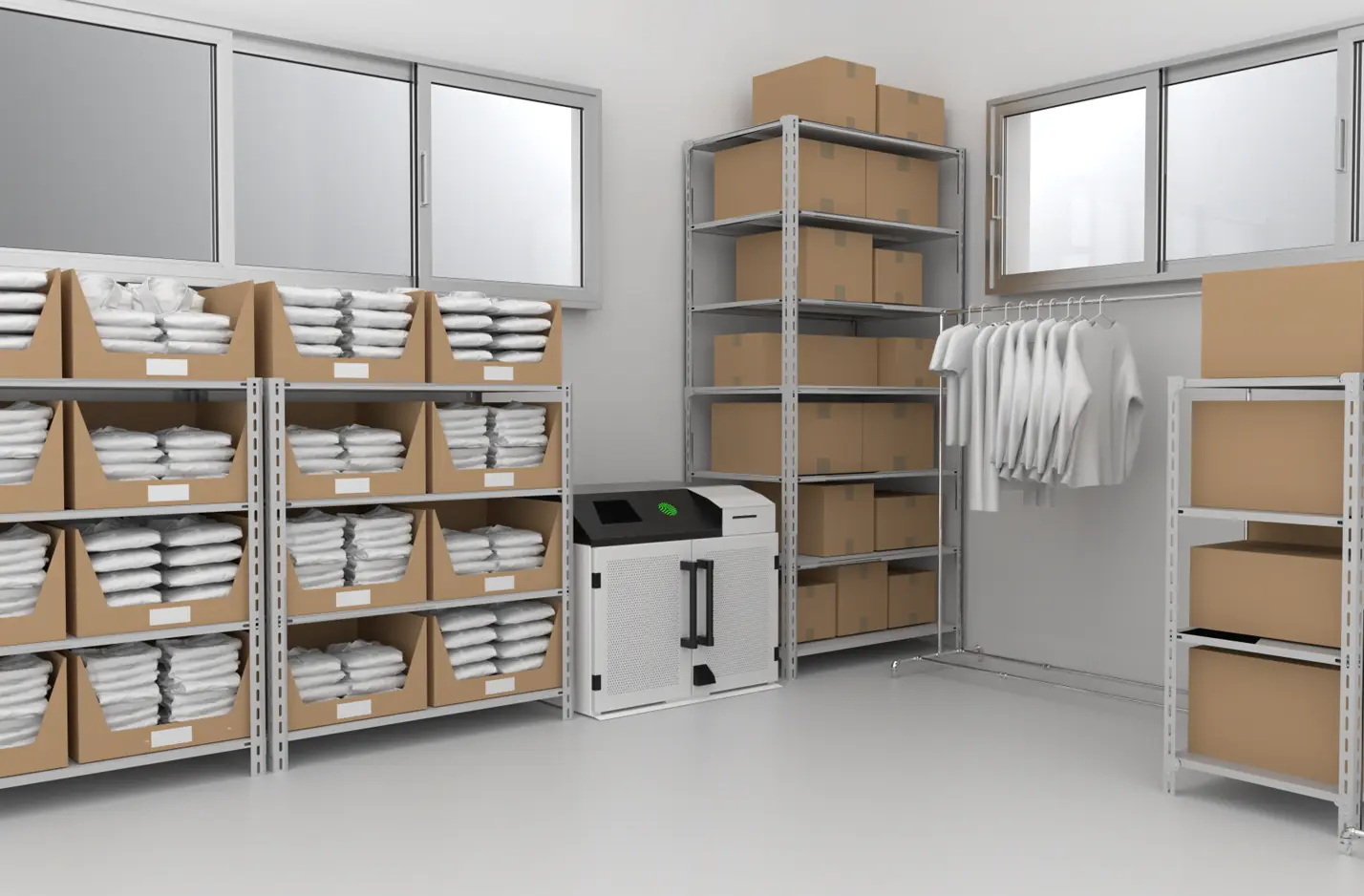
In a context where demand volatility is the norm, the backstore plays a critical role. With the right Clustag RFID Solution, it evolves from a passive storage area into an active logistics node that enables accurate, scalable, and fully traceable store to transfer operations.
Store to store transfer only works at scale when inventory data is trusted, real-time, and validated automatically at item level.
Why Store to Store Transfer Fails in Traditional Backstore Operations
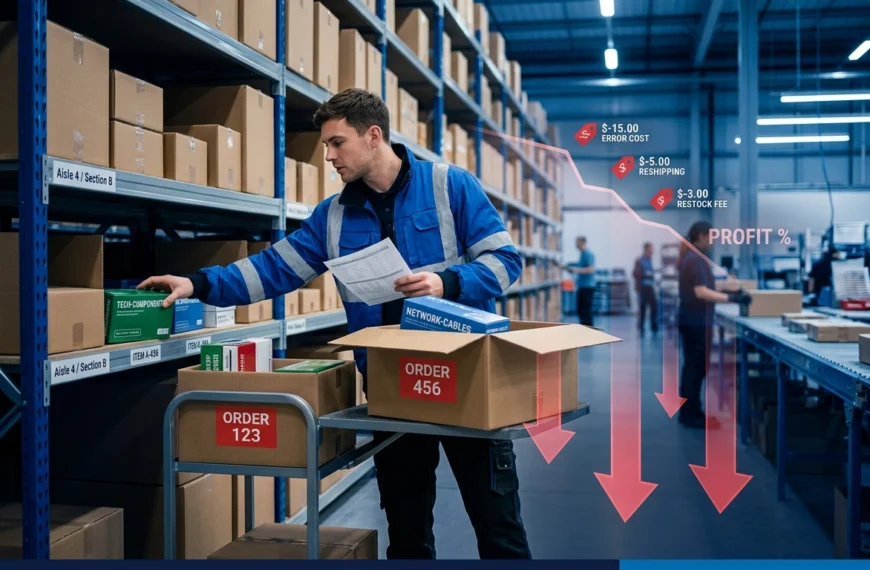
Before RFID, STS transfer processes have typically been manual, reactive, and difficult to control. Compromised store-level inventory accuracy causes even well-designed allocation strategies to break down.
Retailers commonly face structural backstore challenges that directly impact STS execution.
Structural pain points limiting store to store transfer performance
These issues are recurrent across fashion and sporting goods retail:
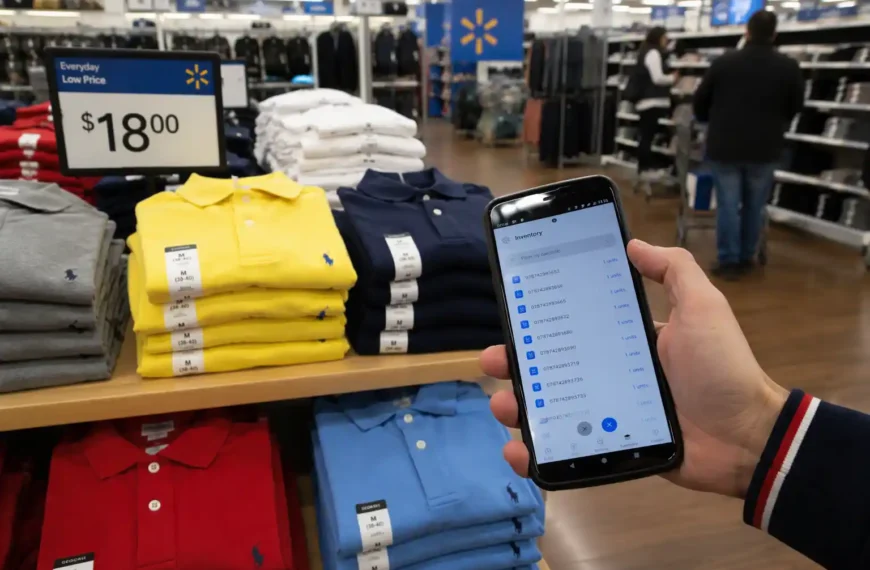
- Phantom inventory at store level that leads to unreliable transfer decisions
- Manual picking and shipping processes with high error rates
- Lack of visibility for items in transit between stores
- Excessive labor time spent on reconciliation and dispute resolution
Without automation and real-time validation, STS becomes a cost center instead of a value driver.
How RFID Transforms STS into a Data-Driven Process
With Clustag RFID Solutions, store to store transfer shifts from a reactive correction mechanism to a proactive, intelligence-led flow. Each item is uniquely identified, and the backstore becomes a reliable, real-time stock pool that feeds transfer decisions with trusted data.
This transformation is not only technological but also operational. RFID removes manual scanning, accelerates execution, and eliminates uncertainty at every step of the STS lifecycle.
RFID-enabled STS in practice
In an RFID-enabled environment, STS follows a predictable and scalable logic:
- We continuously monitor inventory levels and sales velocity at store level.
- The system automatically detects imbalances between stores.
- We generate transfer proposals using real backstore inventory data.
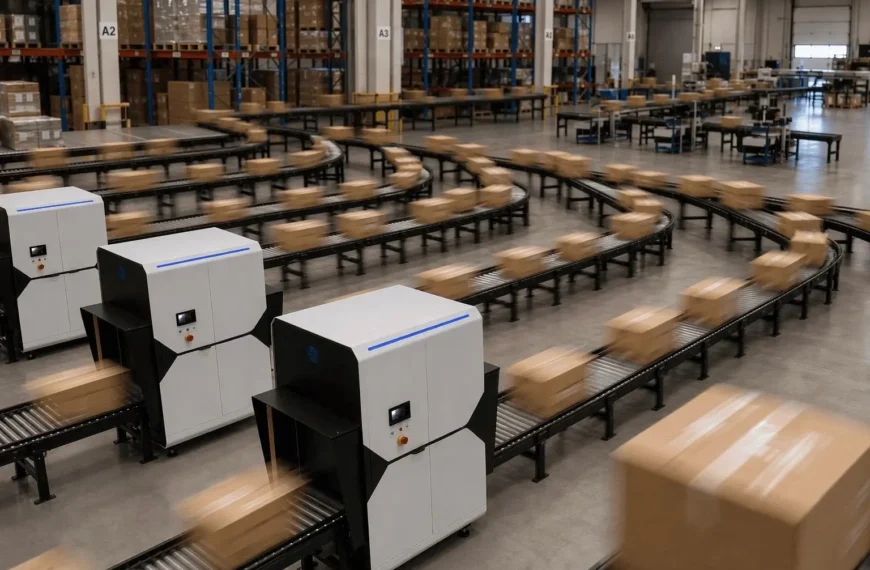
- Picking and outbound validation are executed automatically via RFID portals or shielded stations
- Inbound validation at the receiving store occurs without manual scanning
The result is a closed-loop STS process with full item-level traceability and real-time inventory synchronization across locations.
Business Impact of STS Powered by RFID
When accurate, automated data capture supports store‑to‑store transfers, organizations can clearly measure the operational and financial impact. The following table summarizes the typical outcomes observed when RFID is applied to STS scenarios.
| Operational challenge | Impact with RFID-enabled store to transfer |
|---|---|
| Inventory accuracy gaps | Inventory accuracy above 98% |
| Frequent stock-outs | Stock-out reduction of up to 50% |
| Manual handling effort | Manual handling time reduced by 70% |
| Picking errors | Picking accuracy improved by 80% |
| Excess markdowns | Markdown reduction of up to 30% |
These results demonstrate that STS is not just an operational fix, but a margin-protection mechanism when supported by the right technology.
Accurate store to transfer execution directly translates into fewer markdowns, higher product availability, and lower operational friction.
Why Clustag is Purpose-Built for Store to Store Transfer at Scale
Clustag approaches STS as a system-level capability rather than a standalone use case. Through a co-innovation model, we adapt each deployment to the retailer’s layout, operational constraints, and throughput requirements.
Key enablers include:
- Clustag RFID Solutions for automatic validation of full boxes without manual scanning
- RFID Shield Technology to eliminate cross-reads and ensure clean outbound confirmations
- Seamless integration with ERP, WMS, and OMS ecosystems
- Zentup data intelligence to turn item-level events into actionable transfer decisions
This combination ensures that STS remains fast, accurate, and scalable as store networks grow and demand patterns evolve.
Turning Store to Store Transfer into a Competitive Advantage
Retailers that master store to store transfer gain a structural advantage. They respond faster to local demand, reduce dependency on safety stock, and unlock hidden inventory already present in the network.
At Clustag, we help retailers validate these benefits in real operational conditions. We invite you to experience how STS can be executed with precision using your own products at our Customer Experience Center, or to contact our team to explore how RFID can reshape your backstore operations.