
In modern fashion and apparel logistics, an automated garment-on-hanger tunnel is no longer just a tracking tool. It is a strategic component that connects physical garment flows with digital warehouse operations in real time. As distribution centers increase their level of automation, the ability to capture item-level data without manual intervention becomes essential for achieving operational excellence.
At Clustag, we help organizations transform garment handling processes through our Garment-on-Hanger Tunnel, enabling automatic identification and direct communication with warehouse management systems (WMS). The result is faster operations, fewer errors, and complete traceability across the supply chain.
Real-time garment identification only becomes valuable when data flows automatically to the systems that manage warehouse operations.
Why automated garment handling requires real-time data integration
Automated warehouses depend on accurate and immediate data. Without reliable item identification, even the most advanced conveyor systems can suffer from delays, inventory discrepancies, and operational inefficiencies.
The Garment-on-Hanger Tunnel creates a digital bridge between physical garment movements and warehouse software, ensuring that every item is identified and recorded automatically as it moves through the facility.
How the garment-on-hanger tunnel works
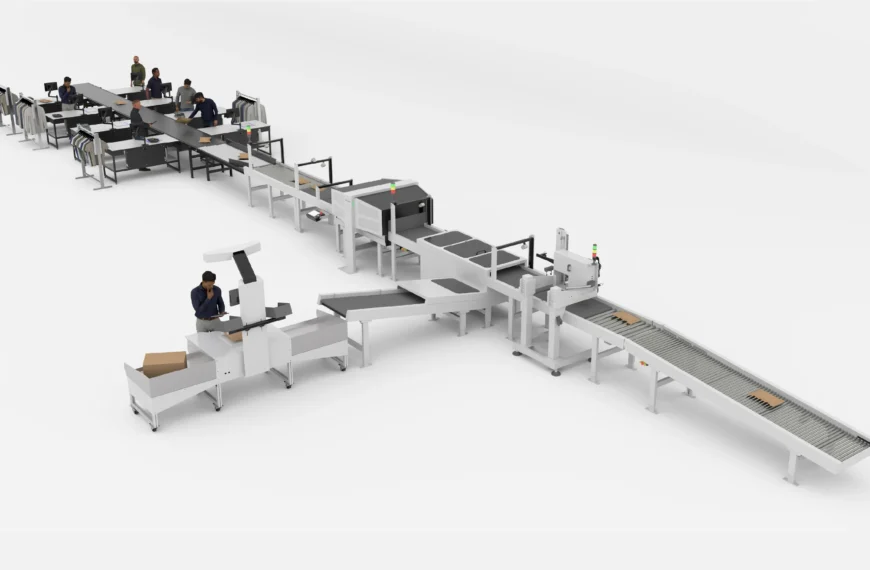
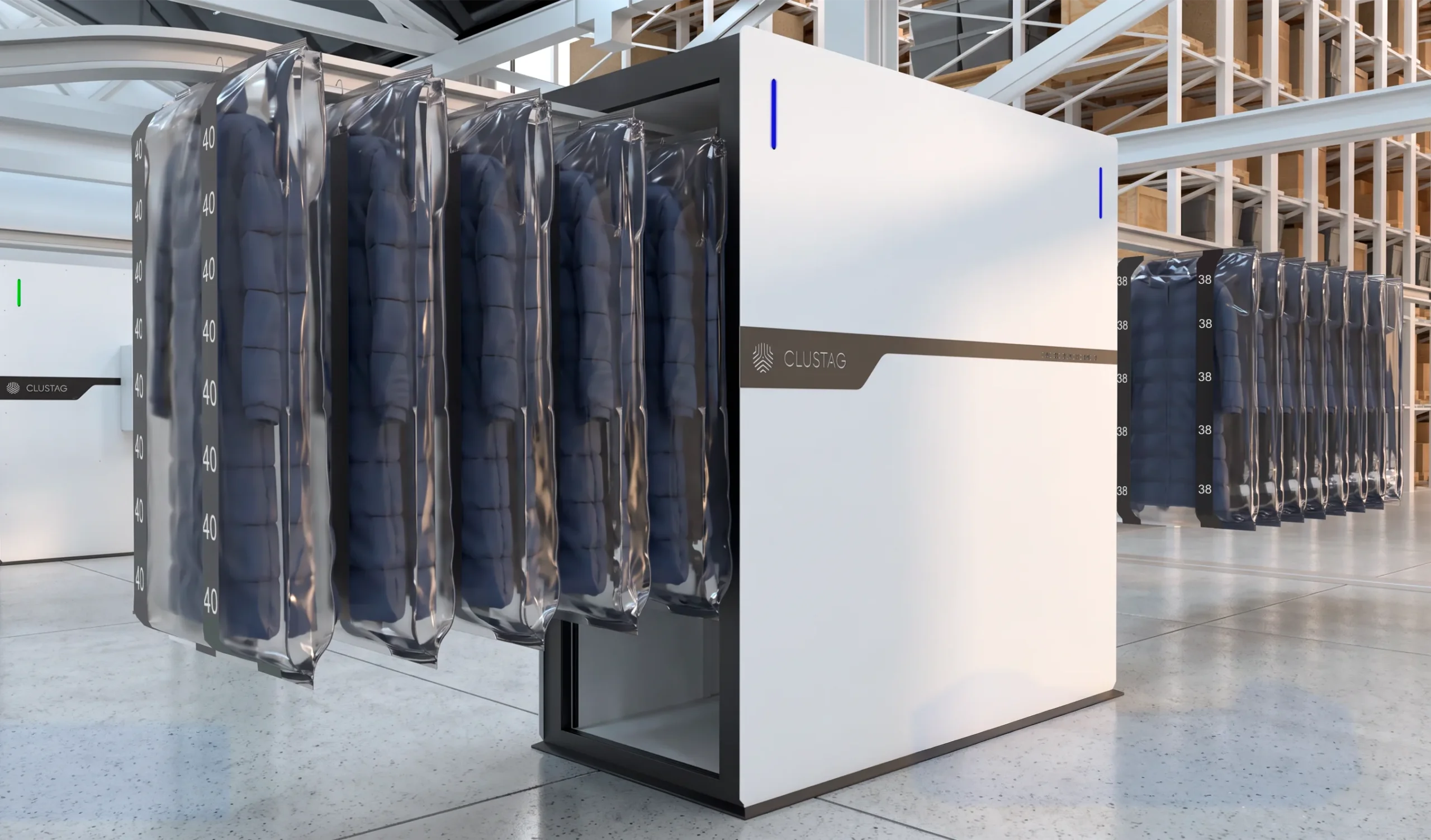
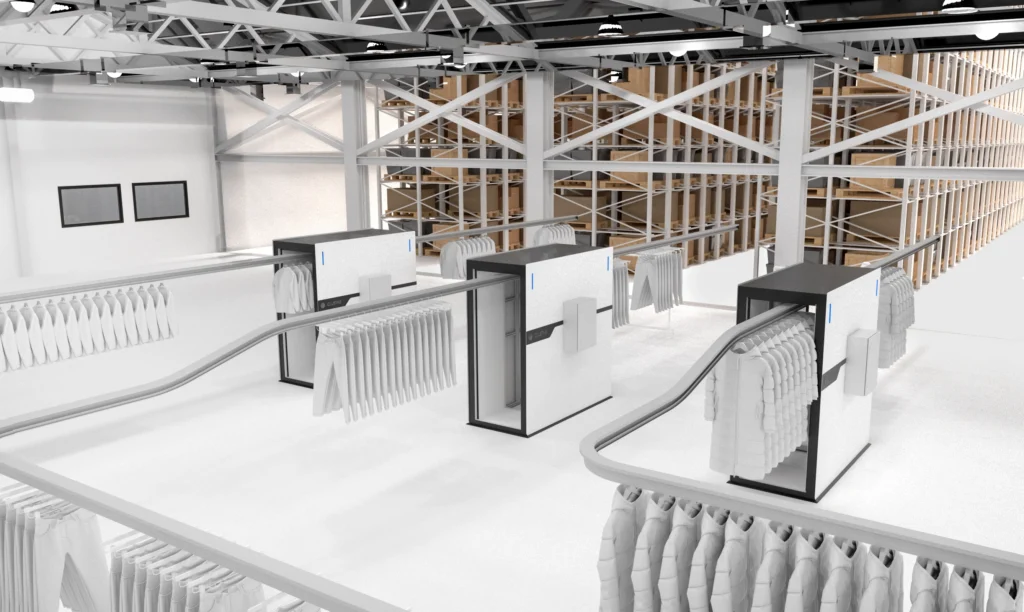
As garments travel through the conveyor system on hangers, RFID tags are captured automatically while passing through the tunnel.
The solution instantly transmits identification data to the warehouse management system, eliminating the need for manual barcode scanning or visual verification.
The workflow typically follows these steps:
- Garments enter the conveyorized tunnel.
- RFID technology captures the unique identity of each item.
- Data is validated and filtered automatically.
- The information is transferred directly to the WMS.
- Warehouse processes are updated in real time.
This continuous flow allows operations teams to maintain complete visibility without interrupting product movement.
Real-time communication with warehouse management systems
One of the most significant advantages of the system is its ability to send data directly to management software.
Rather than relying on batch updates or manual uploads, warehouses gain immediate information about:
- Product location
- Inventory movements
- Shipping status
- Receiving confirmations
- Order processing progress
- Exception management alerts
This creates a synchronized environment where physical and digital inventories remain aligned at all times.
How automated garment data flows improve warehouse performance
The value of RFID identification increases dramatically when integrated into automated workflows. Information becomes actionable the moment a garment is detected.
Organizations can automate decisions, optimize resources, and improve operational agility.
Reduced operational errors
Manual identification processes introduce risks such as:
- Incorrect shipments
- Missing inventory
- Product misclassification
- Human data-entry mistakes
By automating the identification process, the tunnel ensures consistent and reliable data capture.
| Traditional process challenges | Automated garment-on-hanger tunnel solution |
|---|---|
| Manual barcode scanning | Fully automatic RFID identification |
| Human errors | Accurate item-level visibility |
| Delayed inventory updates | Real-time system synchronization |
| Missing garments | Continuous tracking across workflows |
| Duplicate records | Automated data validation |
The reduction in operational errors translates directly into lower business costs and improved customer satisfaction.
Faster processing times
Every manual touchpoint creates delays.
Automated identification allows garments to move continuously through receiving, sorting, storage, and dispatch operations without stopping for scanning procedures.
Key benefits include:
- Faster throughput rates
- Reduced labor requirements
- Higher conveyor efficiency
- Improved shipping performance
- Greater scalability during peak seasons
For large apparel distribution centers, these gains can significantly improve overall warehouse productivity.
Achieving true traceability across the supply chain
Traceability has become a critical requirement for fashion brands, retailers, and logistics providers.
Customers expect visibility, while operators require accurate data to support inventory management and omnichannel fulfillment strategies.
Item-level visibility from entry to dispatch
The Garment-on-Hanger Tunnel enables complete garment tracking throughout the warehouse journey.
Each RFID event generates a digital record linked to the specific item, creating an auditable history of movements and status changes.
This visibility supports:
- Inventory accuracy
- Process validation
- Compliance requirements
- Loss prevention initiatives
- Performance monitoring
The result is genuine traceability rather than periodic inventory snapshots.
Reliable RFID performance in demanding environments
Automated garment operations require highly reliable RFID reading performance. Conveyor speeds, garment density, and metallic infrastructure can interfere with traditional RFID deployments.
This is where Clustag RFID Solutions and RFID Shield Technology play an essential role.
By combining specialized RFID engineering with shielding technologies that mitigate stray reads, warehouses can ensure:
- Higher read accuracy
- Reduced false positives
- Controlled reading zones
- Consistent system performance
- Better operational confidence
These capabilities are particularly important in highly automated environments where decisions are made automatically based on captured data.
Turning operational data into business intelligence
Collecting data is only the first step. Organizations create value when that information becomes actionable intelligence.
As garment movements are recorded throughout the operation, businesses gain access to performance metrics that support continuous improvement.
Using Zentup to transform operational data into insights
Through Zentup, organizations can convert RFID-generated events into actionable business intelligence.
Warehouse managers can analyze:
- Inventory movements
- Process bottlenecks
- Throughput performance
- Order fulfillment efficiency
- Traceability records
- Resource utilization
This level of visibility enables data-driven decision-making and helps organizations identify opportunities for operational optimization.
Strategic benefits for the business
The integration of automated garment identification with warehouse management software delivers benefits beyond the warehouse floor.
Key business outcomes include:
- Lower costs associated with operational errors
- Faster processing and fulfillment times
- Improved inventory accuracy
- Real-time visibility across operations
- Greater scalability for growing volumes
- Enhanced customer service performance
- True end-to-end traceability
These advantages help fashion brands and logistics providers remain competitive in increasingly demanding supply chains.
Why the garment-on-hanger tunnel is becoming essential for automated logistics
As apparel distribution centers continue their automation journey, manual identification processes become a major operational constraint.
The Garment-on-Hanger Tunnel eliminates this limitation by connecting physical garment movements directly with warehouse software in real time. The result is a warehouse ecosystem where data flows automatically, decisions happen faster, and operations become more efficient and reliable.
For organizations seeking to improve traceability, reduce operational costs, and increase warehouse productivity, this technology provides a proven path toward smarter logistics.
If you would like to see how the solution performs with your own products and workflows, we invite you to contact our team or visit our Customer Experience Center to test real-world garment-on-hanger automation scenarios.
Frequently asked questions
What is a garment-on-hanger tunnel?
A garment-on-hanger tunnel is an automated RFID identification system that reads garments moving on conveyors and transfers data directly to warehouse management software.
How does the tunnel communicate with a WMS?
The system captures RFID information in real time and automatically transmits validated data to the warehouse management system, keeping inventory records updated.
What are the main benefits of automated garment identification?
Organizations benefit from reduced errors, improved efficiency, faster processing times, better inventory accuracy, and complete traceability.
Can the solution operate in highly automated warehouses?
Yes. The tunnel is designed specifically for automated material handling environments where garments move continuously through conveyor systems.
How does RFID improve garment traceability?
Each tagged garment receives a unique digital identity, allowing every movement to be recorded and tracked throughout warehouse operations.
What role does RFID Shield Technology play?
RFID Shield Technology helps mitigate stray reads and improve reading accuracy in complex environments, ensuring more reliable data capture.
How does Zentup enhance warehouse operations?
Zentup converts operational RFID data into actionable intelligence, helping organizations monitor performance, identify bottlenecks, and optimize workflows.
Is the solution suitable for fashion retailers and logistics providers?
Yes. The technology is ideal for apparel brands, fashion retailers, distribution centers, and third-party logistics providers managing garment-on-hanger operations.