
RFID retail store inventory becomes the decisive factor when World Cup demand hits physical stores at full intensity. During these peaks, customers are not browsing; they are searching for a specific jersey, a specific player, and a specific size, and they expect it immediately.
For ecosystems shaped by brands like Nike, Adidas, and Puma, and retailers such as JD Sports, stores must operate with absolute precision. Every stock discrepancy translates directly into a lost sale. When demand concentrates at SKU and size level, real-time visibility becomes the difference between conversion and missed opportunity.
Peak season is not about having more stock. It is about knowing exactly where it is inside the store, at every moment.
How RFID retail store inventory changes peak season store operations
Physical stores are now active nodes within a connected retail network. They support fulfillment, returns, and real-time demand response, especially during global sporting events. As foot traffic increases and products move continuously between the sales floor and stockroom, operational complexity rises sharply.
Without accurate inventory, stores operate reactively. With RFID retail store inventory, they operate with control. At Clustag, we enable store teams to move from manual processes to real-time decision-making, supported by continuous item-level visibility.
Real-Time Store Inventory Visibility During Peak Demand
RFID retail store inventory provides a live view of stock at SKU and size level, which is critical in sports retail environments where demand is highly specific and constantly shifting.
Through our co-innovative approach, combining different RFID solutions tailored to each retailer’s needs:
- Store staff can identify exactly what is available in real time.
- Inventory checks can be completed instantly without interrupting operations.
- Stock accuracy is maintained throughout the day, not only after store closing.
The difference between having stock and selling stock is knowing exactly where it is, at the right moment
Managing size-level demand with RFID retail store inventory
Peak World Cup demand does not occur at category level. It occurs at the most granular level: size. Customers are not searching for a generic product. They are looking for a very specific combination:
- Team jersey
- Player name
- Exact size
This creates micro-demand peaks within each SKU.
Without RFID retail store inventory:
- Systems may show availability, but store teams cannot locate the correct size
- Staff spend valuable time searching instead of serving
- Customers leave due to frustration
With RFID:
- Items are located instantly within the store
- Size availability is accurate and visible
- Store teams respond faster and more effectively
This directly improves conversion at the most critical moment.
The shift from traditional processes to RFID-enabled operations is clear when comparing core store activities:
| Operational challenge | Traditional store | RFID with Clustag |
|---|---|---|
| Stock visibility | Periodic and manual | Real-time and item-level |
| Size availability | Uncertain | Accurate and immediate |
| Transfers | Slow and manual | Fast and validated |
| Returns | Delayed | Instant restocking |
| Omnichannel | Fragmented | Fully connected |
Connecting stores across the network
No single store can satisfy all demand during peak moments. Inventory must flow across the store network.
RFID enables:
- Immediate visibility of stock across stores
- Faster decision-making on transfers
- Automatic validation of shipments
This transforms stores into a connected system, not isolated locations.
Integrating store, DC, and e-commerce inventory
Customers expect a seamless experience across all channels. They do not differentiate between store and online stock.
RFID retail store inventory connects:
- In-store availability
- Distribution center stock
- E-commerce visibility
This enables:
- Reliable click and collect
- Ship-from-store operations
- Faster store replenishment
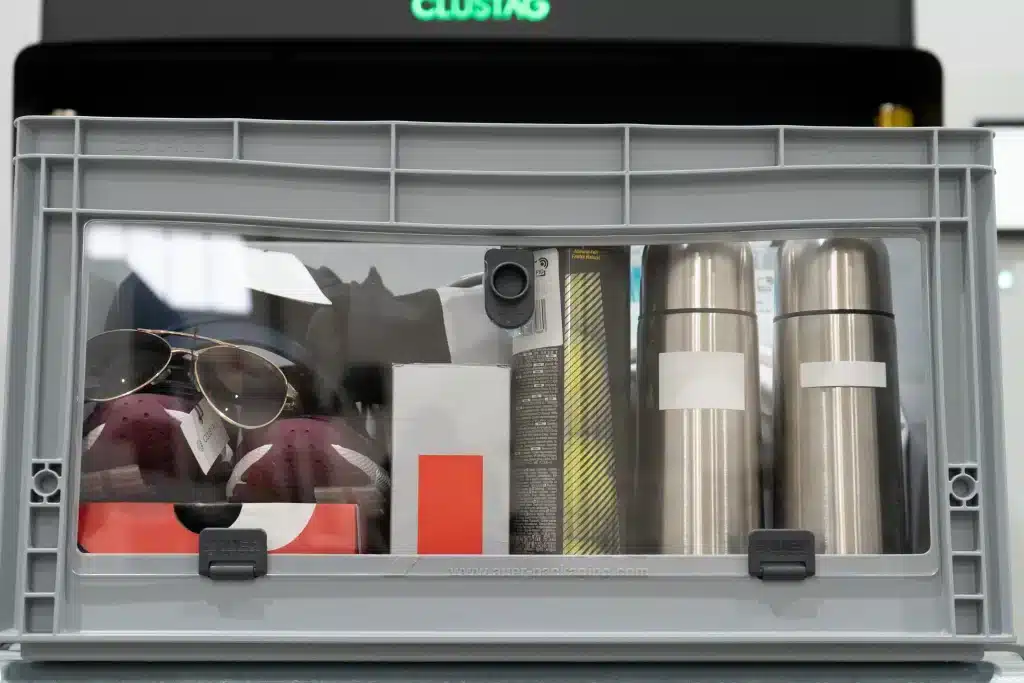
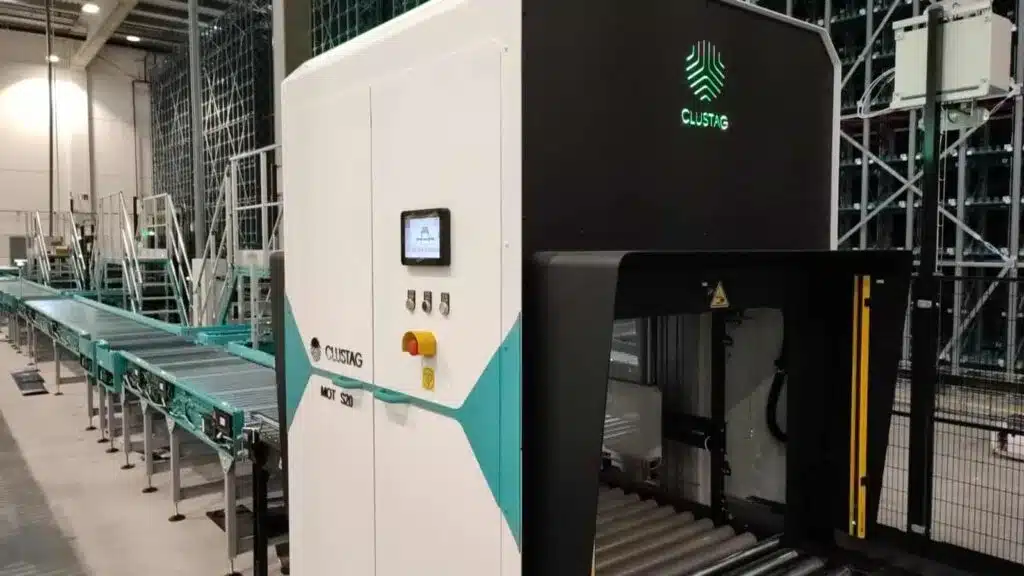
In our deployments with a major Nike distributor in Europe, RFID tunnel technology is used at post-picking stages to verify shipments automatically at item level. This ensures store replenishment arrives accurate and ready to sell during peak demand.
Faster returns and immediate restocking in store
Returns increase during World Cup events, especially due to size exchanges.
Without automation:
- Items remain in backroom for too long
- Stock is not available for resale
- Inventory accuracy drops
With RFID retail store inventory:
- Returned items are identified instantly
- Products are validated automatically
- Items return to the sales floor immediately
This ensures that products are still sold while demand exists.
Building a store-first peak season strategy
To operate effectively during global sporting events, retailers should focus on:
- Implementing item-level RFID tagging at source
- Enabling real-time store inventory visibility
- Connecting store, DC, and e-commerce operations
- Activating store-to-store transfer workflows
- Automating returns and restocking
We explore similar challenges in other peak periods such as Black Friday and seasonal sales in our related peak season articles, helping retailers build a consistent strategy across demand cycles.
Experience peak performance in your stores
Peak season is a real-time test of store operations. Retailers that succeed are those that operate with accuracy, speed, and full visibility. We invite you to visit our Customer Experience Center or contact our team to test your own products in a real RFID-enabled environment.